
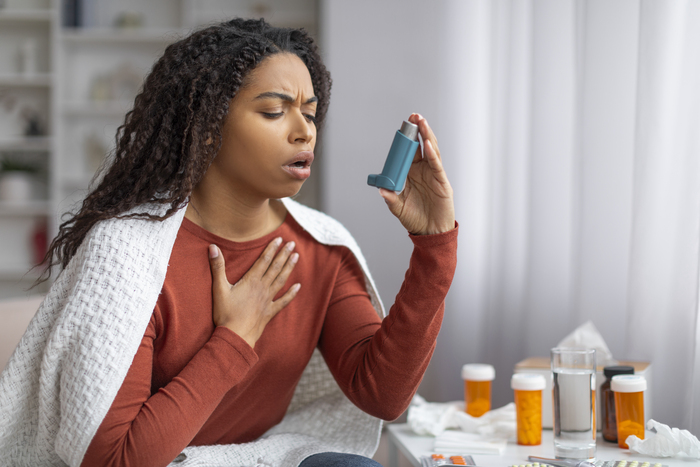
Winter aggravates bronchial asthma due to cold air, pollution, and indoor triggers. Learn prevention, symptoms, and safety tips for 2026.
Winter generally comes silently, but its effects on health can be significant. As temperatures drop, seasonal ailments like colds, flu, joint discomfort, skin dryness, and respiratory disorders become more common. For many people, winter is more than just heavier clothing and fewer days; it is a season that puts additional strain on the lungs and immune system. Among the conditions that tend to worsen during this period, bronchial asthma is one of the most susceptible to cold weather and environmental changes.
What is Bronchial Asthma?
Bronchial asthma is a chronic inflammatory illness affecting the airways of the lungs. People with asthma have extremely sensitive bronchial passages. When exposed to specific triggers, these airways become inflamed, swollen, and narrowed. At the same time, extra mucus is created, which further restricts airflow.
This combination makes breathing difficult and causes repeated symptoms including wheezing, shortness, chest tightness, and persistent coughing, which is usually worst at night or in the early morning. The strength of symptoms can vary greatly. While some people have minor pain, others may suffer severe attacks necessitating immediate medical attention.
Also read: Shukra Pradosh Vrat January 2026: Dates, Timings, and Puja Vidhi for Lord Shiv
Why Winter Is a Special Challenge for Asthmatic Patients
Cold weather does not cause asthma, but it does play an important role in provoking flare-ups. One of the primary causes is how the airways respond to cold, dry air. When inhaled, cold air can irritate the bronchial passages, causing the muscles around them to constrict instinctively. This reaction is generally more severe in those with asthma, resulting in abrupt breathing difficulties.
Winter also brings a significant increase in air pollution, especially in northern India. Temperature inversion, automobile emissions, and biomass burning trap dangerous particulate matter near the ground. These small contaminants penetrate deep into the lungs, exacerbating airway inflammation and raising the likelihood of an asthma attack.
Indoor exposure: An Overlooked Winter Trigger.
As temperatures drop, people naturally spend more time indoors. While this protects against the cold, it may increase exposure to indoor asthma triggers. Dust mites, mould, pet dander, and other indoor air pollutants become more concentrated in enclosed places, particularly when ventilation is inadequate.
Indoor heating and restricted ventilation can worsen air quality, making it difficult for sensitive airways to recuperate. For asthma sufferers, continual exposure might result in persistent symptoms and poor overall control of the condition.
Who is at greater risk throughout the winter?
Asthma affects people differently. Certain categories of people are especially susceptible to symptom worsening throughout the winter. Older adults and children, as well as anyone with uncontrolled asthma, are especially vulnerable. Those who live in heavily polluted locations or have other respiratory or heart issues may experience more frequent or severe exacerbations during the winter months.
Preventing Winter Asthma Flare-ups
Although winter brings particular challenges, asthma attacks are not unavoidable. The consistent use of prescription inhaled medicines remains the foundation of asthma management. Simple precautions, such as covering the nose and mouth when outside, can help warm the air before it enters the lungs.
Monitoring air quality and avoiding outdoor exposure on very polluted days can help reduce trigger exposure. Influenza vaccination is useful in preventing illnesses that would otherwise cause asthma episodes. Indoors, maintaining cleanliness, avoiding dust accumulation, and ensuring sufficient ventilation can all help to improve breathing comfort.
Recognizing early warning indicators is also crucial. Seeking medical attention as soon as symptoms increase can help avoid modest flare-ups from becoming medical catastrophes.
(disclaimer : Readers are encouraged to exercise discretion and make informed decisions. India This Week (ITW) does not endorse, promote, or guarantee any specific recommendation. The information provided is for general awareness only and should not be considered a substitute for professional consultation. Always seek advice from a qualified expert.)