
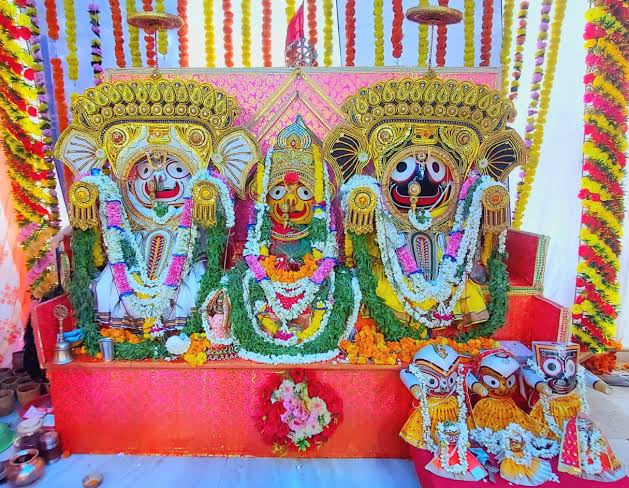
New Delhi: As preparations for the annual Rath Yatra gather momentum, Snana Purnima at Jagannath Temple continues to draw the attention of devotees and spiritual seekers from across the country. Celebrated on the full moon day (Purnima) of the Hindu month of Jyeshtha, this centuries-old ritual marks one of the most significant public ceremonies associated with Lord Jagannath.
During Snana Purnima at Jagannath Temple, the deities—Lord Jagannath, Lord Balabhadra, Goddess Subhadra, and Sudarshan Chakra—are brought out from the sanctum and placed on the sacred Snana Mandap, where devotees receive a rare opportunity to witness their ceremonial bathing before the grand Rath Yatra.
Why Are 108 Pots of Water Used?
One of the most fascinating aspects of Snana Purnima at Jagannath Temple is the use of exactly 108 sacred kalashas (pots) filled with holy water. The water is drawn exclusively from the temple’s revered Suna Kua (Golden Well), which is opened only once every year for this special occasion.
The number 108 holds immense spiritual significance in Hindu tradition. It symbolizes completeness, divine energy, and the connection between the individual soul and the universe. The number is deeply rooted in Hindu practices, including the 108 beads of the Japa Mala, the chanting of 108 mantras, and the 108 names of various deities. Using 108 pots during the ritual is believed to invoke divine blessings, spiritual purification, and cosmic harmony.
Sacred Water Prepared Through Vedic Rituals
Before the ceremonial bath begins, the water collected from the Golden Well undergoes a detailed purification process. Temple priests chant Vedic mantras to sanctify the water before mixing it with fragrant herbs and sacred substances.
Only authorized temple servitors are permitted to perform this ancient ritual, ensuring that long-standing traditions and religious customs are strictly observed.
Why Do the Deities Go Into Seclusion?
Following the elaborate bathing ceremony, tradition holds that Lord Jagannath and the sibling deities develop a symbolic fever. They are then moved to the Anasara Ghar, a private chamber where they remain away from public view for nearly 15 days.
Also read : Numerology Horoscope Today: What Your Lucky Number Reveals About Your Day
During this period, priests offer herbal medicines, light meals, and Ayurvedic treatments, symbolizing the deities’ recovery. This unique belief highlights the human-like qualities attributed to the divine, strengthening the emotional connection between devotees and the deities.
Connection With the Rath Yatra
The conclusion of the Anasara period is marked by Nava Jaubana Darshan, when devotees receive the first glimpse of the rejuvenated deities. Shortly afterward begins the world-renowned Jagannath Rath Yatra, during which Lord Jagannath, Lord Balabhadra, and Goddess Subhadra embark on their annual chariot procession to the Gundicha Temple.
For devotees, Snana Purnima at Jagannath Temple serves as the spiritual gateway to the Rath Yatra, making it one of the most awaited religious events of the year.
Spiritual Significance
Beyond its grandeur, Snana Purnima at Jagannath Temple represents purification, renewal, and unwavering devotion. The ritual of bathing the deities with 108 sacred pots reminds devotees of the importance of cleansing the mind and soul, while the subsequent period of rest symbolizes healing, compassion, and the divine’s closeness to humanity.
Every year, millions of devotees consider witnessing this sacred ritual a blessing, beginning their spiritual journey toward the magnificent Rath Yatra and reaffirming their faith in Lord Jagannath’s timeless traditions.