
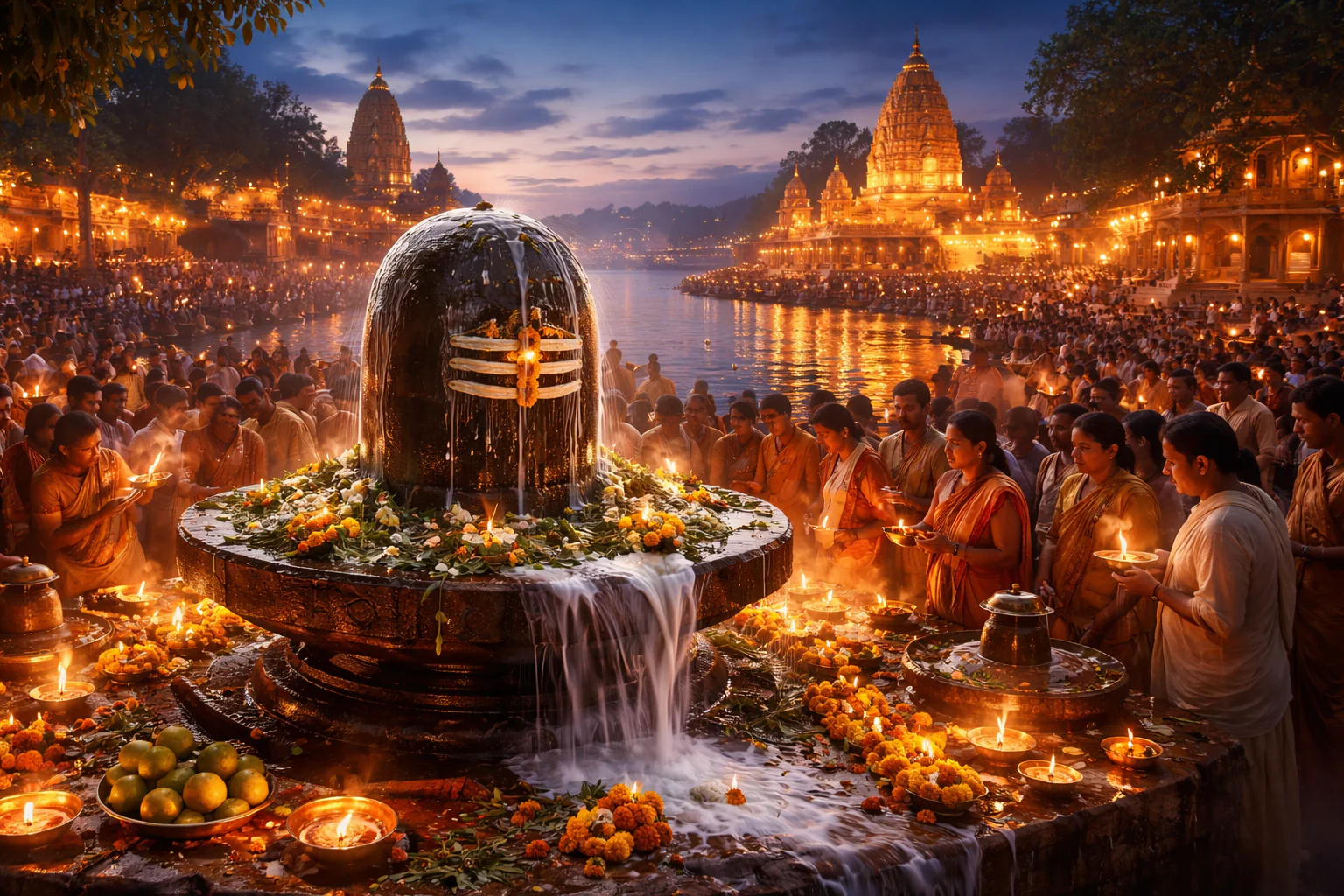
This year, Maha Shivratri coincides with a rare astrological event, as the shadow of Bhadra will last for nearly 12 hours on February 15. Traditionally seen as inauspicious, Bhadra is believed to restrict ceremonial and religious activities. However, astrologers note that since Bhadra will be positioned in Patal Lok (the netherworld), it will not affect Earth, allowing devotees to perform Shiv worship and Jalabhishek without hindrance.
Bhadra Timings
Bhadra is set to begin at 5:04 PM on February 15 and will end at 5:23 AM on February 16. Despite spanning about 12 hours, its placement in Patal Lok ensures that rituals remain safe and effective.
Auspicious Muhurats for Shiv Puja
Morning Muhurats
-
Char: 8:24 AM – 9:48 AM
-
Labh: 9:48 AM – 11:11 AM
-
Amrit: 11:11 AM – 12:35 PM
Evening Muhurats
-
Shubh: 6:11 PM – 7:47 PM
-
Amrit: 7:47 PM – 9:23 PM
-
Char: 9:23 PM – 10:59 PM
These time slots are considered ideal for performing Jalabhishek and other sacred rituals dedicated to Lord Shiv.
Also read : Chocolate Day 2026: Sweet Messages, Wishes, and Ways to Celebrate Love
Special Yogas on Maha Shivratri
Maha Shivratri 2026 is further amplified by the presence of multiple auspicious yogas, including Shiv Yoga, Ayushman Yoga, Saubhagya Yoga, Sarvartha Siddhi Yoga, Preeti Yoga, Sadhya Yoga, Shukla Yoga, Dhruva Yoga, Vyatipata Yoga, Shobhan Yoga, and Variyan Yoga, making the night particularly spiritually potent.
Shiv Puja Vidhi
Devotees are encouraged to spend the day in meditation and silence, focusing on Lord Shiv. During the evening, they should visit a temple, sit facing east or north, and perform the puja. The Shivling should be bathed with Ganga water, milk, curd, ghee, honey, and sugar, while offerings like dhatura, madar flowers, belpatra, sandalwood, and rice grains are made. Devotees should chant “Om Namah Shivaya” 108 times, and observing a full-day fast—especially without water—is highly meritorious.
Spiritual Significance
Maha Shivratri’s four prahars (quarters of the night) symbolize the attainment of the four goals of life: Dharma (righteousness), Artha (prosperity), Kama (desires), and Moksha (liberation). Despite the heightened presence of negative energies at night, devotees’ spiritual practices under Lord Shiv’s guidance offer protection, purification, and divine blessings.