
New Delh – In Hindu traditions, timing plays a crucial role in planning life events. The period of Kharmas 2026 is observed as a phase when auspicious activities like weddings, housewarmings, naming ceremonies, and starting new ventures are traditionally avoided.
When Kharmas 2026 Ends
This year, Kharmas 2026 will conclude on April 14, when the Sun enters Aries. From April 15 onwards, the period of inauspiciousness ends, and families can resume planning significant life events such as marriages, mundan ceremonies, property purchases, and business launches.
Why Auspicious Work is Avoided During Kharmas
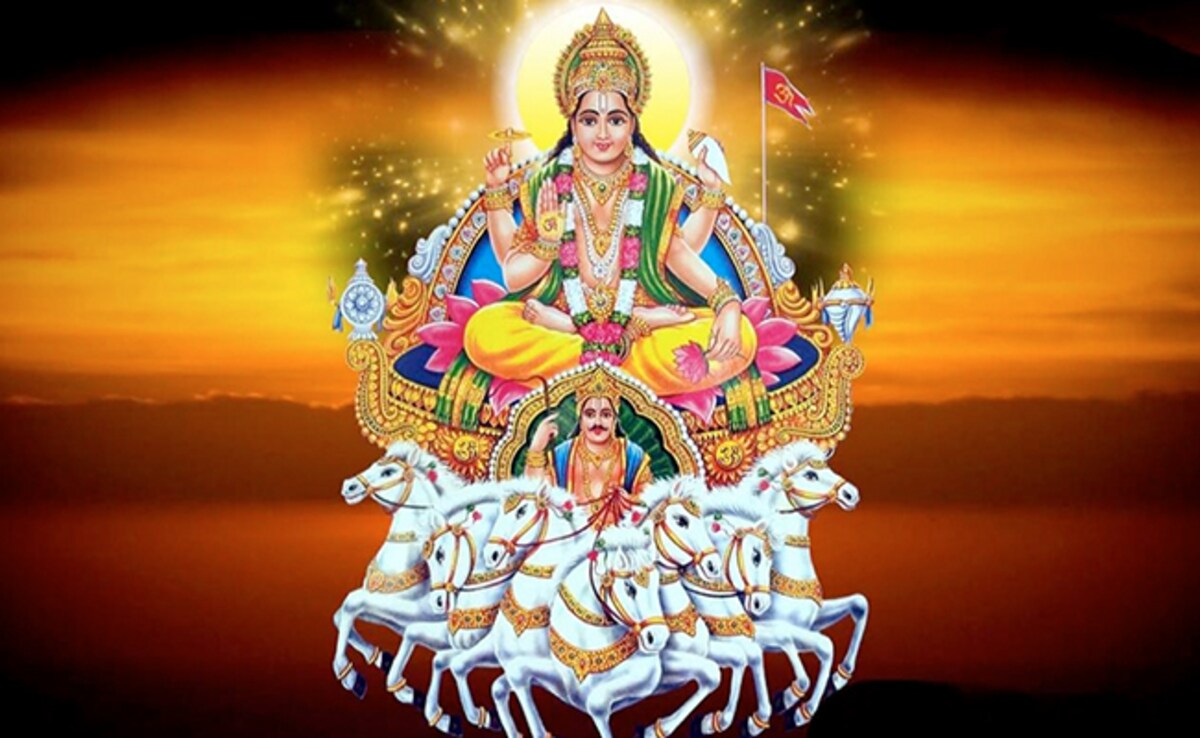
Astrological beliefs underpin the observance of Kharmas 2026. When the Sun is in Sagittarius or Pisces, its influence is considered slightly weakened. In Hindu astrology, the Sun represents strength, authority, and the paternal aspect. Therefore, performing important activities during Kharmas 2026 is avoided to ensure favourable outcomes.
Also read : Easter 2026: Significance, Traditions, and Celebrations Explained
During this period, people generally refrain from:
- Weddings and engagements
- Housewarming ceremonies
- Naming rituals and mundan
- Starting new businesses
- Buying property or major purchases
Auspicious Dates After Kharmas 2026
Once Kharmas 2026 ends, several dates in April are considered ideal for important ceremonies:
Wedding dates: April 15, 20, 21, 25, 26, 27, 28, 29
Housewarming muhurat: April 21
These dates are preferred for initiating new beginnings, reflecting the traditional wisdom of timing activities in harmony with celestial phases.
The Significance of Kharmas 2026
Rather than being a restriction, Kharmas 2026 is about pausing briefly and planning mindfully. It allows families to wait for a more favourable phase, ensuring that their life events are carried out under auspicious conditions.