
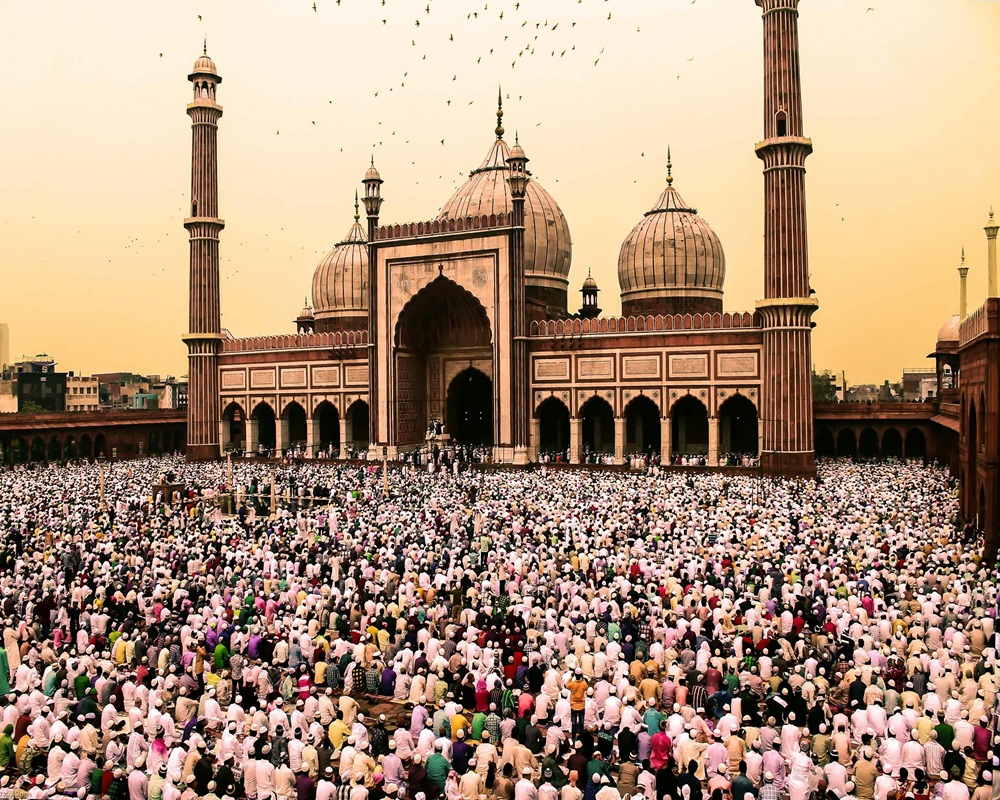
NEW DELHI : The auspicious occasion of Eid-ul-Fitr 2026 has arrived, bringing a wave of joy and spiritual renewal across India. On Saturday, March 21, millions of citizens gathered at historic mosques and local idgahs to offer special prayers. This festival marks the conclusion of the holy month of Ramadan, a period dedicated to fasting, prayer, and deep reflection. As the Shawwal crescent moon appeared, the nation transitioned from the discipline of the fast to the festivities of the feast.
National Leaders Call for Unity and Compassion
President Droupadi Murmu and Prime Minister Narendra Modi led the nation in extending warm greetings to the public. In her message, President Murmu highlighted the core values of the festival. She noted that Eid-ul-Fitr imparts essential lessons in self-restraint and service. Moreover, she urged citizens to resolve to strengthen the social fabric of the country. She specifically emphasized the importance of compassion for the underprivileged sections of society.
ईद-उल-फ़ित्र के मुबारक मौके पर सभी देशवासियों, विशेषकर मुस्लिम बहनों और भाइयों को हार्दिक बधाई। यह त्योहार आत्मसंयम, सेवा, परोपकार एवं वंचित वर्गों के प्रति दया का भाव रखने की सीख देता है। आइए इस अवसर पर हम समाज और राष्ट्र को मजबूत बनाने का संकल्प लें।
— President of India (@rashtrapatibhvn) March 21, 2026
Prime Minister Narendra Modi also shared his best wishes through a heartfelt message. He prayed for the well-being and health of every citizen. Additionally, the Prime Minister expressed his hope that this day would further the spirit of brotherhood and kindness across all communities. His message resonated with the traditional theme of “Sabka Saath, Sabka Vikas,” emphasizing a peaceful and prosperous co-existence.
Best wishes on Eid-ul-Fitr. May this day further brotherhood and kindness all around. May everyone be happy and healthy.
Eid Mubarak!
— Narendra Modi (@narendramodi) March 21, 2026
Festive Fervor Grips the Nation
The atmosphere across Indian cities is electric. In Delhi, thousands of devotees gathered at the iconic Jama Masjid early Saturday morning. Similar scenes were witnessed in Mumbai, Hyderabad, and Lucknow, where the streets were adorned with lights. Furthermore, the night before, known as “Chand Raat,” saw bustling markets as families made final purchases of sweets, new clothes, and gifts.
Read More : Chaitra Navratri Day 3: Devotees Worship Goddess Chandraghanta for Strength and Courage
Traditional delicacies remain at the heart of the Eid-ul-Fitr 2026 celebrations. Families are busy preparing ‘Sheer Khurma’ and ‘Sewaiyan’ to share with neighbors and friends. This cultural exchange beautifully showcases India’s pluralistic identity. Moreover, the practice of “Zakat al-Fitr” or mandatory charity ensures that the joys of the festival reach those in need.
The Significance of the Lunar Calendar
The timing of the festival depends entirely on the lunar cycle. This year, while parts of the Middle East celebrated on Friday, most of India observed the festival on Saturday, March 21. This variation occurs because the Islamic calendar follows the sighting of the crescent moon. Consequently, the moon sighting committees in different regions provide the final confirmation for the start of the month of Shawwal.
#WATCH | People offer namaz at Jama Masjid in Delhi, on the occasion of Eid-ul-Fitr 2026#EidUlFitr #Eid2026 #JamaMasjid #Delhi pic.twitter.com/qIsSNxHAbE
— DD News (@DDNewslive) March 21, 2026
Despite the differing dates, the essence of the festival remains universal. It is a time of gratitude and togetherness. Families gather to seek blessings from elders and distribute “Eidi” (festive money) to children. These traditions continue to pass from one generation to the next, preserving the cultural heritage of the nation.
Multimedia Suggestions