
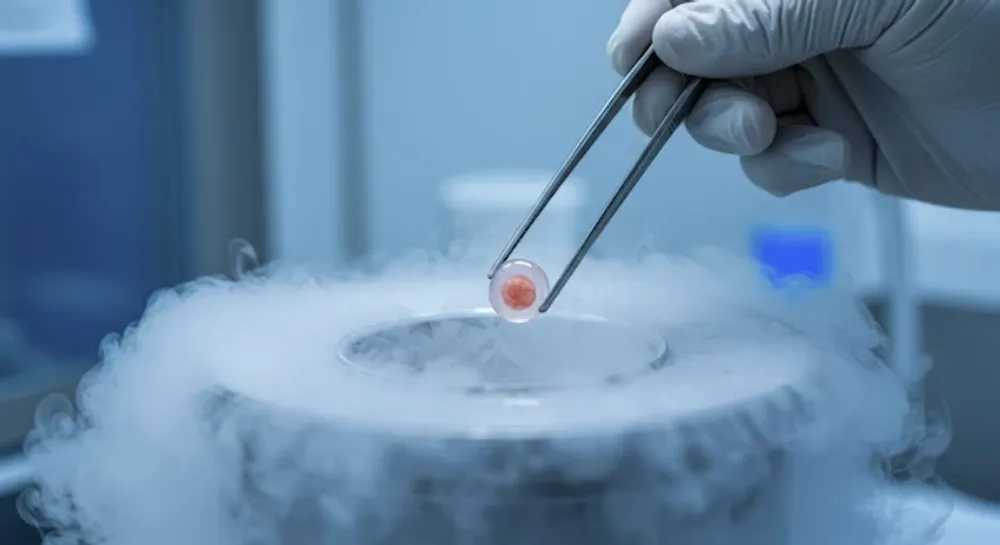
Egg Freezing Process: In today’s fast-paced world, women’s priorities are rapidly evolving. Between education, career growth, and financial stability, the decision to become a mother is often delayed. However, the body follows its own biological clock, which changes with time. This is where modern medical advancements have introduced egg freezing process as a practical option. In recent years, especially in urban India, awareness and interest in the egg freezing process have grown significantly, with more women considering it as part of their future planning.
What Is Egg Freezing?
The egg freezing process, medically known as Oocyte Cryopreservation, involves extracting a woman’s eggs and preserving them at extremely low temperatures. These eggs can later be used when the woman is ready to conceive. The main goal of the egg freezing process is to maintain the current quality of eggs, preventing age-related decline in fertility.
How Does the Egg Freezing Process Work?
The egg freezing process begins with a consultation with a fertility specialist. After evaluation, hormonal medications are prescribed for a few days to stimulate the ovaries and increase egg production.
Once the eggs mature, they are retrieved through a minor medical procedure. This step is usually done under mild sedation. After retrieval, the eggs are frozen using advanced techniques and stored safely for future use.
Is the Egg Freezing Process Painful?
The egg freezing process is generally considered safe and not painful. However, due to hormonal medications, some women may experience temporary side effects such as bloating, mood swings, headaches, or fatigue.
Also read : Instagram Updates Content Policy to Boost Original Creators and Limit Reposted Content Reach
After the egg retrieval procedure, mild discomfort or slight pain can occur, but it usually subsides within a short time. Serious complications are rare. According to experts, the ideal age for the egg freezing process is between 30 and 34 years, when both the quality and quantity of eggs are optimal. After 35, fertility naturally begins to decline, which may affect success rates.
Why Is Egg Freezing Becoming Popular?
The rising popularity of the egg freezing process is closely linked to changing lifestyles. Many women today choose to delay marriage or motherhood due to career or personal goals. Additionally, certain medical conditions such as cancer or hormonal disorders make this option more relevant.
As awareness increases, especially in metropolitan cities, more women are exploring this technology as a proactive fertility choice. The cost of the egg freezing process can vary depending on the clinic and city, typically ranging between ₹1 lakh to ₹2.5 lakh per cycle. There is also an additional annual fee for storing the frozen eggs.
The egg freezing process offers flexibility and reassurance to women planning their future. While it does not guarantee pregnancy, it provides an opportunity to preserve fertility and make informed choices about motherhood at the right time.