
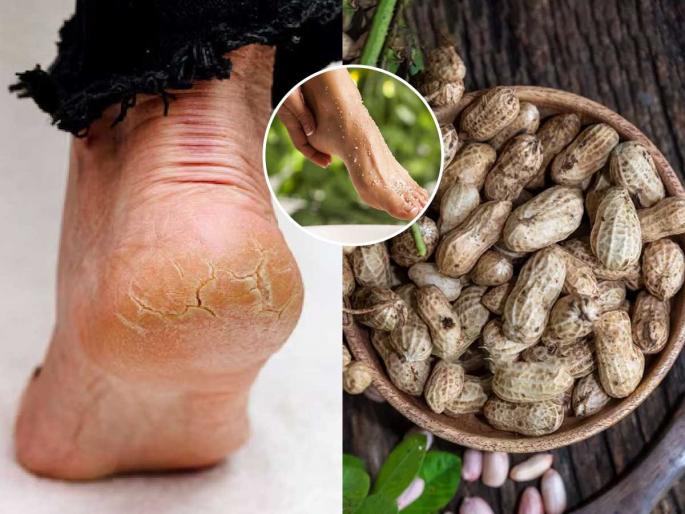
Peanut shells foot mask heals cracked heels naturally! DIY with honey, coconut oil & milk for soft, smooth feet this winter.
Cracked Heel Remedy: People enjoy eating peanuts and lounging in the sun throughout the winter. The majority of people discard peanut shells in the trash, yet few are aware that they can be used to treat cracked heels. A frequent issue that many people have, particularly in the dry winter months, is dry and cracked heels. There are a number of commercial foot creams on the market, but they contain a lot of chemicals. A DIY cure prepared from peanut shells is the best thing there is. They are abundant in natural oils and antioxidants, which successfully treat heel cracks.
Peanut shells can be used as a calming foot mask because of their moisturizing qualities, which also aid in skin restoration. Here’s how to quickly produce a homemade treatment for peanut cracked heels.
Making a Foot Mask Out of Peanut Shells
Ingredients
- Dry and cleaned peanut shells
- Raw milk
- honey
- coconut oil
Method
Step 1: Use a mixer grinder to crush the dried and cleaned peanut shells into a powder.
Step 2: In a bowl, combine 2 teaspoons of peanut shell powder, 1 teaspoon honey, and 2 teaspoons coconut oil. Stir well.
Step 3: To create a smooth paste, add raw milk as necessary. The foot mask is prepared.
How Can a Peanut Shell Foot Mask Be Applied?
ALSO READ: Top 50+ Baby Names Inspired by Lord Shiva for 2026
To begin, soak the feet for five to seven minutes in lukewarm water. After that, gently massage your heels with the prepared foot mask. After applying this paste for at least twenty minutes, rinse it off with water. Put on socks and moisturize or apply Vaseline on your heels.
Advantages of Making Your Own Peanut Shell Foot Mask
This all-natural foot mask eliminates dead skin cells by acting as a natural scrub. Its antioxidants heal the skin and leave it smooth and radiant.
A simple, inexpensive, and natural solution to cracked heels is this do-it-yourself peanut shell heel treatment. In addition to softening the skin, this is an environmentally responsible method of recycling garbage.
(disclaimer : Readers are encouraged to exercise discretion and make informed decisions. India This Week (ITW) does not endorse, promote, or guarantee any specific recommendation. The information provided is for general awareness only and should not be considered a substitute for professional consultation. Always seek advice from a qualified expert.)