
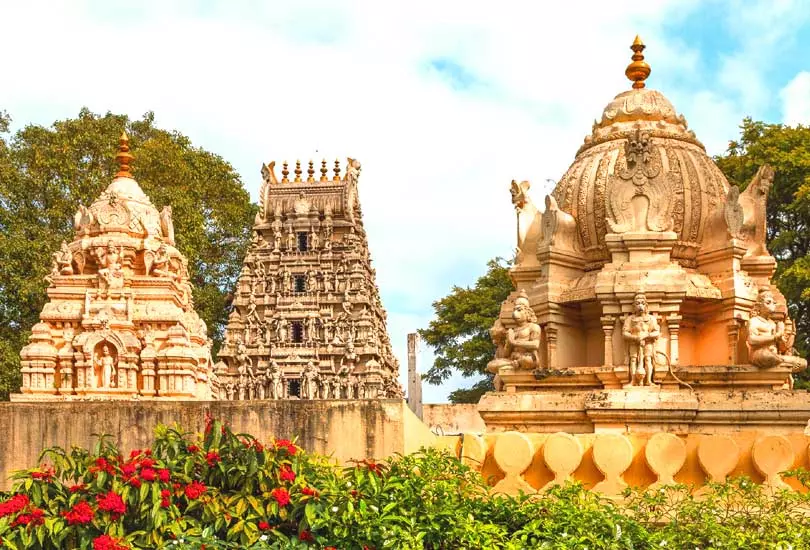
Bengaluru’s temples offer more than prayer—they serve prasāda that reflects history, culture, and devotion. Discover the flavors of ISKCON, Banashankari, and Gavi Gangadhareshwara temples.
New Delhi: Bengaluru is known as India’s tech hub, yet beneath its skyscrapers and crowded streets is a long-standing spiritual center. Bengaluru’s temples are more than just places to pray; they are lively places that showcase the best examples of history, culture, and gastronomic dedication. Prasāda is the most unique of all the sacred rituals. In Bengaluru, every temple serves its own prasāda, each with its own history and aroma of religion.
Next, we will examine five temples and the manifestations of their prasāda, which fills the spirit.
(Dodda Basavana Gudi) Bull Temple
This holy temple, which is located in Basavanagudi, is consecrated to Lord Shiva’s loyal bull, Nandi. Specially served during the yearly Kadalekai Parishe (Groundnut Festival), the prasadam is a sweet-salty blend of groundnuts and jaggery. This prasadam, which reflects the community’s agrarian heritage, is their method of giving thanks to God for a bountiful crop.
Temple of ISKCON
Devotees at the magnificent ISKCON Sri Radha Krishna Temple in Rajajinagar are served halwa, sundal, and sweet pongal (chakkara pongal) as prasadam. The pongal, which is made with rice, ghee, and jaggery, is a symbol of purity and plenty. This prasadam, which is served in environmentally friendly bowls, exemplifies ISKCON’s service and food-sharing (prasada-seva) attitude of devotion.
Temple of Gavi Gangadhareshwara
Dedicated to Lord Shiva, this ancient rock-cut cave temple in Gavipuram is well-known for its yearly sunlight occurrence during Makara Sankranti. Here, the prasadam frequently consists of coconut ladoo or lemon rice, which stand for purity and simplicity. The earthy, grounded traditions of the temple, where worship melds harmoniously with the natural elements, are reflected in the acidic rice dish.
Also read : Winter Foods That Strengthen Gut Health and Aid Digestion
Temple of Banashankari
Puliyogare, or tamarind rice, is the traditional South Indian food served as prasadam at this temple, which is dedicated to the worship of Goddess Banashankari Amma. Made from tamarind pulp, curry leaves, and roasted peanuts, puliyogare has a sour, mildly spicy flavor that is said to balance the senses and rid the body of bad energy and odors. After special pujas on Tuesdays and Fridays, the temple prasadam is offered with regret and is particularly portioned.
Temple of Kote Venkataramana
This temple is located along Kalasipalya and was created and built under the Mysore Wodeyar kingdom. As prasadam, the temple serves Venn Pongal, a savory rice and lentil dish, and Kesari Bath, a semolina pudding. Together, the sweet and savory represent life’s two balances: happiness and hardship, discipline and dedication. Every mouthful strengthens the bond between the devotee’s heart and their God, creating a relationship.