
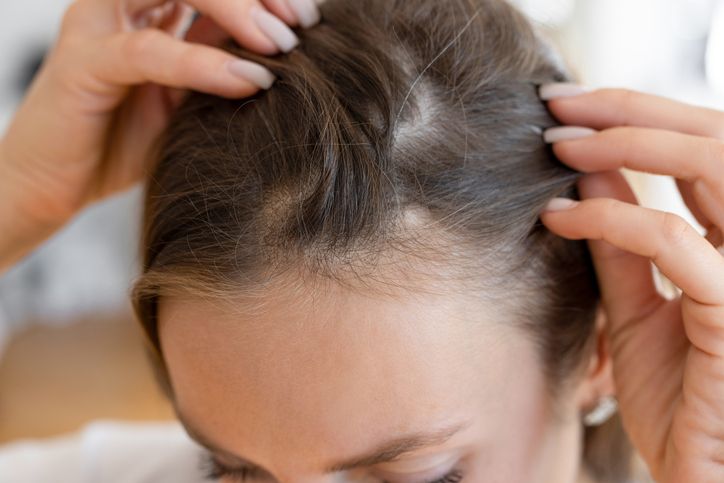
Hair loss is not always just a cosmetic issue—it can often signal underlying health concerns. While it is normal to lose around 50–100 strands daily, excessive hair loss—especially when hair falls out in clumps during washing or brushing—may indicate that something in the body needs attention.
For many individuals, noticing thinning hair or bald patches can be alarming. Although factors like seasonal changes, stress, or poor hair care routines are common, excessive hair loss can sometimes be linked to deeper medical conditions that require early diagnosis and treatment.
Common Causes of Excessive Hair Loss
One major cause of excessive hair loss is thyroid disorders. The thyroid gland regulates metabolism and plays a crucial role in the hair growth cycle. When it becomes overactive or underactive, it can disrupt normal hair growth, leading to thinning and increased shedding.
Another condition is Alopecia Areata, where the immune system attacks hair follicles. This results in sudden, patchy hair loss. In some cases, hair may grow back naturally, while in others, the condition may recur.
Also read : Easter 2026: Significance, Traditions, and Celebrations Explained
Iron deficiency, also known as Anaemia, is another common reason behind excessive hair loss. Iron helps carry oxygen to hair roots, and when levels are low, hair becomes weak and prone to breakage or early shedding.
Other Contributing Factors
Apart from medical conditions, excessive hair loss can also be triggered by hormonal changes during pregnancy or menopause, high stress levels, and poor nutrition. Deficiencies in protein, vitamins, and minerals can weaken hair health. Additionally, certain medications, scalp infections, and emotional stress can push more hair into the shedding phase.
When to Seek Medical Advice
If excessive hair loss continues for a prolonged period or occurs suddenly, it is important to consult a doctor. Symptoms like fatigue, weight fluctuations, or weakness alongside hair fall should not be ignored. Medical tests, including thyroid function, iron levels, and hormonal assessments, can help identify the root cause and guide treatment.
Occasional hair shedding is normal, but excessive hair loss should never be overlooked. Understanding the underlying causes—whether related to thyroid issues, autoimmune conditions, or nutrient deficiencies—is essential for effective treatment and maintaining healthy hair.