
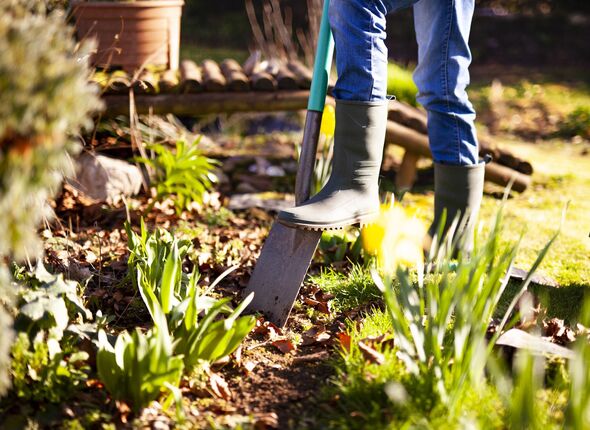
Keep your garden healthy this fall with expert tips on pruning, soil care, mulching, winter crops, and composting for a thriving winter garden.
Fall Garden Tips : As the crisp autumn air settles and daylight fades, the garden slows down. The wise gardener understands that this time of year is far from idle for plants. This is the season when the plants require extra attention before winter comes in. Autumn plant care consists of caring, repairing, and preparing for the upcoming cold months. Each tiny fall plant care checklist makes gardening comfortable and healthy. Incorporating some clever garden methods into fall gardening will protect the green plants from the freezing cold while also providing a proper atmosphere to keep the garden growing even as temperatures drop.
Plant TLC is about revitalization and preparation. Pruning dead stems, improving soil health, and planting hardy seasonal flowers can all help to revitalize your fall garden. Seasonal adjustment strengthens the plants, resulting in a cozy fall garden setting. Here are eight clever garden strategies to keep your fall garden healthy and cozy throughout the winter.
Tips for Fall Garden Care for Beginners

Remove spent and diseased plants.
Begin by removing the dead annuals, invasive weeds, and unhealthy vegetation. This maintains the garden neat and prevents pests and fungi from overwintering. Do not compost unhealthy plants; instead, dispose of them separately through municipal garbage collection.
Prune with precision.
Autumn is the ideal time for thorough pruning. Remove any dead wood, damaged, or diseased branches from shrubs and trees. Be gentle with spring-flowering plants. It is important to note that pruning too early may result in the loss of buds for the following season. The optimal period for trimming is late fall, when plants have gone dormant.
Feed and rejuvenate the soil.
A good soil leads to a healthy garden. Loosen the top layer of soil slightly to allow air and water to reach the roots more easily. To restore nutrients, add organic matter like well-rotted manure, vermicompost, or mature compost. In heavier soils, you can also combine leaf mould and coarse sand to improve drainage. An enriched soil permits bacteria to survive the winter and produce lush growth in the spring.
Mulch promotes warmth and moisture.
Mulching is one of the best garden tricks for autumn. It keeps the soil warm, retains moisture, and prevents weeds from taking over. You can use dried leaves, coconut husk mulch, sugarcane bagasse, or straw. Spread it in a layer five to eight centimetres thick, keeping it slightly away from the plant’s base to allow the stems to breathe.
Cultivate winter crops.
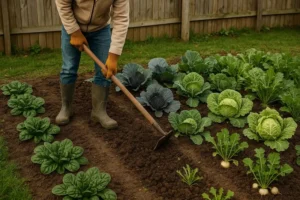
This is the best time to plant hardy winter crops. Consider leafy greens such as spinach, fenugreek, and mustard leaves. You can also plant carrots, radish, beetroot, peas, coriander, spring onions, and other vegetables. However, if your area experiences frequent dew or inadequate drainage, choose raised beds or deep containers. These crops flourish in lower temperatures and yield a fresh winter harvest.
Divide Overgrown Perennials.
If any of the perennials have become too dense, divide and replant them immediately. It increases root space and promotes healthier blooms the following year. This works with daylilies, ginger lilies, and decorative grasses.
Maintain Tools and Garden Structures
Fall gardening maximizes the use of your garden tools. Take good care of your tools and garden setup. To avoid corrosion, keep tools clean and oil them on a regular basis. Repair wooden planters, trellises, and fencing while the weather permits. Drain and store hoses to prevent brittleness and cracks. Well-kept tools and structures aid in spring gardening.
Also read : How to Remove Wax and Pesticides from Apples Naturally – 6 Easy Cleaning Hacks
Start a compost heap.
Autumn brings a plenty of organic materials, and it is the perfect time to utilize it. Begin a compost heap with a combination of green trash (kitchen scraps) and brown matter (dry leaves or stalks). Turn the pile every several weeks and cover it during heavy rains. By spring, you’ll have nutrient-rich compost ready for use.
Following these ingenious garden methods with the coming of the winter season will result in stronger roots, greener foliage, and higher yields. They will make the fall garden appear healthy and pleasant, and they will provide warmth, energy, and calm during the winter months.