
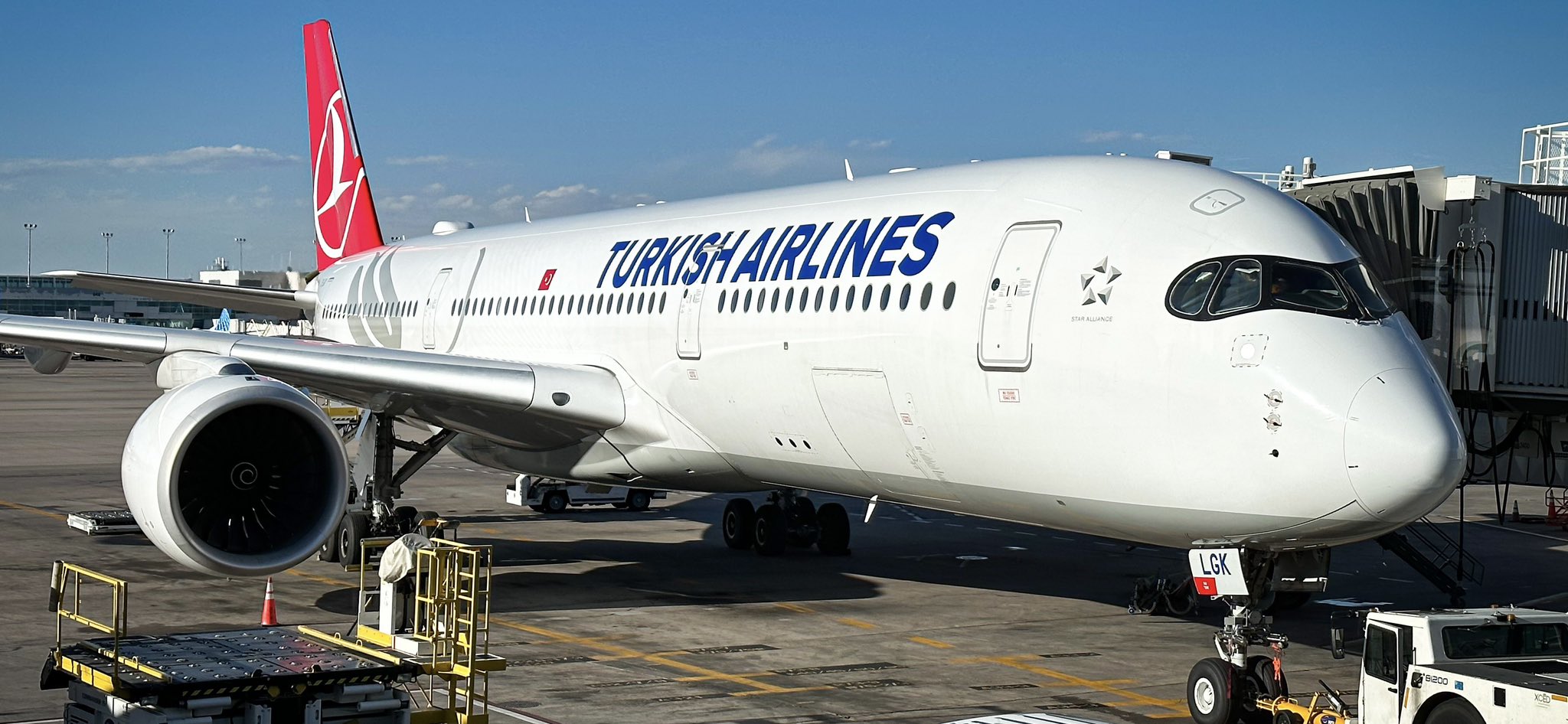
Turkish Airlines Faces Safety Violations Probe by Indian Aviation Regulator
Amid rising diplomatic tensions between India and Turkey, the Directorate General of Civil Aviation (DGCA) has identified several serious safety and compliance lapses involving Turkish Airlines during recent inspections at key Indian airports. The findings have prompted the regulator to issue a strong directive to the airline, demanding immediate corrective measures and strict adherence to international aviation safety standards.
The violations were discovered during inspections at four major Indian airports, including Bengaluru and Hyderabad, with ground handling irregularities, unauthorized personnel on duty, and maintenance non-compliance among the key concerns raised by authorities.
Bengaluru Airport: Unauthorized Marshaller Found Directing Aircraft
One of the most critical breaches was flagged at Kempegowda International Airport in Bengaluru, where DGCA inspectors discovered that the marshaller—responsible for guiding aircraft on the ground—was operating without valid authorization or a competency card, a mandatory certification in aviation ground operations.
The absence of qualified personnel in such a high-risk role raised alarms about operational safety standards, as incorrect marshalling can lead to ground collisions or equipment damage.
Hyderabad and Bengaluru: Ground Handling Gaps and Equipment Mismanagement
The audit also found ground handling deficiencies at both Hyderabad and Bengaluru airports. Turkish Airlines had been using Globe Ground India as its Ground Handling Agent (GHA), yet no Service Level Agreement (SLA) was in place, a direct violation of DGCA compliance norms.
Additionally, vital equipment such as step ladders and baggage trolleys were reportedly being used without proper accountability. There were no clear records of handover from previous service providers, notably Çelebi Aviation, raising questions about safety tracking and equipment ownership.
Maintenance Protocol Violation: AME Absent During Flight Arrival
In another incident reported during inspections, a Turkish Airlines flight landed in India without the presence of an Aircraft Maintenance Engineer (AME) on-site. Instead, the post-arrival inspection process was handled by a technician, in breach of standard aviation protocols, which require a certified AME to be present for technical clearance of aircraft.
Turkish Airlines’ authorized maintenance partner in India, Airworks, is responsible for providing maintenance support across Indian airports. The delegation of responsibilities without proper certification was viewed as a serious lapse in maintenance protocol.
DGCA Orders Immediate Corrective Action
Following these findings, the DGCA has ordered Turkish Airlines to:
- Submit a detailed compliance report.
- Implement immediate rectification of safety procedures.
- Ensure all personnel are certified and competent.
- Regularize contracts with all service providers.
A senior DGCA official stated, “India upholds a zero-tolerance policy toward aviation safety violations. We expect all foreign carriers operating in Indian airspace to follow our regulations strictly, irrespective of their origin.”
Context: India-Turkey Diplomatic Tensions Add to Complexity
The audit comes against the backdrop of escalating diplomatic frictions between New Delhi and Ankara, triggered by Turkey’s vocal criticism of India’s internal matters, including Kashmir. These tensions have also influenced India’s posture toward Turkish-affiliated businesses and airline operations, prompting closer scrutiny.
While DGCA maintained that the inspections were routine and regulatory in nature, industry analysts suggest the geopolitical climate may have contributed to the increased intensity of oversight.