
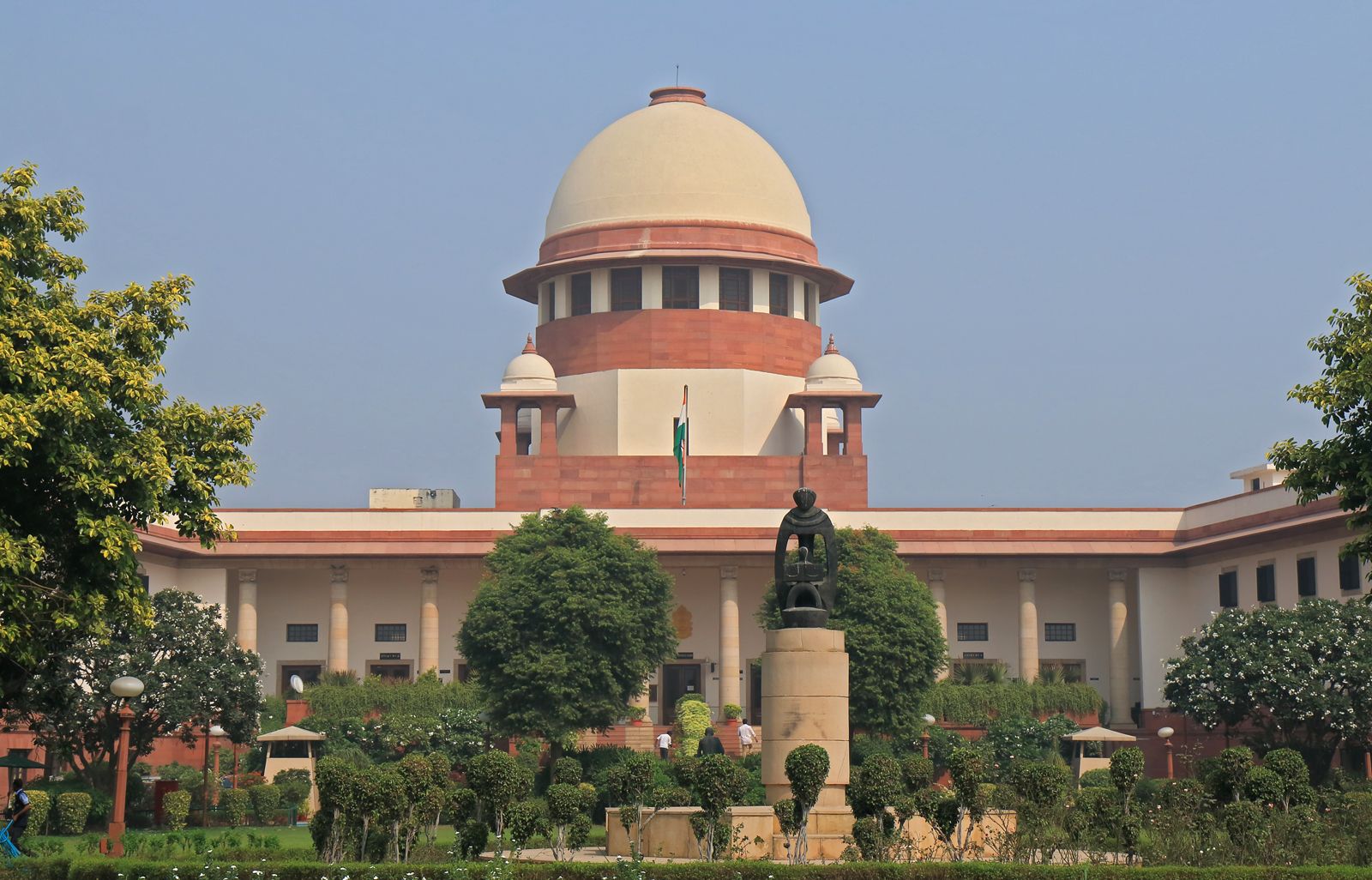
In a landmark relief for thousands of young agitators, the Supreme Court quashes FIRs student protesters faced across the country following nationwide demonstrations in late July.
A three-judge bench led by Chief Justice of India Surya Kant delivered the decision on Tuesday. Justices Joymalya Bagchi and V. Mohana joined the bench to issue the historic directive.
The top court exercised its extraordinary powers under Article 142 of the Constitution. Consequently, state governments cannot pursue old cases or register new complaints regarding events between July 20 and July 25.
| Judicial Milestone | Legal Mechanism Applied | Scope of Coverage | Primary Exception |
| Protest FIR Quashing | Article 142 Special Powers | All States & Union Territories | 2,873 individuals with criminal antecedents |
| Ban on Fresh Cases | Binding Supreme Court Order | Protests between July 20–25 | Serious offences (murder, rape, abduction) |
| NEET-UG Relief | Executive Mechanism Review | Families of deceased aspirants | 3-month deadline for final compensation |
Nationwide Case Closures Protect Student Futures
The judicial intervention provides comprehensive legal immunity to student participants involved in the July agitation. State authorities must treat all related First Information Reports as permanently closed.
Applications for relief came from Delhi Police alongside state governments of Bihar, West Bengal, Maharashtra, and Assam. However, the top court extended these protective directions to every state and Union Territory across India.
Furthermore, Solicitor General Tushar Mehta informed the bench that the Union Government approached the issue constructively alongside student leaders. This approach reflects solemn commitments made during peace negotiations in late July.
| State / Authority | Application Status | Scope of Relief Granted | Pursuing Criminal Exception |
| Centre / Delhi Police | Co-applicant | Full closure for general protesters | Yes (Single combined FIR) |
| Bihar Government | Co-applicant | Full closure for state-level FIRs | No |
| West Bengal Govt | Co-applicant | Full closure for state-level FIRs | No |
| Maharashtra Govt | Co-applicant | Full closure for state-level FIRs | No |
| Assam Government | Co-applicant | Full closure for state-level FIRs | No |
| Other States / UTs | Extended by SC | Automatic application under Art 142 | No |
Also Read : Manipur Naga MLAs Write to Amit Shah Seeking Urgent Action
Exceptions Maintained for Serious Antecedents
While the Supreme Court quashes FIRs student protesters were booked under, it created a single strict exception for public safety. Law enforcement may continue investigating 2,873 individuals identified at Jantar Mantar.
Delhi Police received authorization to consolidate these specific cases into one single FIR. Authorities allege these individuals possess prior criminal records involving severe offences like murder, rape, and abduction.
Chief Justice Surya Kant clarified that these orders stem from peculiar facts and do not form a binding precedent. This balanced approach safeguards legitimate student activism while permitting probes into antisocial elements.
| Case Category | Target Demographics | Legal Status | Action Permitted |
| General Protesters | Student agitators & youth activists | Fully Quashed | No investigation or prosecution |
| Flagged Elements | 2,873 listed individuals | Retained under single FIR | Formal probe into grave offences |
| Future Actions | All related July 20–25 events | Barred by SC Mandate | No fresh FIRs allowed anywhere |
Agitation Called Off Following Assurances
Following the favourable verdict, the Cockroach Janata Party (CJP) announced the immediate withdrawal of its planned September 5 march. CJP spokesperson Saurav Das confirmed the decision directly to the bench during proceedings.
Additionally, the central government reaffirmed its pledge to compensate families of NEET-UG aspirants who died by suicide. The Solicitor General requested time to finalize the financial disbursement framework.
Consequently, the court directed the Union Government to complete all compensation modalities within three months. This directive resolves key grievances that sparked the nationwide student movement.