
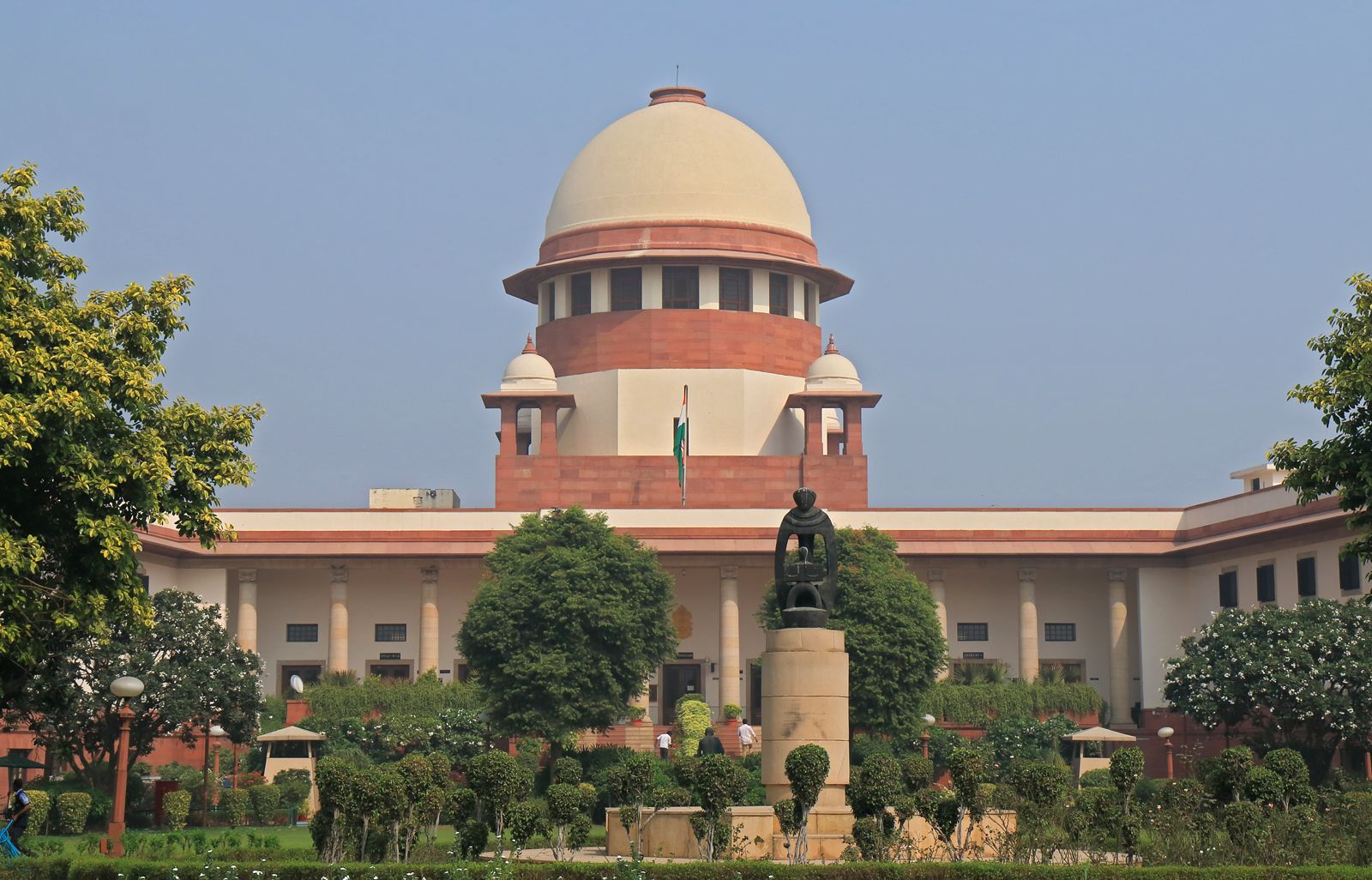
The Supreme Court Jantar Mantar protest site review began on Monday after a public interest litigation reached the bench. Chief Justice Surya Kant led a three-judge panel alongside Justice Joymalya Bagchi and Justice V. Mohana. The court issued formal notices to the central government and other civic authorities regarding the petition. Additionally, the court directed Solicitor General Tushar Mehta to seek official instructions on the urgent matter. The PIL contends that central Delhi can no longer sustain continuous large-scale public demonstrations safely.
Advocate Satish Chand Kaushik filed the petition to demand a safer alternative venue in the capital. Furthermore, the petitioner argued that frequent gatherings severely block essential movement for nearby residents. Emergency medical vehicles often struggle to navigate narrow access roads during intense public rallies. Local shopkeepers and residents also face constant commercial losses due to road closures and security barricades. Therefore, the petitioner urged the court to designate a dedicated protest space outside residential zones.
Also Read : Delhi Court Acquits Brij Bhushan Singh in Wrestlers Sexual Harassment Case
Judicial Concerns over the Supreme Court Jantar Mantar Protest Site
During Monday proceedings, Chief Justice Surya Kant acknowledged the core public safety concerns raised by the plea. The Chief Justice noted that ingress and egress problems directly affect essential civilian movement in the area. Moreover, he stressed that access to emergency medical supplies remains a vital concern for central Delhi. Consequently, the bench ordered that the petition receive a separate judicial listing for detailed future hearings. The court emphasized that civic authorities must address basic infrastructure gaps in public demonstration zones.
The petition further reveals that basic amenities remain severely lacking for participants during lengthy demonstrations. Sanitation facilities, clean drinking water, and proper waste management remain wholly inadequate at the current venue. As a result, thousands of demonstrators often gather in unsanitary conditions for extended periods. These harsh physical conditions create secondary public health risks for both protesters and surrounding communities. Thus, finding a modernized alternative location serves both public order and human dignity.
The petitioner’s counsel also highlighted upcoming political events that could trigger renewed urban congestion. Specifically, the lawyer mentioned planned marches and town hall events near government quarters. The legal team urged preventive judicial intervention to stop severe traffic gridlock across central Delhi. However, the bench declined to comment on specific upcoming political demonstrations or administrative plans. Chief Justice Kant stated that executive authorities possess adequate administrative power to manage law and order. “They know how to handle it,” the Chief Justice remarked during the courtroom dialogue. Furthermore, the court invited parties to return only if executive agencies fail in their administrative duties.
Fallout from July 20 Protests Sparks Policy Debates
The scrutiny around the Supreme Court Jantar Mantar protest site follows intense unrest during the July 20 demonstration. Thousands of student protesters gathered under the ‘Chalo Sansad’ banner to demand accountability over exam leaks. However, police deployment and sudden crowd surges led to violent clashes in surrounding streets. Subsequent legal petitions alleged excessive police force, including the deployment of pellet guns and lathi charges. In response, the Supreme Court Bar Association passed a resolution condemning police violence against student groups. The legal association demanded a thorough and independent investigation into the security response.
Meanwhile, government officials maintained that unauthorized groups infiltrated the student rally to provoke violence. Solicitor General Tushar Mehta informed the court that anti-social elements deliberately targeted on-duty police personnel. More than two hundred security personnel sustained injuries during the clashes near Parliament Street. Consequently, the court ordered all state agencies to preserve CCTV footage and wireless communication logs. Additionally, the bench barred coercive action against peaceful student demonstrators without prior criminal records.
Historical Evolution and the Search for Alternative Venues
Historically, Jantar Mantar became Delhi’s primary demonstration hub after authorities restricted access to Boat Club lawns. In the late 1980s, massive farmer rallies at Boat Club completely paralyzed central government offices. Consequently, police authorities designated Jantar Mantar as the designated urban space for public expression. However, rapid vehicle growth and commercial expansion transformed the surrounding neighborhood over recent decades. Today, heavy protests at the site routinely stall arterial roads connecting Delhi to neighboring districts.
Urban planners suggest moving large demonstrations to purpose-built grounds equipped with modern public utilities. Spaces near Ramlila Maidan or outskirts offer better road capacity and controlled security perimeters. Moreover, designated rally parks can include proper medical stations, sanitation units, and safe exit routes. The current evaluation of the Supreme Court Jantar Mantar protest site could establish new national guidelines. Legal experts emphasize that balancing democratic rights with urban functionality remains a delicate judicial task.
Furthermore, constitutional law protects peaceful assembly while safeguarding fundamental rights of local residents. The Supreme Court must now harmonize democratic expression with public convenience and urban safety. Therefore, the upcoming hearing on the Supreme Court Jantar Mantar protest site will shape future protest management. Solicitor General Tushar Mehta will present the Union government’s comprehensive stance during the next scheduled hearing. Millions of Delhi citizens and rights activists await the court’s definitive direction on this historic issue.