
NEW DELHI: An extraordinary civil agitation in New Delhi achieved a historic political outcome this week. The Sonam Wangchuk Gen Z movement forced the resignation of Union Education Minister Dharmendra Pradhan on Saturday.
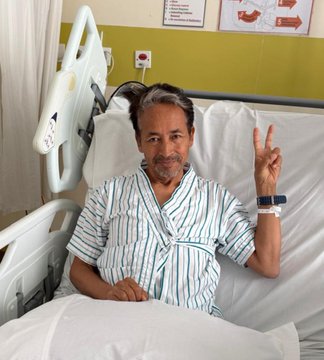
Pradhan stepped down following weeks of intense public anger over repeated national examination paper leaks. Meanwhile, 59-year-old Ladakhi activist Sonam Wangchuk welcomed the news directly from his hospital bed in Delhi. He called the development a direct victory of peace, patience, and street democracy.
Wangchuk recently broke his 26-day hunger strike after police previously transferred him to a local medical facility. He had fasted alongside youth leaders from the satirical Cockroach Janta Party at Jantar Mantar.
Also Read : Parliament Agenda After Dharmendra Pradhan Resignation Focuses on Anti-Paper Leak Bill
Consequently, their joint effort transformed local exam complaints into a massive nationwide protest movement. Thousands of young students across India joined the call for strict government accountability. Therefore, this victory marks a significant turning point in modern Indian youth activism.
Movement Timeline & Milestones
├──► June 20, 2026 : Cockroach Janta Party (CJP) launches Jantar Mantar sit-in
├──► June 28, 2026 : Sonam Wangchuk joins youth protest & begins hunger strike
├──► July 20, 2026 : Police crackdown broadens nationwide student solidarity
├──► July 24, 2026 : Wangchuk moved to hospital after 26 days of fasting
└──► July 25, 2026 : Education Minister Dharmendra Pradhan tenders resignation
From Himalayan Innovation to National Youth Leadership
Sonam Wangchuk earned global fame for his pioneering educational reforms and water conservation projects in Ladakh. For instance, he invented artificial ice stupas to supply irrigation water to high-altitude mountain villages.
His inspiring life story also loosely inspired the lead character in a famous Bollywood blockbuster. In 2018, he received the prestigious Ramon Magsaysay Award for his community development work. Born in remote Ulaytokpo village in 1966, he began tutoring local students at age nineteen.
Later, he established the Students’ Educational and Cultural Movement of Ladakh to reform mountain education. In recent years, he led campaigns demanding constitutional autonomy and environmental protection for his home region.
However, his recent participation in student fasts expanded his influence far beyond the Himalayan mountains. The Sonam Wangchuk Gen Z movement united urban students with veteran grassroots campaigners across state boundaries. Furthermore, famous actors and civic leaders sent public messages supporting his peaceful hunger strike.
Key Milestones of Sonam Wangchuk’s Journey
- 1988 : Founds Students’ Educational & Cultural Movement of Ladakh
- 2013 : Invents “Ice Stupas” for Himalayan water security
- 2018 : Awarded Ramon Magsaysay Award (Asia’s Nobel Prize)
- 2026 : Leads 26-day fast supporting Gen Z exam reform movement
Despite his growing popularity, Wangchuk humbly rejected comparisons to legendary independence hero Mahatma Gandhi. “I am no hero,” Wangchuk stated during his long hospital fast in New Delhi. “I am just an ordinary citizen fulfilling my basic duties to the nation,” he added. He urged young citizens to become active heroes in their own daily lives.
How the Cockroach Janta Party Mobilized Millions of Students
The student agitation originated after widespread irregularities marred national entrance tests like NEET-UG. Millions of young aspirants faced severe career uncertainty due to corrupt paper leak networks. In response, activist Abhijeet Dipke founded the Cockroach Janta Party to channel student anger peacefully.
Dipke lovingly calls the Ladakhi campaigner “Sonam Sir” in recognition of his guidance and mentorship. The satirical party name reclaimed a controversial judicial remark directed at unemployed young law graduates.
Core Dynamics of the Student Uprising
├──► Catalyst : NEET-UG paper leak & Supreme Court remark controversy
├──► Organization : Satirical Cockroach Janta Party (CJP) youth mobilization
├──► Key Catalyst : Sonam Wangchuk joining 26-day indefinite hunger strike
└──► Final Outcome : Resignation of Education Minister & legislative overhaul
Consequently, millions of Gen Z youth adopted the identity to challenge institutional indifference. When Wangchuk joined the Jantar Mantar sit-in, the protest gained massive momentum across social media platforms. The Sonam Wangchuk Gen Z movement mobilized rallies in major academic hubs throughout northern India.
Additionally, protesters maintained strict discipline despite intense summer heat and police crowd control measures. Their unwavering persistence put immense political pressure on the central ruling coalition. Eventually, Union Education Minister Dharmendra Pradhan posted his resignation letter online on Saturday morning.
Moving From Public Accountability to Comprehensive Education Reforms
News of the ministerial resignation triggered joyful celebrations among gathered students at Jantar Mantar. Flashing a victory sign from his hospital bed, Wangchuk celebrated the triumph of direct democracy. “From accountability, now we must move to systemic reforms,” Wangchuk wrote on social media.
The Sonam Wangchuk Gen Z movement proved that ordinary citizens can hold powerful leaders accountable. However, student leaders emphasized that the resignation represents only their first major victory. Cockroach Janta Party founder Abhijeet Dipke stated that two crucial demands remain unresolved.
Remaining Demands of the CJP Movement
- Compensation : ₹1 crore assistance for families of deceased aspirants
- Police Action : Disciplinary proceedings against officers using excessive force
- Systemic Reform : Structural reorganization of National Testing Agency (NTA)
Specifically, students demand financial compensation for families of aspirants who died by suicide. Moreover, they seek strict legal action against police officers involved in previous protest crackdowns.
Meanwhile, the government plans to introduce new legislation to punish paper leak syndicates severely. Lawmakers will establish fast-track courts to complete fraud trials within ninety days. The Sonam Wangchuk Gen Z movement continues to monitor these legislative developments very closely.
In conclusion, peaceful youth participation has successfully reshaped the national debate on educational integrity. As India prepares new testing protocols, Wangchuk’s message of courage continues inspiring millions nationwide.