
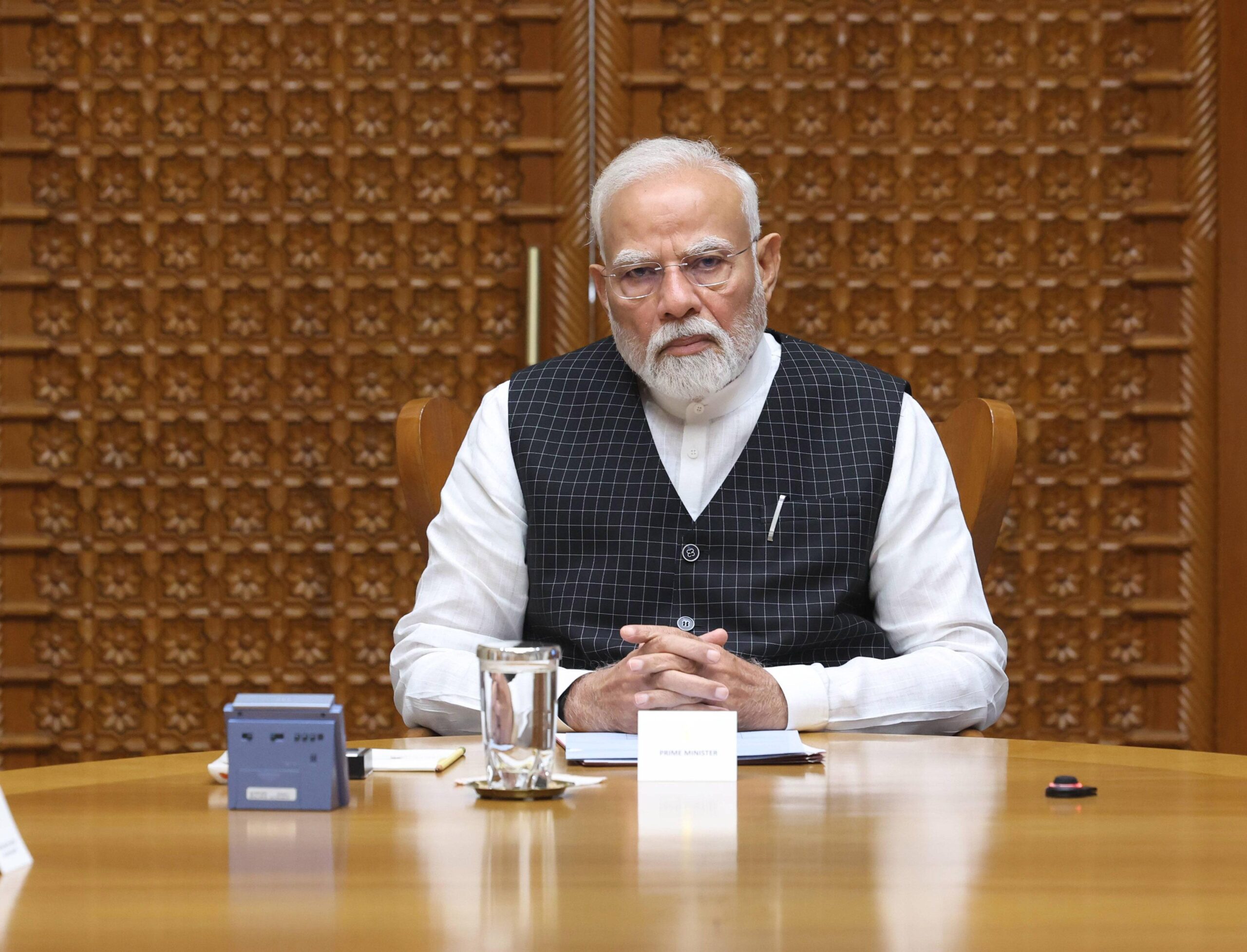
PM Modi Chairs Key Security and Political Meetings Amid Escalating India-Pakistan Tensions
PM Modi Holds Crucial Security and Political Meetings as India-Pakistan Tensions Rise Post Pahalgam Terror Attack
New Delhi, April 30, 2025 — In the wake of the deadly Pahalgam terror attack that claimed the lives of 26 civilians, Prime Minister Narendra Modi is chairing a series of high-stakes cabinet meetings today, including the second Cabinet Committee on Security (CCS) meeting within a week and the first Cabinet Committee on Political Affairs (CCPA) since the attack. A full Union Cabinet meeting is also scheduled later in the day, underlining the gravity of the national response.
This development comes as tensions along the India-Pakistan border remain heightened, and the central government sharpens its stance with a mix of diplomatic, economic, and internal security measures.
Fallout of the Pahalgam Attack: A Shift in India’s Strategy
The brutal attack in Pahalgam, Jammu & Kashmir, on April 22, shocked the nation and drew swift condemnation from all quarters. Just a day later, PM Modi convened the first CCS meeting to assess the situation and chart a course of action.
The government has since announced a string of strong non-military responses, including:
- Suspension of the Indus Waters Treaty, signaling a major diplomatic escalation.
- Closure of the Attari border between India and Pakistan.
- Revocation of all visas issued to Pakistani nationals residing in India.
These steps underscore India’s intent to apply diplomatic pressure on Pakistan without immediate military escalation—though security preparedness remains high.
What Is the CCPA and Why Is It Significant?
The Cabinet Committee on Political Affairs (CCPA) is often referred to as the “Super Cabinet” due to its broad mandate. This body plays a pivotal role in shaping:
- Domestic political strategy, especially during crises.
- Centre-state relations, particularly in sensitive times requiring unified governance.
- Foreign policy directions that may have domestic political implications.
- Internal security and economic measures tied to political stability.
This marks the first CCPA meeting since the 2019 Pulwama attack, which resulted in the deaths of 40 CRPF jawans. The outcome of that meeting was India revoking Pakistan’s ‘Most Favoured Nation’ trade status—followed by the Balakot airstrike.
Today’s CCPA discussions are expected to mirror that precedent in significance, with a strong likelihood of new policy decisions or diplomatic steps being unveiled.
Tightening National Security Measures
As tensions escalate, India’s internal security apparatus has gone into high alert mode:
- Increased troop deployment across Jammu & Kashmir and border states.
- Intelligence agencies operating under high surveillance protocols.
- Coordination between state and central police forces to preempt any follow-up attacks.
- Monitoring of sensitive infrastructure, including dams, power grids, and military establishments.
Sources within the Ministry of Home Affairs suggest that intelligence-sharing protocols have been enhanced and rapid-response teams kept on standby across northern command zones.
Political Unity in Crisis
Opposition leaders have largely supported the government’s early steps, including the suspension of the Indus Waters Treaty. Analysts view this as a rare moment of national political unity at a time when the country faces external threats.
Former diplomats and strategic experts have called the government’s decisions “measured but firm,” emphasizing the need for multi-layered responses—from diplomatic isolation to potential cyber or economic sanctions—without immediate military confrontation.