
IMPHAL : Volatile ethnic friction has once again escalated along the remote northeastern frontier of India. Crucially, fresh Naga Kuki tensions Manipur erupted into serious open violence on Wednesday afternoon within the border zones of Kamjong district. Unidentified miscreants deliberately set ablaze an entire deserted village, which triggered immediate retaliatory arson attempts in adjacent areas. Consequently, the local administration placed all regional state security wings on maximum operational alert to contain further spread.
The initial incident occurred at approximately 12:30 PM near the crucial Indo-Myanmar border pillar number 113. Unknown attackers entered Phaimol village, located 45 kilometers northeast of the strategic Chassad police station, and started fires. Fortunately, the local families had previously vacated their homes because of ongoing safety threats in the region. The displaced residents are currently taking refuge at Aishi village under the direct protection of an Assam Rifles camp.
Read More : IMD Rain Alert: Heavy Rainfall Likely in 19 States as…
Extensive Property Destruction Reported at Phaimol Village
Although the human population escaped physical harm, the massive blaze completely reduced 15 residential wooden homes to ashes. Interestingly, the local village church survived the intense fire completely untouched, standing alone amidst the smoldering ruins. Local intelligence reports indicate that the attackers retreated rapidly into the dense mountain terrain after completing the destruction.
Phaimol Arson Incident (12:30 PM)
Shortly after the first attack, a separate armed group attempted a quick retaliatory strike. At 1:45 PM, miscreants targeted Shangkhalok, a Tangkhul Naga settlement situated near border pillar number 101. However, alert security forces intervened rapidly at the site, effectively preventing total structural devastation across the primary residential sectors.
Escalating Damage Across Neighboring Border Settlements
Despite the quick intervention by security units, the incoming attackers managed to ignite several peripheral structures. Specifically, multiple small thatched houses belonging to displaced Burmese refugees were completely gutted during the brief chaos. Additionally, seven homes belonging directly to the local Tangkhul Naga community sustained partial fire damage before teams controlled the flames.
| Affected Border Settlement | Structural Damage Sustained | Current Inhabitant Status |
| Phaimol Village | 15 houses completely destroyed by fire | Displaced; sheltering at Aishi camp |
| Shangkhalok Village | 7 houses partially burnt; refugee huts destroyed | Remaining on-site under guard |
| Huimine Thana | 7 houses completely reduced to ashes | Vacated during the initial skirmish |
| Kherongram Sector | 13 houses and 20 refugee camps burnt | Fled into neighboring jungle zones |
Furthermore, the violence quickly spread to Huimine Thana, another Tangkhul village situated between Shangkhalok and Phaikoh. In this specific location, another seven houses were completely burnt down to ashes within minutes. Police authorities have officially registered a comprehensive suo motu criminal case to launch an immediate investigation.
Roots of the Renewed Ethnic Confrontation Examined
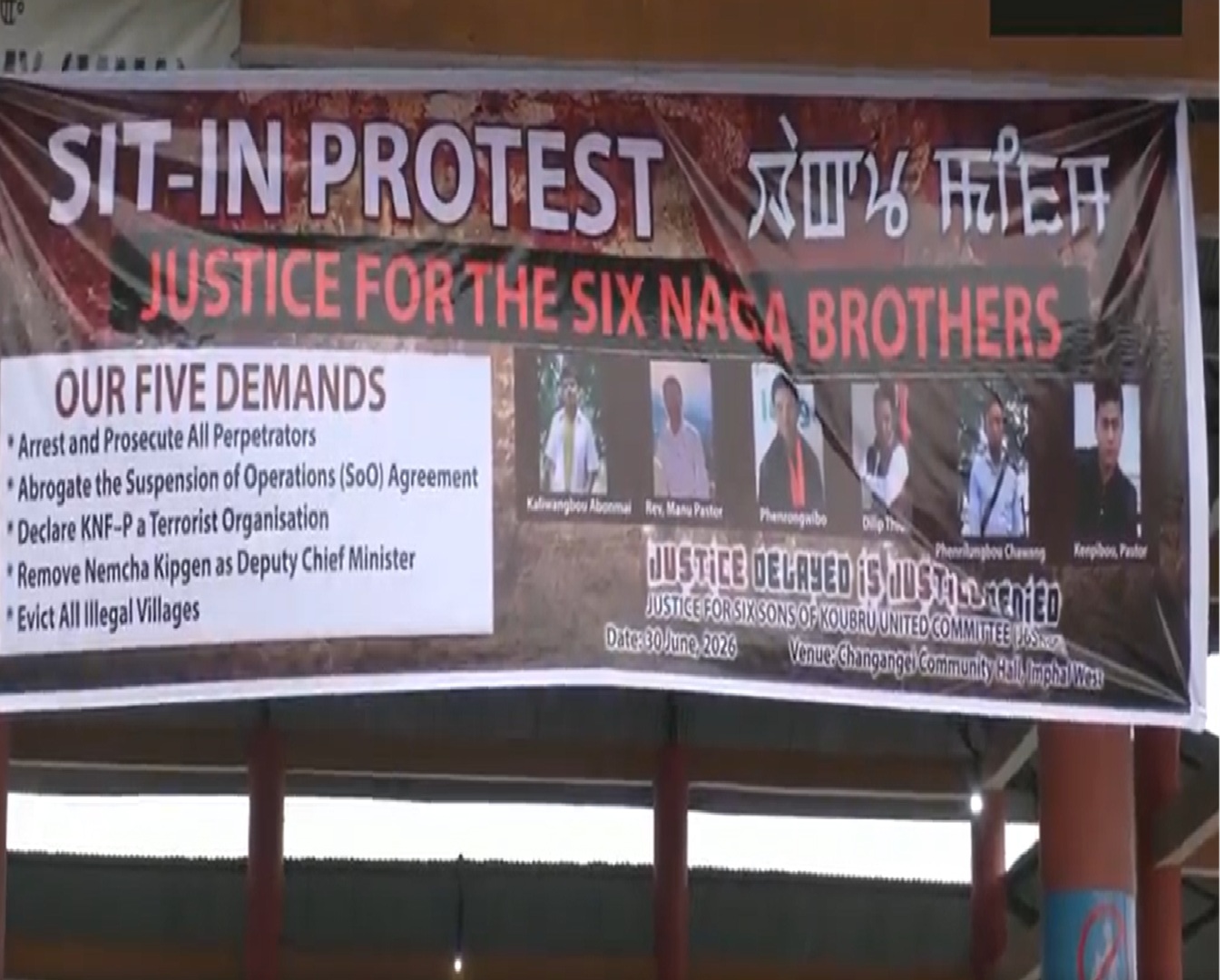
These alarming developments are closely linked to deep historical grievances between the two prominent tribal groups. In fact, the current Naga Kuki tensions Manipur intensified heavily following the tragic May 13 twin ambushes. Those initial attacks in Noney and Kangpokpi districts resulted in the direct deaths of three church leaders.
Subsequently, the security situation worsened significantly after authorities recovered six mutilated bodies of Naga civilians on June 10. Those victims were part of a larger group of 48 individuals abducted during earlier regional skirmishes. Although kidnappers eventually released the Kuki hostages alive, the brutal killing of the remaining Naga captives sparked outrage. Therefore, major Naga civil organizations launched massive highway blockades, demanding immediate, decisive action against the perpetrators.
Geopolitical Ramifications and Cross-Border Militancy Risks
The geographical location of these attacks introduces a complex international security dimension to the crisis. For instance, the Kuki Inpi Manipur apex body strongly condemned the destruction of Phaimol village. They formally alleged that the targeted operation involved armed cadres from the Tangkhul-led NSCN-IM group. Moreover, they claimed that the Shanni Nationalities Army, an armed group operating directly from Myanmar, assisted the attackers.
Consequently, civil leaders are urging the Central Government to implement stricter border management strategies along the river areas. Cross-border movements by armed outfits pose an undeniable threat to national security, converting local disputes into regional crises. Therefore, closer diplomatic coordination with Myanmar is essential to neutralize these safe havens effectively.
Conflicting Visual Accounts from Village Guard Formations
In contrast, the Eastern Command Naga Village Guard presented a completely different version of the Wednesday timeline. They alleged that heavily armed Kuki militants initiated the offensive by crossing the Namya River from Phaikoh village. According to their official statement, the cross-border attackers deliberately targeted Naga settlements to destabilize the frontier.
The group maintained that the fires in Phaimol were part of a coordinated maneuver by opposing factions. They emphasized that 20 camps sheltering 365 displaced Burmese refugees in Kherongram were intentionally targeted. This destruction duplicates the tragic patterns observed during the violent May 7 border attacks on other Naga villages.
Ultimately, resolving the persistent Naga Kuki tensions Manipur requires an absolute cessation of asymmetric village warfare. The state must deploy additional permanent neutral forces along these vulnerable international border pillars immediately. Only complete transparency, legal accountability, and sustained community dialogue can prevent the frontier from sliding into deeper conflict.