
A Calibrated Departure Toward Democratic Dialogue
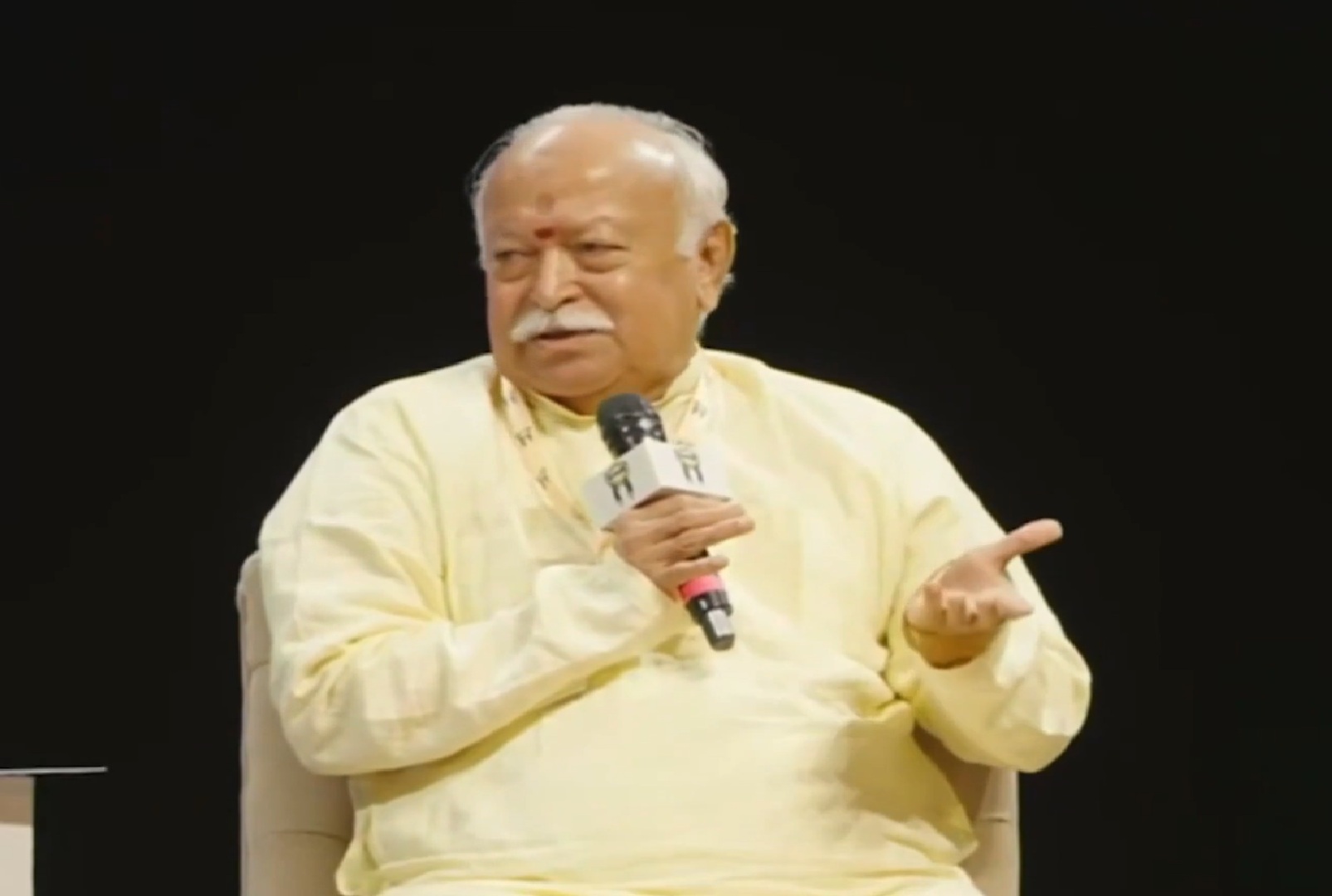
Recently, public discussions surrounding youth movements took a significant turn in Mumbai. Speaking at a major national event, the RSS chief shared pivotal views on student activism. Specifically, comments from Mohan Bhagwat on Gen Z protests emphasized that dissent remains a legitimate democratic tool. Furthermore, he addressed over two thousand students during a national youth conference in the city. Consequently, his public remarks sparked widespread analysis across political and social circles nationwide.
RSS Chief Mohan Bhagwat backs Gen Z, calling protest a valid mode of democratic dialogue.
Read details here : https://t.co/xgHJhyq6D0#MohanBhagwat #RashtriyaSwayamsevakSangh #GenZ #YouthProtests #EducationReform #Mumbai #IIMUN #Indiathisweek #RSS pic.twitter.com/lARVEboQQx— India This Week (@indiathisweekk) August 7, 2026
Additionally, he clarified that peaceful agitation creates public consensus rather than harmful social division. Indeed, this messaging marks a calibrated departure from rigid interpretations of public discipline. Instead, the organization now frames youth dissent as a constructive form of civic conversation. Therefore, political leaders must engage with young citizens through open and respectful dialogue.
Moreover, separating peaceful dissent from disloyalty strengthens democratic institutions across the entire nation. In fact, listening to young voices allows institutions to address underlying grievances before conflicts escalate. Thus, constructive communication serves as the primary foundation for lasting social harmony. In addition, civil society organizations welcome this open recognition of youth participation. As a result, regional communities encourage young citizens to express their views constructively.
Highlighting Education Reforms and Genuine Student Grievances
Recent student demonstrations across India raised serious public concerns regarding competitive examination leaks. Addressing these ongoing developments, Mohan Bhagwat on Gen Z protests validated genuine educational concerns. Moreover, he asserted that protesting students must never be labeled as anti-national. In fact, he described the younger generation as exceptionally honest and deeply patriotic. However, he insisted that dialogue should always remain the first choice for resolving disputes.
Additionally, he strongly supported increasing national spending on public education to six percent of GDP. Furthermore, he argued that education should remain universally accessible rather than commercially driven. Consequently, society must actively contribute toward improving academic quality and institutional integrity. As a result, structural reforms should address student anxieties promptly and completely transparently.
Also Read : Delhi IPS Officer Removed from Rashtrapati Bhavan Amid Misconduct Row
Indeed, fair examination systems build public trust in administrative governance and democratic processes. Therefore, official policy must prioritize student welfare above all bureaucratic considerations. Ultimately, protecting academic integrity remains essential for sustaining national development and youth motivation. Moreover, prompt official action against paper leaks restores candidate faith in competitive exams. In fact, merit-based selection remains vital for empowering hardworking youth from modest backgrounds.
Bridging Generational Gaps Through Reasoning and Respect
During his interactive session, Bhagwat highlighted clear differences between different demographic generations. Specifically, earlier generations often accepted authority without asking probing or difficult questions. In contrast, Gen Z continuously seeks logical reasoning, transparent answers, and genuine emotional warmth. Therefore, he compared this modern questioning habit to India’s traditional intellectual culture of shastrarth. Indeed, thoughtful public debate strengthens democratic institutions when conducted with mutual respect.
When asked about recent police actions against students, he declined to pass unverified judgment. However, Mohan Bhagwat on Gen Z protests explicitly stated that he trusts young citizens blindly. Moreover, he urged state authorities to demonstrate empathy when addressing student grievances. Consequently, administrative responses must prioritize verified facts over heavy-handed enforcement measures.
In addition, fostering mutual trust helps bridge deep gaps between youth and state institutions. Thus, empathetic engagement encourages responsible citizenship among young people across all regions. Overall, treating students as equal stakeholders resolves administrative friction peacefully and effectively. Furthermore, mutual respect creates a supportive environment for constructive policy discussions. Consequently, young leaders feel encouraged to contribute innovative ideas toward public welfare.
Strategic Outreach to First-Time Voters and Digital Natives
Political analysts view this messaging as a strategic outreach toward millions of young voters. Clearly, first-time voters now shape India’s demographic and long-term political trajectory. Therefore, commentary from Mohan Bhagwat on Gen Z protests reflects realistic social and political awareness. Furthermore, digital native citizens expect absolute transparency and direct participation in governance.
Consequently, old hierarchical communication methods fail to connect with modern, informed youth audiences. Instead, acknowledging genuine grievances helps accommodate youth aspirations within broader national progress. In addition, this outreach strategy prevents ideological opponents from monopolizing the language of dissent. Thus, the Sangh actively reclaims democratic conversation through constructive civic engagement.
Moreover, recognizing youth potential fosters strong national pride among diverse student groups. As a result, young citizens feel valued within the nation’s broader socio-political framework. Ultimately, engaging young citizens proactively strengthens national unity and democratic stability. Indeed, sustained dialogue ensures that youth energy contributes positively toward countrywide development. Specifically, bridging generational divides ensures that policy decisions reflect contemporary realities. Therefore, inclusive governance remains essential for fostering social harmony across diverse states.
Navigating Social Media Discipline and Future Leadership
Beyond student agitations, the RSS chief addressed modern digital technology challenges facing society. Specifically, he cautioned against believing unverified information shared across social media platforms. Moreover, he highlighted the growing dangers of synthetic media and manipulated digital content. However, he rejected complete legal bans on digital platforms for young children.
Instead, Mohan Bhagwat on Gen Z protests advocated for self-imposed digital discipline across society. Additionally, he reminded online influencers about their serious social responsibility toward young followers. Furthermore, he defined true leadership as quiet service rather than chasing personal spotlight or speeches. According to his philosophy, ideal leaders focus on creating future leaders from behind the scenes.
In summary, Mohan Bhagwat on Gen Z protests delivered a powerful message of generational trust. Consequently, state institutions must listen continuously to young citizens with compassion and respect. Ultimately, empowering educated and motivated youth secures a bright democratic future for India. Indeed, changing public mindsets creates far more lasting impact than imposing rigid regulations. Overall, this comprehensive perspective provides a constructive roadmap for youth engagement nationwide.