
Mamata Banerjee Criticizes Supreme Court Ruling on SSC Appointments, Warns of Impact on West Bengal’s Education System
Mamata Banerjee Criticizes Supreme Court’s Ruling on SSC Appointments
West Bengal Chief Minister Mamata Banerjee has strongly criticized the Supreme Court’s recent verdict that upheld the Calcutta High Court’s decision to cancel 25,753 appointments made through the School Service Commission (SSC). The ruling has stirred political and educational tensions in the state, with Banerjee warning of potential disruptions to the state’s education system.
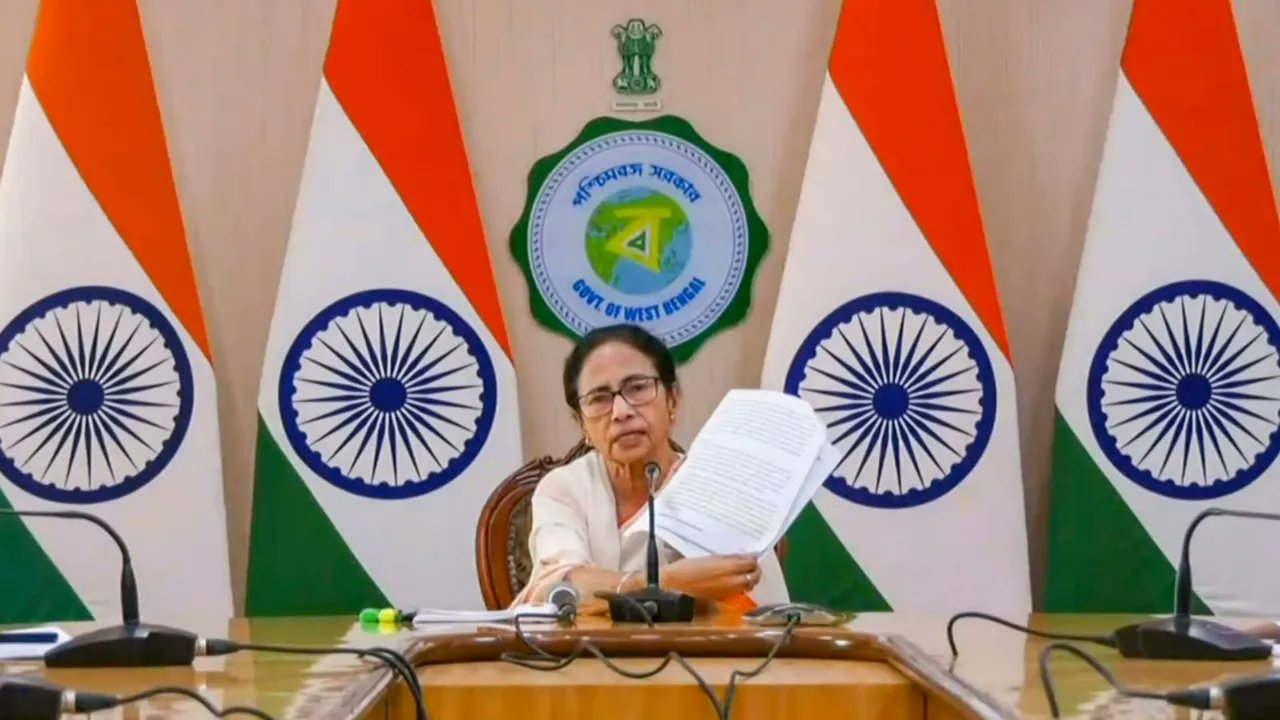
In a press conference held Thursday, Mamata Banerjee addressed the ruling, expressing both her respect for the judiciary and her strong disagreement with the decision. The controversy surrounds the appointments made by the SSC in the wake of allegations regarding irregularities in the recruitment process. These mass appointments, made during the tenure of the previous government, have been a focal point of scrutiny for years.
The Supreme Court’s Verdict: What You Need to Know
The Supreme Court’s ruling came after the Calcutta High Court annulled the appointments, citing discrepancies and alleged malpractice in the recruitment process conducted by the SSC. The decision affects a significant number of educators who were hired for various posts in government schools across West Bengal.
The Court’s decision has sparked outrage among the affected candidates, many of whom were employed in schools for several years. The ruling now mandates that these appointments be revoked, leaving both the teachers and the state’s education system in a state of uncertainty.
Mamata Banerjee’s Response: A Warning for West Bengal’s Education System
Mamata Banerjee, while addressing the media, stated, “As a citizen of this country, I have every right to have an opinion. I respect the judiciary, but I can’t agree with the judgement.” She emphasized that the ruling could have dire consequences for the state’s educational infrastructure. Banerjee expressed concern that the decision could destabilize the education system, as many of the affected educators were well-established in their roles, contributing to the daily operations of schools.
“These are people who have been working in schools for several years. Their sudden dismissal would lead to chaos, particularly at a time when the state is focusing on improving educational standards,” Mamata added.
The Political Dimension: A Battle Between the Government and the Judiciary
Mamata Banerjee’s criticism of the Supreme Court’s verdict also underscores the ongoing tension between the West Bengal state government and the judiciary. This issue forms part of a larger political narrative in the state, where Mamata has frequently expressed concerns about perceived interference from higher judicial authorities in state matters.
Critics of the ruling argue that such judicial interventions could have a cascading effect on the state’s governance. They suggest that this is not the first time that the state government’s policies have faced hurdles from the judiciary, and the ongoing tension raises questions about the independence of the judiciary and its role in regional governance.
Political Reactions and Public Opinion
The ruling has sparked varied reactions from different political quarters. Opposition parties in West Bengal have praised the Supreme Court’s decision, arguing that it will ensure greater transparency and accountability in the recruitment process. They have called for stricter measures to prevent corruption in the recruitment process.
However, supporters of Mamata Banerjee have rallied behind her stance, with many pointing out that the abrupt cancellation of appointments could result in significant disruption for students who depend on these educators for their learning.
One of the key issues is the timing. The teachers in question have already been in their roles for several years, and many have integrated into the community. For students and schools already struggling with staffing shortages, this decision could have a profound impact on the day-to-day functioning of educational institutions.
Legal Experts Weigh In: The Future of SSC Appointments
Legal experts have weighed in on the Supreme Court’s decision, suggesting that while the ruling is legally sound, it may set a difficult precedent. The issue of large-scale cancellations of appointments in the education sector has raised broader questions about the long-term implications for recruitment procedures in West Bengal.
Some legal scholars believe that a fair process should be followed in reassessing the appointments, while others argue that any alleged malpractice should be addressed firmly to ensure integrity in the recruitment process. The ongoing debate points to the need for a comprehensive and transparent system of appointments in the state.
What’s Next for West Bengal’s Education System?
As the dust settles on the controversial ruling, it remains to be seen how the West Bengal government will respond. Mamata Banerjee’s administration has expressed a commitment to resolving the issue in a manner that balances judicial decisions with the need to maintain stability in the education system.
In the coming weeks, we can expect more developments, including possible discussions on how to address the concerns of the affected teachers and how to prevent such issues from arising in the future.
Conclusion: A Complex Issue with Long-Term Implications
The controversy surrounding the Supreme Court’s decision on the cancellation of over 25,000 SSC appointments has highlighted the tension between legal decisions and their practical consequences. As the political and legal landscape continues to evolve, the focus will now shift to finding a balanced resolution that safeguards both the integrity of the recruitment process and the stability of West Bengal’s education system.