
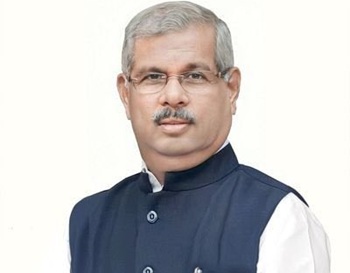
Kerala Governor Arlekar opens up a debate on Supreme Court Overreach on Governor Powers
Kerala Governor Rajendra Arlekar Criticizes Supreme Court Verdict on Governor Powers
In a sharply worded critique, Kerala Governor Rajendra Arlekar has raised serious constitutional questions over the recent Supreme Court verdict against the Tamil Nadu Governor for withholding assent to legislative bills. Arlekar’s comments come amidst growing tension between state governments and their respective governors, particularly in opposition-ruled states like Kerala, Tamil Nadu, and Punjab.
In an interview with a national daily, Arlekar warned against what he termed judicial overreach, questioning whether the Supreme Court was stepping into the domain of constitutional amendments, a task he believes is exclusively Parliament’s prerogative.
“If constitutional amendments are done by the Supreme Court, then why do we need legislatures and Parliament?” Arlekar questioned.
Context: Supreme Court Verdict on Governor Assent Powers
The Governor’s remarks follow a two-judge Supreme Court bench’s verdict in the Tamil Nadu case, where the Governor withheld assent to 10 bills passed by the Tamil Nadu Legislative Assembly. The Court expressed disapproval over long delays by governors in responding to legislative bills, which several state governments argue is being used as a political tool.
The verdict has broader implications, especially for opposition-ruled states, including Kerala, where a similar case involving pending bills was brought before the court by the LDF government.
Arlekar’s Take: Parliament vs Judiciary
Governor Arlekar asserted that setting time limits for gubernatorial assent amounts to altering the Constitution, a move he insists should only be made through formal parliamentary processes requiring a two-thirds majority.
“The Constitution does not stipulate any time frame for the Governor to act on a bill. If the Supreme Court now dictates a timeline, it essentially becomes a constitutional amendment,” he said.
He added that while the judiciary may suggest reforms, mandating timelines through judgments infringes on the legislature’s constitutional authority.
A Wider Political Backdrop
Arlekar’s remarks also arrive in the middle of heightened friction between Governors and opposition-led states. The Pinarayi Vijayan-led LDF government in Kerala, along with other states like Tamil Nadu, Telangana, and Punjab, has repeatedly accused governors of deliberately stalling legislation and meddling in state affairs.
In November, the Kerala Cabinet, along with leaders from other opposition-ruled states, protested at Jantar Mantar in New Delhi, demanding more accountability from governors and less political interference.
Kerala Governor Clarifies Pending Bills Status
Addressing speculation over delays in Kerala, Arlekar clarified that no bills are currently pending in the Kerala Raj Bhavan.
“All bills sent to me have been dealt with. Some were forwarded for Presidential assent. As of now, nothing is pending at Raj Bhavan,” he confirmed.
Governor vs Judiciary: Constitutional Boundaries
The Governor emphasized that judicial directions imposing a timeline on gubernatorial action were not aligned with the Constitution, reiterating that such provisions do not exist in the current legal framework.
While acknowledging the Supreme Court’s concern that bills should not be kept pending indefinitely, Arlekar said the right to assent, withhold, or refer a bill is an executive discretion granted by the Constitution to governors.
“The matter in Kerala is different from Tamil Nadu. In our case, the issue before the Court is not about delay in assent. The Constitution gives the Governor discretion, and that should be respected,” he added.
Criticism of Judiciary’s Own Delays
Turning the spotlight back on the judiciary, Arlekar also criticized the backlog of pending cases in High Courts and the Supreme Court, arguing that if judges can take years to resolve matters, governors may also have valid reasons for taking time.
“There are reasons for delays on both sides. If the judiciary can justify their delays, governors too might have justifications,” he remarked.