
Unveiling Strategic Infrastructure Expansion by 2029
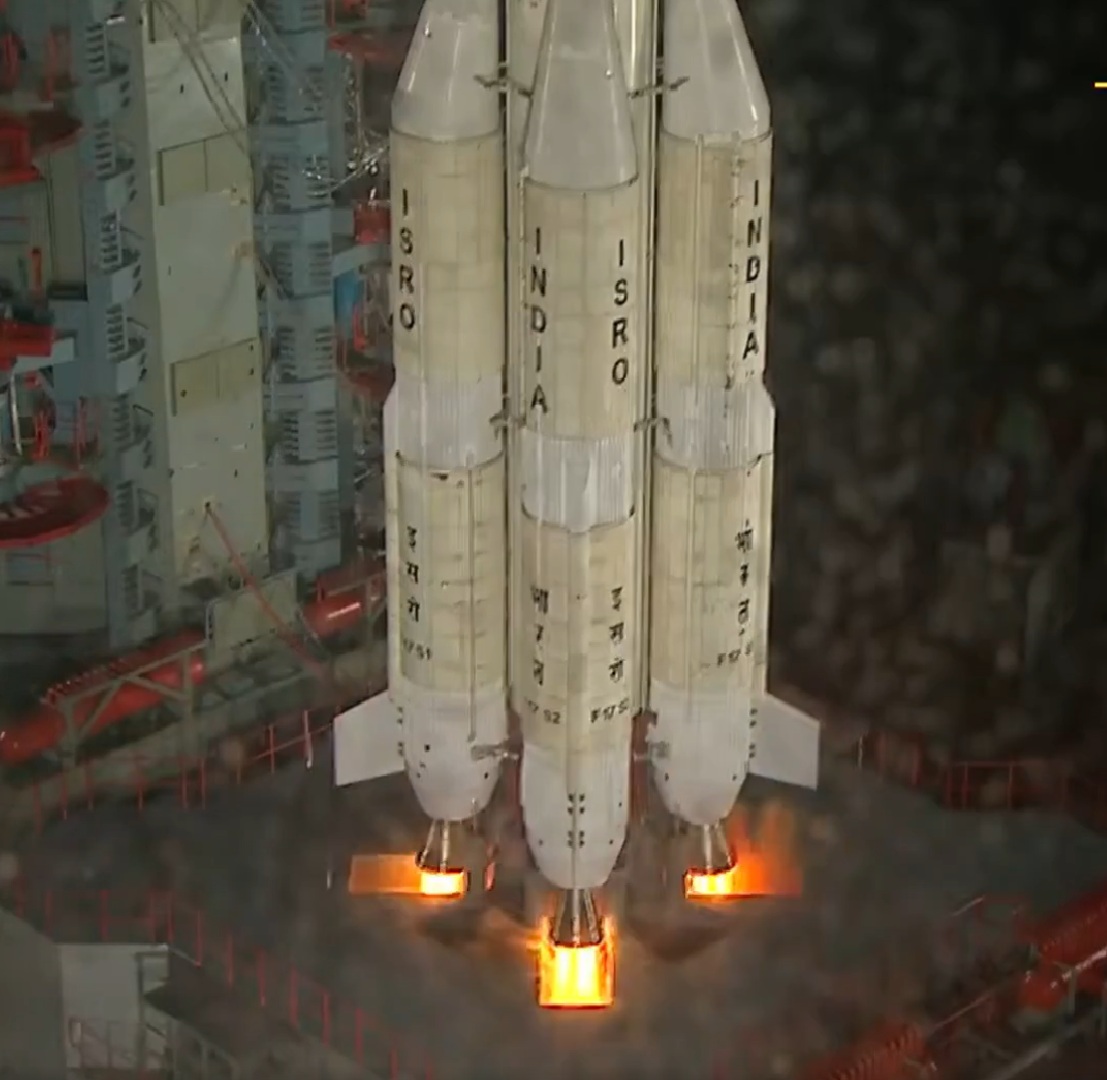
Under comprehensive ISRO expansion plans, Indian Space Research Organisation Chairman V Narayanan announced that the country will operate four fully functional orbital launch pads by 2029. Speaking at an institutional technological summit, the space agency chief detailed upcoming physical and logistical upgrades across national spaceports.
The infrastructure roadmap responds directly to surging global demand for commercial satellite deployments and heavy-lift space transport. Currently, primary orbital operations rely on two active launch pads located at the Satish Dhawan Space Centre in Sriharikota.
To support higher launch frequencies, engineering teams are constructing a third launch pad at Sriharikota optimized for Next-Generation Launch Vehicles (NGLV). The strategic expansion ensures that domestic space missions and international commercial contracts proceed without scheduling bottlenecks.
Kulasekarapattinam Small Satellite Launch Complex
A crucial pillar of the ISRO expansion plans involves developing a specialized 2,000-acre spaceport at Kulasekarapattinam in the Thoothukudi district of Tamil Nadu. Dedicated entirely to the Small Satellite Launch Vehicle (SSLV), the facility provides direct southerly launch trajectories over the Indian Ocean without requiring dog-leg maneuvers around Sri Lanka.
This geographic advantage saves onboard propellant, allowing rockets to carry heavier commercial payloads into polar low-Earth orbits. Construction workers are finalizing launch control centers, propellant storage tanks, and vehicle assembly buildings at the Tamil Nadu site.
Also Read : https://indiathisweek.in/india/indian-army-observes-infantry-day-land-warfare-doctrine/
Once fully operational, the Kulasekarapattinam spaceport will handle up to 24 commercial SSLV launches annually, serving private satellite constellations and international scientific partnerships.
ISRO Expansion Plans Drive Commercial Sector Growth
Driven by ambitious ISRO expansion plans, India’s commercial space arm, NewSpace India Limited (NSIL), is expanding commercial operations globally. Private space sector participation has grown significantly following regulatory reforms overseen by IN-SPACe.
Domestic aerospace manufacturers now produce major rocket components, allowing ISRO engineers to focus on deep-space exploration and human spaceflight programs like Gaganyaan. Chairman Narayanan confirmed that heavy-lift launch vehicle development continues on schedule, aiming to double payload capacities into geostationary transfer orbits.
The expansion positions India as a highly competitive, cost-effective hub for global satellite constellation deployments.
Future Spaceflight and Planetary Exploration Missions
The broader framework of ISRO expansion plans aligns with national long-term space exploration targets, including establishing the Bharatiya Antariksha Station by 2035. Upgraded launch pad logistics provide essential foundation capacity for orbital module assemblies and crewed missions.
Furthermore, upcoming planetary exploration missions to the Moon and Mars require dedicated launch windows that four active launch pads will easily accommodate. Space analysts praise the infrastructure investments, noting that expanding physical launch capacity ensures long-term leadership in the global commercial space economy.