
RTI Disclosure Denied Citing Intellectual Property
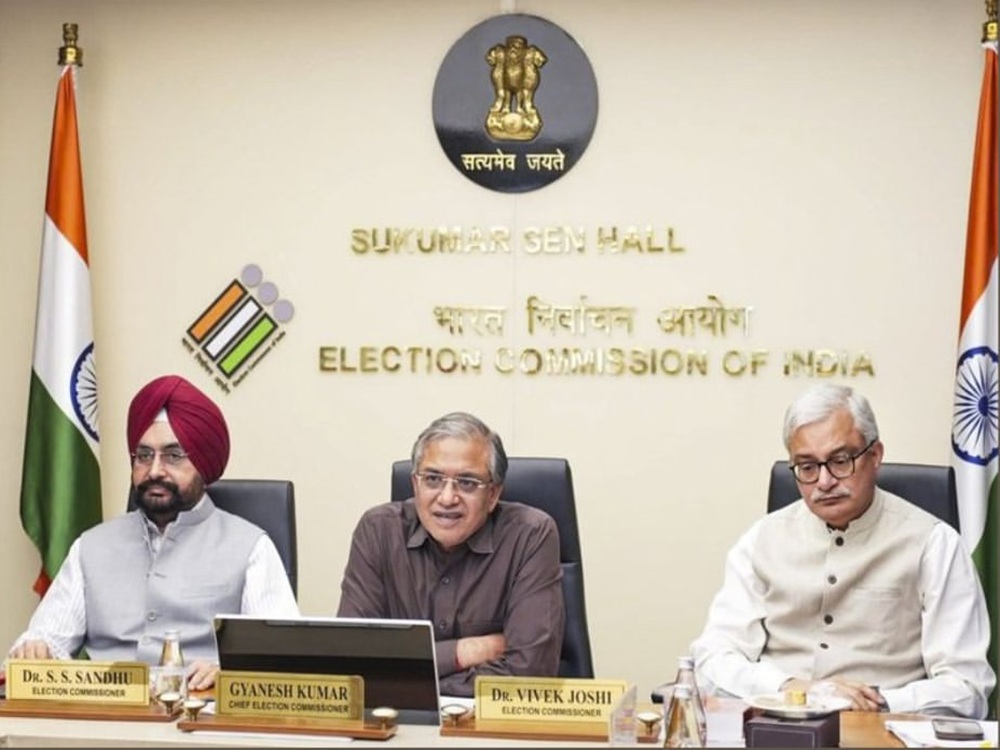
The decision where the Election Commission keep SIR software technical details confidential has drawn attention following official responses to Right to Information applications. The Election Commission of India declined to reveal the specific name, source code, and version details of the software used during the Special Intensive Revision (SIR) exercise.
In its formal response, the polling body cited Section 8(1)(d) of the RTI Act, which exempts information regarding commercial confidence, trade secrets, and intellectual property. The automated software was deployed across multiple states to identify duplicate entries, logical errors, and photo anomalies in draft electoral rolls.
Commission officials stated that withholding technical specifications protects system integrity against unauthorized external manipulation.
Also Read : https://indiathisweek.in/entertainment/tiger-shroff-firing-investigation-progress/
Automated Error Identification and Roll Integrity
Explaining why the Election Commission keep SIR software operational parameters protected, election managers highlighted the scale of voter list verification. The algorithmic tool processes millions of voter profiles to detect spelling variations, demographic mismatches, and unlinked death records.
Field verification teams use output logs generated by the system to conduct physical door-to-door checks before publishing finalized electoral lists. Commission representatives emphasized that public scrutiny remains fully supported through draft roll publications and physical claim-and-objections periods.
Maintaining software confidentiality ensures that commercial vendors providing cybersecurity framework tools can protect their proprietary algorithms.
Governance Transparency Debate and Legal Rules
The choice where the Election Commission keep SIR software technical specifications exempt from public RTI disclosure has sparked debates among transparency advocates. Civic groups argue that sharing algorithmic auditing metrics enhances public confidence in automated electoral management tools.
Conversely, legal experts point out that statutory RTI exemptions explicitly safeguard proprietary technology and critical digital infrastructure. The Election Commission reaffirmed that voter registration processes remain open, transparent, and accessible to all eligible citizens nationwide.