
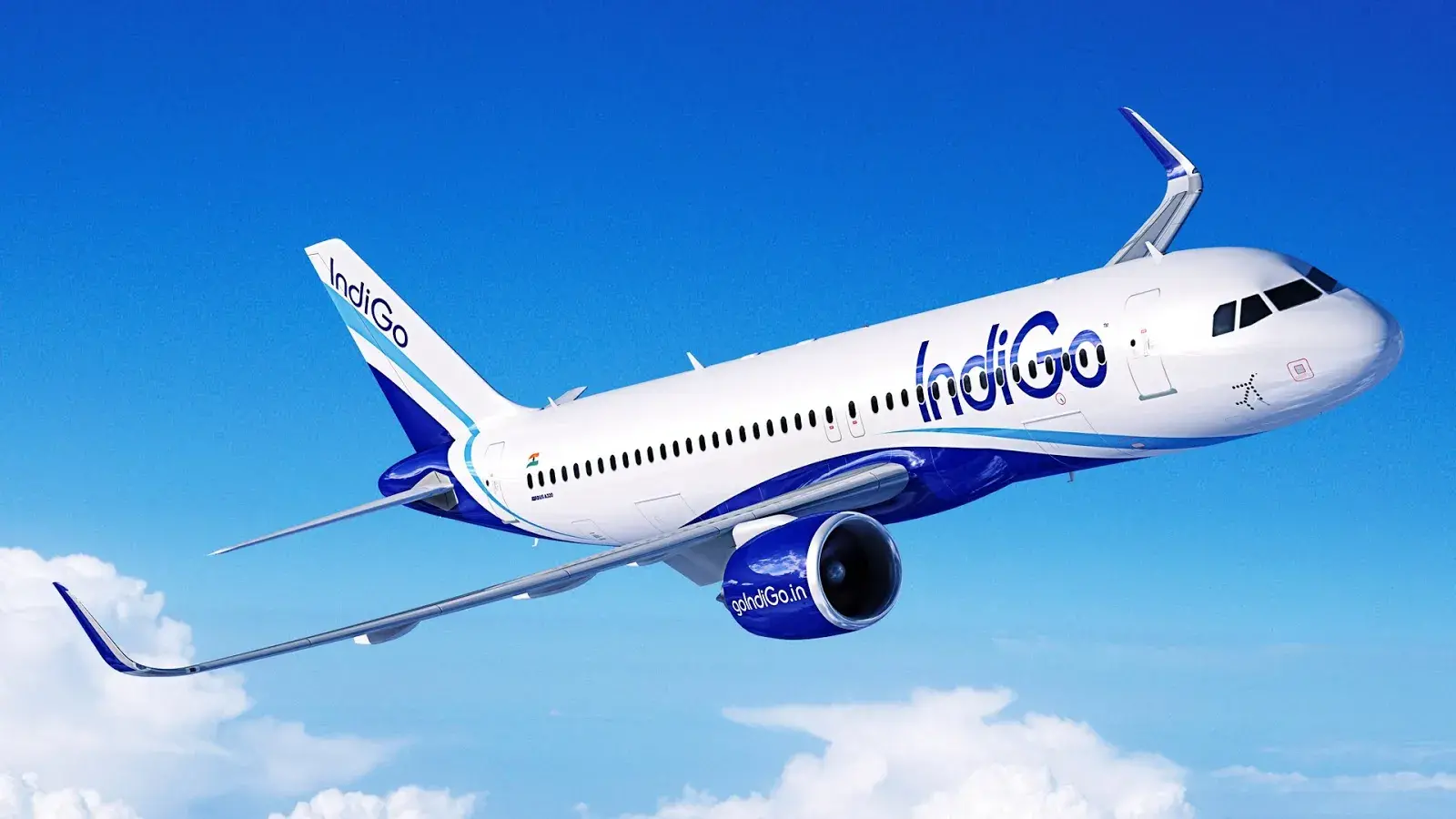
IndiGo Gets Final DGCA Nod to Operate Turkish Airlines Jets Till August Amid Rising India-Turkey Tensions
New Delhi: The Directorate General of Civil Aviation (DGCA) has issued a final and non-renewable three-month extension to IndiGo for operating two wide-body Boeing 777 aircraft leased from Turkish Airlines. The lease, previously set to expire on May 31, 2025, has now been extended until August 31, following an undertaking by IndiGo to terminate the agreement within this window.
The move comes amid escalating geopolitical tensions between India and Turkey, including growing domestic calls to boycott Turkish entities over their perceived alignment with Pakistan during recent cross-border tensions and military operations.
Why the DGCA Stepped In
IndiGo had requested a six-month extension to continue its damp lease—an arrangement in which Turkish Airlines provides aircraft, pilots, and maintenance, while IndiGo supplies cabin crew—for its key Delhi-Istanbul and Mumbai-Istanbul routes. However, the aviation regulator rejected the full-term extension, citing both regulatory compliance and rising political sensitivities.
“A one-time, last and final extension of three months has been granted to IndiGo based on their undertaking to terminate the lease by August 31. No further extensions will be allowed,” a senior DGCA official confirmed.
Behind the Lease: High Demand and Operational Advantage
The leased Boeing 777-300ER aircraft, which have over 500 seats each, have been instrumental in meeting the high demand on the India-Turkey route. Compared to IndiGo’s narrow-body Airbus A320neo and A321neo jets, these wide-body planes allow the airline to carry more passengers efficiently, especially for long-haul transit traffic via Istanbul.
However, with the DGCA decision, IndiGo must now pivot either to smaller aircraft or explore alternate wide-body leasing options to maintain its global connectivity strategy.
Rising Political Heat: The Turkey Factor
The lease controversy is unfolding in the broader context of strained India-Turkey relations. Ankara’s vocal support for Pakistan during the India-Pakistan conflict and Turkey’s supply of drones reportedly used by Pakistan in military operations have sparked significant backlash within India.
Adding fuel to the fire, the Indian government recently revoked security clearances for Celebi, a Turkey-based ground handling firm operating at Indian airports. This has led to speculation that the government may begin to scale down or sever commercial ties with other Turkish aviation entities as well.
IndiGo’s Response and Future Plans
Despite the political noise, IndiGo maintains that all its operations with Turkish Airlines fall strictly within the framework of the bilateral air service agreement between India and Turkey.
“These flights are compliant with Indian aviation laws and the India-Turkey air service agreement,” said IndiGo CEO Pieter Elbers during a recent investor call. “We have plenty of Indian customers booked on these flights, most of them using Istanbul as a transit hub to Europe and beyond.”
Elbers also confirmed that contingency plans are in place. “We always have fallback options. In the past, we’ve used our own narrow-body aircraft on this route, and we’re exploring wide-body aircraft alternatives to continue serving high-demand markets,” he added.
What This Means for Travelers
While the immediate threat of flight disruptions is averted, passengers flying between India and Turkey, or transiting through Istanbul, should prepare for potential changes in aircraft and service levels from September onward.
IndiGo is expected to redeploy its narrow-body fleet or bring in wide-body aircraft from other lessors, potentially affecting flight schedules, capacity, and fares.
Industry Outlook and Political Implications
The DGCA’s firm stance indicates a tighter regulatory and geopolitical alignment in India’s aviation policy. The damp lease decision, though officially linked to regulatory compliance, sends a clear signal that commercial arrangements with politically contentious partners will face greater scrutiny.
With the India-Turkey air service agreement allowing 56 flights a week without a cap on passenger seats, the choice of aircraft becomes a critical strategic decision for IndiGo moving forward. Larger aircraft mean more revenue, but political alignments may soon dictate operational realities more than market demand.