
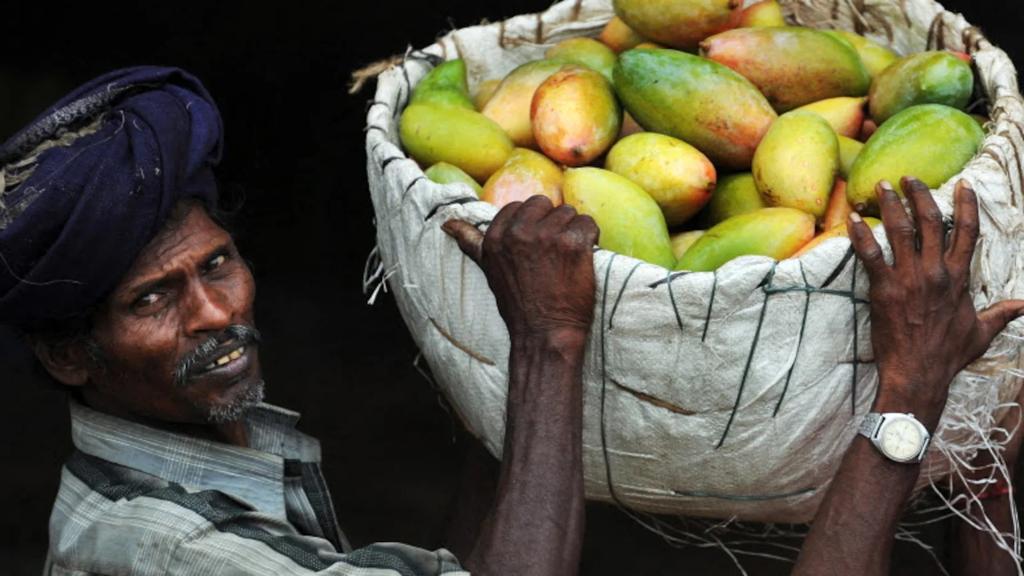
Indian mango exports have hit another roadblock after Nepal temporarily suspended imports of mango consignments, following reports of pesticide residues exceeding permissible safety limits. The move marks a fresh challenge for Indian mango exports, coming shortly after Japan imposed separate restrictions on shipments due to compliance-related issues.
The development has once again brought global attention to quality control standards in Indian mango exports, especially as India remains one of the world’s largest producers of premium mango varieties.
Nepal tightens checks on mango imports
Officials in Kathmandu confirmed that the suspension was introduced after quarantine inspections flagged several consignments failing to meet Maximum Residue Limit (MRL) standards. The decision is part of regulatory oversight aimed at ensuring food safety compliance.
Authorities clarified that the step is not intended to harm trade relations but is a precautionary measure. However, the latest disruption in Indian mango exports has raised concerns among exporters, especially as nearly 15.8 metric tonnes of mangoes had already entered Nepal before the restriction.
Japan also imposed earlier restrictions
The setback in Nepal follows a recent decision by Japan, which suspended imports of Indian mangoes over phytosanitary concerns. Unlike Nepal’s pesticide-related issue, Japan’s action was linked to pest-control and disinfection compliance at treatment facilities.
Also read : UPSC CSE Prelims 2026 Result Expected Soon; Over 5.49 Lakh Candidates Await Outcome
The restrictions affected popular Indian varieties such as Alphonso, Kesar, Langra, and Banganapalli, further impacting Indian mango exports in key international markets.
Impact on traders and local markets
In Nepal, mango markets in regions like Janakpurdham continue to rely heavily on domestic production. Districts including Saptari, Siraha, Mahottari, Dhanusha, and Sarlahi supply over 50 tonnes of mangoes daily during peak season.
Traders, however, say that local supply is seasonal and cannot fully replace imports. The recent disruption in Indian mango exports has created uncertainty among vendors and importers, who fear supply shortages in the coming weeks.
Global demand for Indian mangoes remains strong
Despite challenges in select markets, Indian mango exports continue to perform strongly globally. Premium Indian mango varieties remain in high demand across Europe, North America, and West Asia.
Air India recently reported transporting over 1,000 tonnes of mangoes to international destinations, highlighting the continued global popularity of Indian produce. However, repeated regulatory hurdles in certain countries underline the need for stricter compliance standards in Indian mango exports to maintain long-term trade stability.