
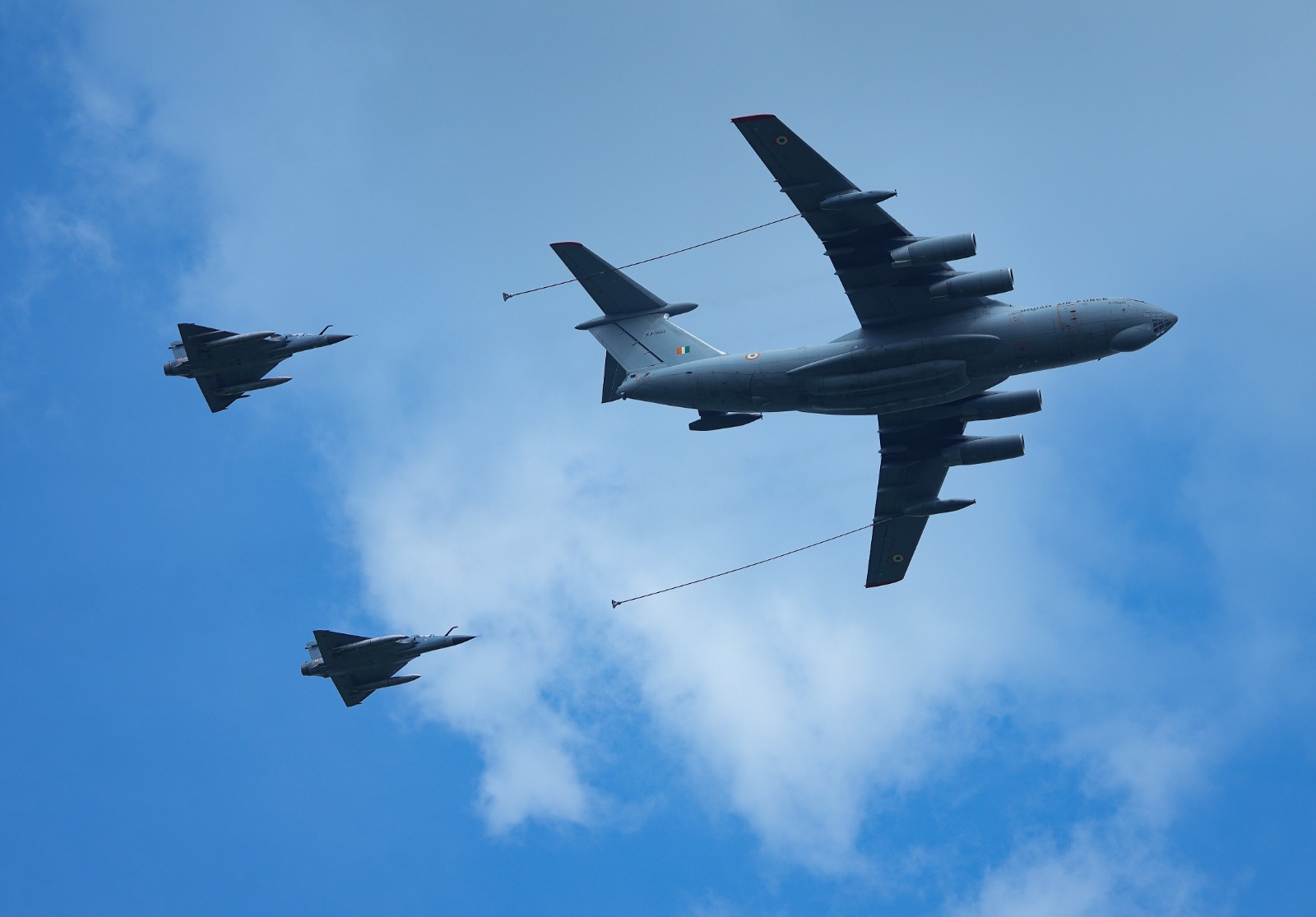
IAF Chief Meets PM Modi Amid Rising India-Pakistan Tensions Over Pahalgam Attack
Air Force Chief Meets PM Modi as India-Pakistan Tensions Surge Over Pahalgam Attack
As tensions between India and Pakistan intensify in the wake of the deadly terror attack in Jammu and Kashmir’s Pahalgam, Chief of Air Staff Air Chief Marshal A P Singh met Prime Minister Narendra Modi at his official residence on Sunday. The high-level meeting follows a similar briefing by Navy Chief Admiral Dinesh K Tripathi, underscoring the gravity of the security situation and India’s growing readiness to respond to cross-border threats.
High-Level Defence Briefings Signal Heightened Readiness
The meeting between Air Chief Marshal Singh and PM Modi took place just a day after Navy Chief Tripathi met the Prime Minister to discuss security developments in the Arabian Sea, an area now under increased surveillance. These back-to-back military briefings signal a coordinated strategic review in the wake of the April 22 terror attack in Pahalgam, where 26 civilians—many of them tourists—lost their lives.
While the official readout from the Sunday meeting is still awaited, sources suggest that the discussion centered around enhancing air defence preparedness and intelligence-sharing mechanisms to counter potential cross-border threats. The Indian Air Force (IAF) is believed to be on high alert, monitoring airspace and military installations across the western sector.
The Pahalgam Attack: Trigger for Diplomatic Fallout
The deadly Pahalgam terror strike has become a flashpoint in already strained India-Pakistan relations. Indian intelligence agencies have alleged clear cross-border links, suggesting that the attack was orchestrated with the support of Pakistan-based terror groups.
In response, New Delhi has implemented a series of unprecedented punitive measures, including:
- Suspension of the 65-year-old Indus Waters Treaty
- Closure of the Attari land border crossing
- Visa cancellations and expulsion of Pakistani military attaches
- Airspace shutdown for Pakistani aircraft
- Import and mail bans, as well as restrictions on Pakistani shipping vessels
These steps reflect India’s firm stance on holding Pakistan accountable for backing terrorism and disrupting regional peace.
Strategic Coordination at the Highest Levels
In the days following the Pahalgam attack, Prime Minister Modi also convened a high-level meeting attended by Defence Minister Rajnath Singh, Chief of Defence Staff Gen Anil Chauhan, National Security Advisor Ajit Doval, and the heads of all three armed services. This comprehensive engagement indicates a whole-of-government approach to tackling the crisis, integrating military strategy with diplomatic and economic responses.
Sources within the defence establishment indicate that discussions covered a wide array of security measures, including:
- Enhancing border surveillance
- Strategic air and naval mobility drills
- Increased intelligence-sharing across agencies
- Pre-emptive counterterrorism operations in high-risk zones
Pakistan’s Retaliatory Moves
Pakistan, meanwhile, has responded with symbolic retaliatory measures, including the suspension of the Simla Agreement, a foundational diplomatic accord between the two nations. However, experts say Islamabad has been cornered internationally, with limited room for maneuver amid growing pressure to crack down on terror infrastructure within its borders.
The United Nations and several Western governments have condemned the Pahalgam attack, urging restraint but backing India’s right to defend its sovereignty.
What Lies Ahead
With the IAF and Indian Navy playing increasingly active roles in national security strategy, the military’s coordination with top leadership highlights India’s resolve to respond firmly to any future threats. Analysts believe the coming weeks may see intensified surveillance, enhanced military exercises, and possibly targeted counter-terror measures depending on further developments.
Air traffic, trade, and diplomatic ties between the two nations remain suspended, and the possibility of escalation—though being diplomatically managed—cannot be ruled out.