
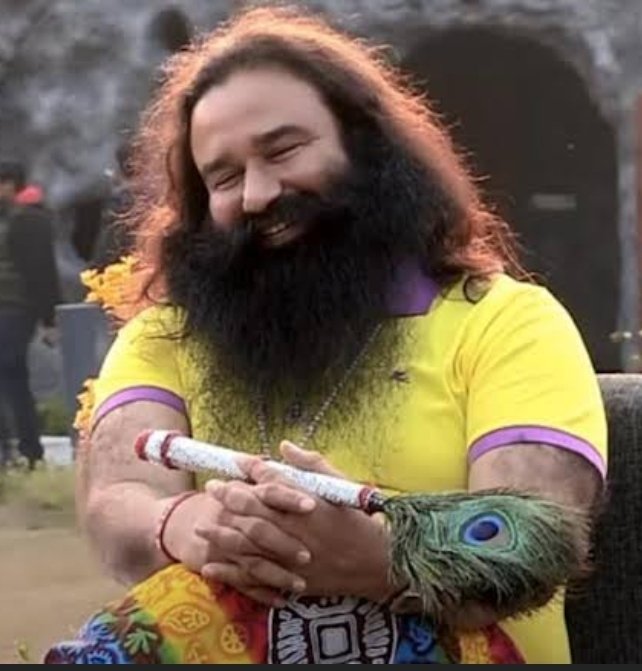
CHANDIGARH — The Haryana government officially approved a fresh 30-day temporary release for incarcerated Dera Sacha Sauda chief Gurmeet Ram Rahim Singh on Tuesday, May 26, 2026. This latest development marks the 16th time the controversial sect leader has walked out of prison since his initial conviction. Following the swift completion of essential administrative formalities, the high-profile prisoner exited Rohtak’s Sunaria jail under heavy police escort. A massive security convoy consisting of state paramilitary and local police vehicles accompanied him directly to his sprawling headquarters in Sirsa.
🚨 OUT OF JAIL AGAIN: Jailed #DeraSachaSauda chief Gurmeet Ram Rahim walks out of Sunaria prison on a fresh 30-day #GurmeetRamRahimParole! 🚔 This marks his 16th release since 2017. He will spend the month under heavy security at his Sirsa headquarters. #RamRahim #HaryanaNews… pic.twitter.com/fMnVeHFhfP
— India This Week (@indiathisweekk) May 26, 2026
The ongoing cycle of temporary releases continues to attract intense national debate regarding the equitable application of judicial manuals. Legal representatives and Dera spokespersons, however, maintain that the current Gurmeet Ram Rahim parole aligns entirely with state prisoner codes. According to prison records, the controversial preacher is designated as convict number 8647/C. Out of his total sentence duration so far, the influential leader has spent a cumulative total of more than 400 days outside the structural confines of the Rohtak prison facility.
Also Read : CM Mann Welcomed Rajmohinder Singh Majitha, Heminder…
Exhausting Annual Limits Under Local Prisoner Statutes
The timing of the current release has drawn extensive scrutiny from legal experts and human rights organizations alike. Under the strict provisions of the Haryana Good Conduct Prisoners (Temporary Release) Act, convicts are legally entitled to 70 days of parole per calendar year. Because the Dera chief already availed a 40-day release period earlier in January, this fresh 30-day window fully exhausts his legal parole quota for the entire 2026 cycle. Moving forward, the inmate is left with only 21 days of potential furlough remaining before the year concludes.
To preserve regional public safety, the Sirsa district administration has implemented highly restrictive operational rules during his stay. Although the chief is permitted to reside within his central ashram, local authorities have strictly prohibited large-scale physical congregations of his followers. Instead, the sect leader is heavily relying on digital communication platforms to address his massive devotee base virtually. Additional police checkpoints have also been erected around the perimeter of the headquarters to monitor vehicle movements and prevent unauthorized public assemblies.
Shifting Convictions and Evolving Judicial Scrutiny
The background of the inmate features a complex web of severe criminal trials and notable recent high court interventions. Originally, a special Central Bureau of Investigation (CBI) court in Panchkula sentenced him to 20 years of rigorous imprisonment in August 2017 for sexually assaulting two female disciples. While he subsequently received life sentences for involvement in separate murder conspiracies, his broader legal matrix changed significantly earlier this year. Specifically, the Punjab and Haryana High Court acquitted him in the high-profile 2002 journalist murder case, citing deep gaps in the initial probe.
Despite these critical legal acquittals, the frequent granting of the Gurmeet Ram Rahim parole continues to encounter fierce opposition from civil rights advocates. Activists argue that passing regular temporary releases to a high-profile rape convict sets a concerning precedent for judicial accountability. Conversely, state administrators reiterate that temporary freedom remains a routine statutory right accessible to all individuals exhibiting good institutional behavior inside barracks. As the suspect settles into his Sirsa headquarters, state tracking teams remain fully deployed to ensure complete adherence to all safety mandates until his scheduled return on June 24.
Conclusion: Balancing Judicial Rights with Public Accountability
Ultimately, the structural management of high-profile inmates tests the transparency of regional correctional systems. The administrative decision behind the latest Gurmeet Ram Rahim parole highlights the delicate intersection of standard legal provisions and public perception. While the Dera administration celebrates the return of their leader to Sirsa, the broader conversation regarding prison equity remains highly fractured. Moving forward, the state’s capacity to monitor the situation without compromising local law and order will determine the integrity of the judicial process.