
Going forward your AC Can’t go below 20°C, here’s why
Govt to Limit AC Temperature Range Between 20°C and 28°C in Landmark Energy Efficiency Move
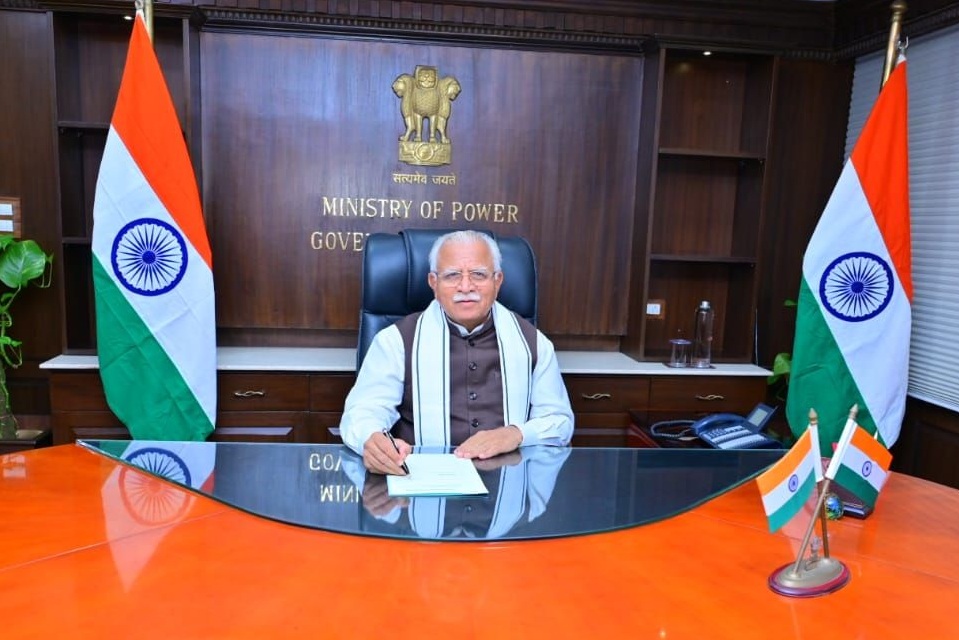
In a major policy shift aimed at tackling excessive energy consumption and climate change, the Government of India is set to implement a new regulation that will restrict air conditioner (AC) temperature settings. Users will no longer be allowed to cool below 20 degrees Celsius or heat above 28 degrees Celsius, Union Minister for Housing and Urban Affairs Manohar Lal Khattar announced on Tuesday.
The move is part of a larger push to standardise temperature usage in air conditioning systems across residential, commercial, and transport sectors. Officials believe this step will significantly improve energy efficiency, help manage peak electricity demand, and bring economic and environmental benefits.
Why the 20°C–28°C AC Temperature Regulation?
Addressing a press briefing, Khattar described the initiative as a “first-of-its-kind experiment” in India. “This temperature range will become the new norm. We are introducing this for uniformity and to curb the excessive use of cooling that burdens power infrastructure,” he said.
The new regulation is a response to:
- Rising electricity consumption due to extreme AC settings
- Climate change concerns
- Increased demand during peak summer months
- The need for sustainable cooling solutions
Currently, most ACs available in India allow temperatures as low as 16°C or as high as 30°C. The new rule will override those default settings, enforcing a national temperature standard across all sectors, including private homes, offices, malls, and even vehicle AC systems.
Impact on Consumers and the Environment
Experts say this policy will bring several benefits:
- Energy Savings: Standardising AC usage is expected to significantly reduce overall power consumption.
- Lower Electricity Bills: Households and businesses will likely see a reduction in monthly energy costs.
- Climate Action: With fewer emissions linked to power generation, this initiative supports India’s climate commitments under the Paris Agreement.
- Extended AC Lifespan: Moderate usage can prevent wear and tear on air conditioning units.
Additionally, the move aligns with the Bureau of Energy Efficiency (BEE) 2020 guideline that mandates a default AC setting of 24°C in star-labelled room and car ACs.
How Will It Be Implemented?
The new mandate will be implemented in phases, starting with central and state government offices, public buildings, and large commercial establishments. Eventually, AC manufacturers will be required to restrict temperature settings in accordance with the policy.
A compliance mechanism will be introduced, and the policy may be further refined based on feedback during its initial rollout.
Industry Response and Challenges Ahead
While the intention behind the policy is widely appreciated, some industry experts have expressed concerns:
- Consumer Freedom: Limiting temperature range may face resistance from users who are accustomed to lower or higher settings.
- Retrofitting Old Units: Implementation on existing AC units could be complex and costly.
- Monitoring Compliance: Enforcing the regulation in private households may prove challenging.
However, sustainability experts have largely welcomed the step. “It’s a bold move. Behavioural change in energy usage is key to long-term climate resilience,” said a senior energy analyst at TERI.
India’s Broader Climate Strategy
This AC temperature regulation is part of India’s broader plan to reduce carbon emissions and transition towards energy-efficient technologies. Other initiatives include:
- Incentives for energy-efficient appliances
- Promotion of green building codes
- Phased transition to electric mobility
- Renewable energy targets of 500 GW by 2030
As summers get hotter and energy demand continues to surge, such adaptive cooling policies will play a crucial role in India’s sustainable future.