
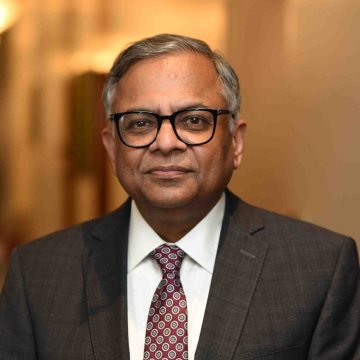
Political corridors in New Delhi are buzzing with intense speculation about a major Cabinet reshuffle. Industry stalwart N Chandrasekaran recently resigned as chairman of Tata Sons. Now, leaders discuss Ex-Tata Sons chairman Chandrasekaran as Union Minister for a heavyweight portfolio. Prime Minister Narendra Modi may consider him during the expected Council of Ministers overhaul.
No official confirmation exists yet regarding these high-level political talks. However, key political figures confirm that discussions are active in power circles. Many suggest Chandrasekaran could take over a crucial portfolio. Speculation strongly links him to a corporate ministry or the Education Ministry.
Key Factors Supporting Chandrasekaran’s Ministerial Consideration
| Metric / Parameter | Status & Detail | Strategic Impact |
| Current Age | 63 Years Old | Fits comfortably below the standard 75-year threshold for key appointments. |
| Corporate Background | Ex-Chairman, Tata Sons | Brings four decades of enterprise execution and industry credibility. |
| Target Portfolios | Education or Corporate Affairs | Offers technical oversight for crucial national infrastructure projects. |
| Governance Approach | High-Level Lateral Entry | Aligns with the administration’s preference for expert-led reform drives. |
Also Read : Gold Price Prediction $50000: Billionaire Thomas Kaplan Calls 10x Surge Inevitable
Departure from Tata Sons Sparks Strategic Questions
Chandrasekaran announced his decision on August 12, 2026, after board support for a five-year extension fell short. He confirmed that he will not seek reappointment after his term ends. This unexpected move created a leadership shift inside the salt-to-aviation conglomerate.
At 63 years old, Chandrasekaran fits comfortably within government hiring norms. He remains well below the standard 75-year age threshold followed for major Bharatiya Janata Party (BJP) appointments. Consequently, political analysts view his corporate exit as an opportunity for central governance.
Profile of N Chandrasekaran’s Transition
| Stage | Milestones & Context | Key Takeaway |
| Corporate Career | Spent 40 years across TCS and Tata Group leadership | Developed deep expertise in technology and industrial expansion. |
| Tata Sons Exit | Stepped down following lack of unanimous board consensus | Cleared his timeline for major external public roles. |
| Potential Political Entry | Positioned for Ex-Tata Sons chairman Chandrasekaran as Union Minister | Signals potential administrative modernization in key ministries. |
Education Reform Demands Corporate Expertise
Education governance has faced significant structural challenges in recent years. Prime Minister Modi recently appointed former Infosys co-founder Nandan Nilekani to lead a High-Powered Committee on exam reforms. This decision followed widespread student protests at Jantar Mantar.
Nilekani’s prominent role adds weight to talks about lateral entries into government. The administration clearly seeks domain experts to streamline critical national systems. Therefore, appointing an Ex-Tata Sons chairman Chandrasekaran as Union Minister aligns with this broader reform strategy.
Lateral Entry Comparison in Central Governance
| Expert Leader | Background | Designated Role | Primary Objective |
| Nandan Nilekani | Co-Founder, Infosys | Chairman, High-Powered Committee | Overhaul national examination systems and structural testing integrity. |
| N Chandrasekaran | Former Chairman, Tata Sons | Proposed Union Cabinet Minister | Modernize administration and execute large-scale institutional projects. |
Frequent Changes Highlight Need for Stability
The Education Ministry has seen frequent leadership transitions over twelve years. Four ministers have previously led the portfolio, including Smriti Irani, Prakash Javadekar, Ramesh Pokhriyal, and Dharmendra Pradhan. Each minister eventually departed due to administrative challenges.
Leadership Timeline in the Education Ministry
| Former Education Minister | Tenure Period | Context of Exit |
| Smriti Irani | Early Modi Administration | Reassigned during Cabinet portfolio reshuffle. |
| Prakash Javadekar | Mid-Term Administration | Replaced during broader institutional restructuring. |
| Ramesh Pokhriyal | Policy Overhaul Phase | Stepped down during major administrative changes. |
| Dharmendra Pradhan | Subsequent Tenure | Departed following paper leak controversies and protests. |
| Pralhad Joshi | Current Term | Managing portfolio under interim charge. |
Former minister Dharmendra Pradhan recently stepped down following student protests over the NEET-UG 2026 paper leak episode. Currently, Pralhad Joshi manages the portfolio as an interim measure. Observers now watch closely to see if Prime Minister Modi chooses a corporate veteran like Ex-Tata Sons chairman Chandrasekaran as Union Minister to establish long-term institutional stability.