
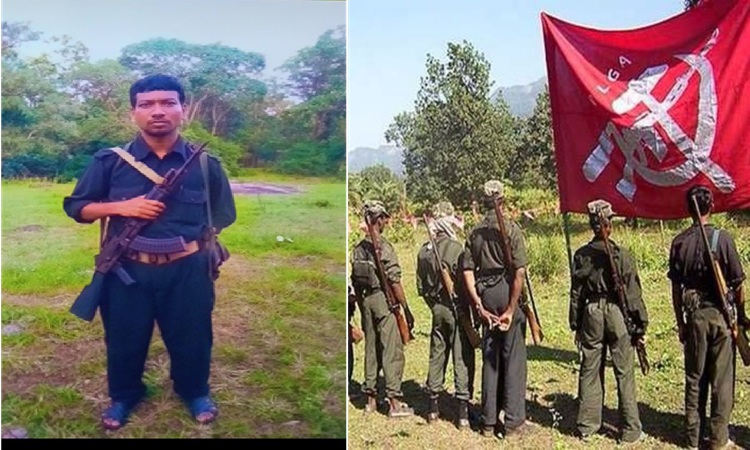
With Hidma Gone, Forces Move Toward Final Phase of Anti-Naxal Operations
With top Maoist commander Madvi Hidma now eliminated, security forces believe they are entering the final phase of the decades-long fight to end Naxalism in India. Hidma, long considered the mastermind behind some of the deadliest ambushes, was killed in a major encounter earlier this month. Moreover, officials say his death has shaken the CPI (Maoist) leadership and fractured the organisation’s remaining command structure.
Security officials emphasise that the mission, however, remains unfinished. They say the final objective will only be achieved when two senior Maoist figures—Devuji and Ganesh Ukey—are located and neutralised. Both men are seen as the symbolic pillars holding together the last fragments of an insurgency that has already lost territory, manpower and public support.
Moreover, the recent success against Maoist units has boosted morale across the security grid. Officials say that sustained intelligence-based operations helped deliver one of the most significant counter-insurgency achievements in recent years.
Hidma’s Death Weakens Maoist Network Across Core Zones
Hidma was considered one of the most dangerous Maoist commanders. He led multiple attacks in Chhattisgarh, including major ambushes targeting CRPF units. Moreover, his battlefield intelligence and ability to mobilise cadres made him central to the Maoist armed wing.
Officials say the encounter that killed him has left the group psychologically unsettled. Many units that once operated under his command are now scattered. Additionally, without Hidma’s coordination, Maoist groups are functioning as isolated clusters with limited operational capability.
Security agencies believe this shift presents a critical window to dismantle the network completely. Moreover, they say that intelligence inputs are pointing toward the current locations of Devuji and Ukey, raising expectations of further operations.
Devuji: The Last Ideologue of a Fading Movement
Devuji, now in his mid-sixties, is viewed as one of the last remaining links to the classical Maoist movement. He joined during a period when the insurgency had political momentum and organisational discipline. Moreover, he once held positions across multiple committees and shaped ideological strategy.
However, officials say that age and declining health have reduced him to a symbolic figurehead. His mobility is extremely limited. Additionally, he remains restricted to dense forest patches where he provides a moral anchor to younger cadres. Intelligence reports suggest that he rarely participates in strategic planning. Instead, he offers ideological guidance and acts as a living connection to the movement’s origins.
Despite this diminished role, officials emphasise that his presence continues to inspire loyalty among a small group of committed cadres. Moreover, they believe that removing him will break the last emotional connection many insurgents have with the movement.
Ganesh Ukey: Administrator of a Crumbling Network
The second key figure, Ganesh Ukey, rose through the ranks as an administrator. He once handled logistics, finances and communication channels across core Maoist formations. Moreover, he played a crucial role in ensuring the operational flow of information between units.
However, his long underground life has taken a severe toll. Officials say that Ukey’s mobility has shrunk significantly. Additionally, communication channels that he once maintained are now largely inactive. This has weakened the group’s ability to coordinate attacks or sustain extended field operations.
Security officials argue that neutralising Ukey will collapse what remains of the Maoists’ administrative backbone. Moreover, with his network already eroded, they say capturing or eliminating him is necessary to complete the mission.
Security Forces Prepare for ‘Final Nail in the Coffin’
Officials say that recent victories were driven by precise intelligence gathered across multiple states. Moreover, they believe that current efforts are bringing them close to “the final nail in the coffin” of the Maoist movement.
The intelligence buildup points to possible operations against both Devuji and Ukey in the coming weeks. Additionally, the forces are using advanced surveillance tools to track movements across known Maoist corridors.
Security agencies also note that public support for Maoists has declined sharply. Development projects in affected districts and improved road links have reduced the insurgents’ influence. Moreover, surrenders have increased as cadres see dwindling leadership and shrinking safe zones.
Officials say that the elimination of the last two commanders would dismantle the ideological and administrative remnants of the CPI (Maoist) network. Additionally, they believe it would bring India closer than ever to ending the insurgency.