
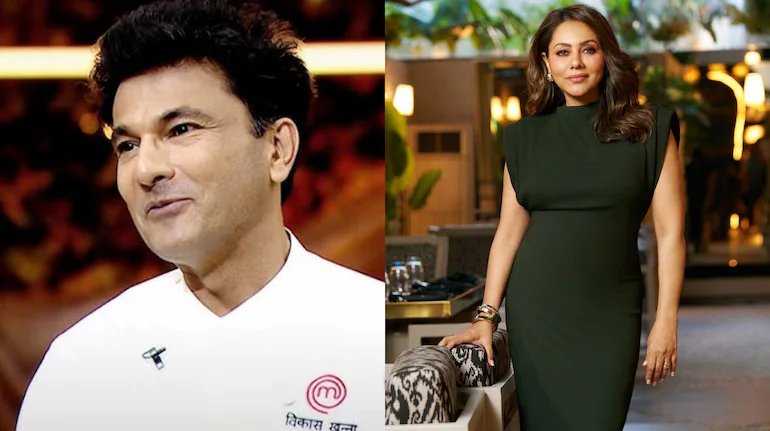
Chef Vikas Khanna stands up for Gauri Khan’s Torii during the ‘Fake Paneer’ debate
Mumbai: Celebrity chef Vikas Khanna has stepped in to defend Gauri Khan’s upscale restaurant Torii, following a viral controversy over claims of serving “fake paneer.” The issue flared up after content creator and food reviewer Sarthak Sachdeva posted a video on social media alleging that the paneer at Torii was adulterated, citing an iodine test he performed on-site.

In the now-removed video, Sachdeva showcased an iodine test in which the paneer allegedly changed to a blue-black color, suggesting the presence of starch — an alleged indicator of synthetic paneer. The video rapidly gained popularity online, raising concerns regarding the authenticity of food served in upscale restaurants.
Torii’s Clarification on fake paneer
Responding to the allegations, Team Torii issued a clarification, stating that the dish in question used soy-based ingredients, not traditional paneer. They explained that starch is a natural component in many plant-based products and that the iodine test results were misinterpreted.
“We do not serve synthetic paneer. The dish in question used soy-based ingredients, and the iodine test reaction was due to naturally occurring starch, not adulteration,” the statement read.
Vikas Khanna Calls Out ‘Misinformation’
Renowned Michelin-starred chef Vikas Khanna publicly came to the restaurant’s defense via Instagram. He criticized the viral video for spreading “terrible misinformation,” emphasizing that the iodine test is not a foolproof indicator of synthetic paneer.
“Iodine turns blue-black in the presence of starch, which is commonly found in many natural foods — from potatoes to rice, corn flour to even unripe bananas,” Khanna explained. “Cross-contamination in kitchens is also possible, especially with starch-heavy foods.”
Khanna also raised concerns about unverified “tests” conducted by individuals with little to no scientific background, warning against the rise of pseudo-scientific food reviews that can harm reputations and mislead consumers.
Social Media’s Role in the Narrative
The incident reignited the conversation about the role of social media influencers and food reviewers, especially those without scientific or culinary expertise. Food testing can help ensure transparency, but experts emphasize the need for proper context and reliable methods.
One viral video can damage a brand’s reputation. Therefore, it’s essential to create accurate and responsible content, according to a hospitality industry expert.
What This Means for Restaurants and Reviewers
This issue shows the increasing conflict between food creators and restaurants in the era of viral content. While constructive criticism is welcomed in the hospitality industry, misinformed or exaggerated claims can have serious consequences — not just for businesses, but also for public trust.