
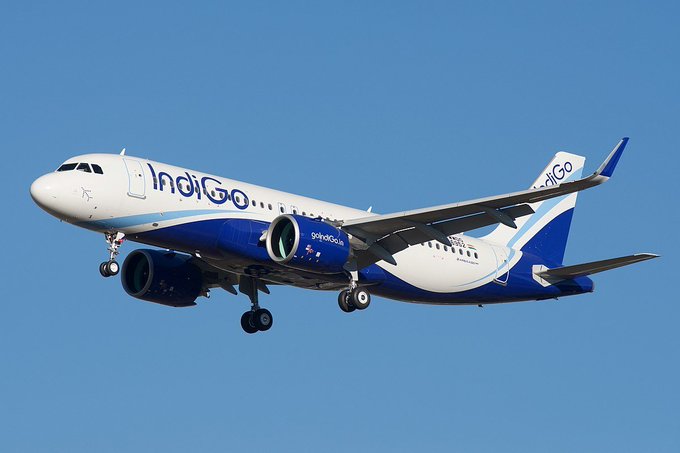
NEW DELHI — India’s largest carrier is currently flying through a major social media storm. The IndiGo grooming policy controversy erupted late Friday after internal training documents surfaced on X (formerly Twitter). These leaked manuals, titled “MALE POISE” and “FEMALE POISE,” appear to explicitly prohibit employees from wearing traditional Hindu markers. Specifically, the guidelines flag the tilak, bindi, sindoor, and kalawa as “not allowed” for front-line staff. However, the documents reportedly show more flexibility toward other religious identifiers. This perceived asymmetry has triggered a wave of “double standard” allegations across digital platforms.
The uproar began when user @AnuDagar shared snippets of the handbook. Consequently, the hashtag #BoycottIndiGo started trending within hours. Many users expressed deep disappointment, arguing that a homegrown airline should respect India’s diverse cultural fabric. Moreover, some critics drew parallels to the recent fall of other major airlines. One viral comment warned that ignoring public sentiment could lead the carrier toward the same fate as Jet Airways. As the IndiGo grooming policy controversy intensifies, the public is now questioning the legal and ethical boundaries of corporate “professionalism.”
IndiGo Airlines एयर इंडिया lenskart से भी दो कदम आगे निकल गई 🙄
IndiGo को हिजाब वाली महिला पायलट कबूल है लेकिन तिलक कलावा सिंदूर मंगलसूत्र नामंजूर pic.twitter.com/ceLThBACSY
— Anu Dagar (@TheAnuDagar) April 24, 2026
The Lenskart and Air India Precedent
This incident is not an isolated case in the Indian corporate world. Earlier this month, a similar storm hit eyewear giant Lenskart. An internal style guide from the brand also banned bindis and tilaks while permitting hijabs and turbans. Following massive protests in cities like Pune and Dehradun, CEO Peyush Bansal issued a public apology. He clarified that the viral document was an “outdated training note” from February 2026. Lenskart has since standardized its policy to “explicitly and unambiguously” welcome all religious symbols.
Also Read : Lenskart Backtracks After Hijab Allowed, Bindi and Kalava Ban Style Guide Sparks Outrage
Similarly, Air India faced its own set of allegations just last week. An older version of the Air India cabin crew handbook reportedly barred crew members from wearing sindoor or tikkas with Indo-Western uniforms. An airline spokesperson quickly clarified that the document was outdated. They stated that the crew currently has the choice to wear bindis with traditional attire. The IndiGo grooming policy controversy suggests that these “language lapses” in corporate manuals are more systemic than previously thought. This pattern has led many to believe that global ESG (Environmental, Social, and Governance) standards are forcing a Westernized version of “neutrality” on Indian workplaces.
Demand for a National Corporate Code of Conduct
As the IndiGo grooming policy controversy gains traction, voices for government intervention are growing louder. Many netizens are now calling for a “National Code of Conduct” for all major corporations. They argue that private companies should not have the power to override constitutional rights to religious expression. “Corporate professionalism should not mean stripping away one’s cultural identity,” wrote one influential user on X. Additionally, legal experts suggest that if these policies are found to be discriminatory, they could face challenges under Article 15 of the Constitution.
From a business perspective, the IndiGo grooming policy controversy comes at a sensitive time. The aviation market is highly volatile, and consumer loyalty is easily swayed by cultural controversies. While IndiGo has not yet issued a fresh, comprehensive statement regarding the April 25 leak, the pressure to reform is immense. Industry insiders suggest that a public update, similar to Lenskart’s “Public Style Guide,” might be the only way to ground this controversy. For now, the airline must decide if its definition of “poise” includes the diverse heritage of its employees.
Navigating the Future of Corporate Identity
The resolution of the IndiGo grooming policy controversy will likely set a benchmark for other industries. In a “humanized” 2026 search era, transparency and E-E-A-T (Experience, Expertise, Authoritativeness, and Trustworthiness) are vital for brand survival. Companies can no longer hide behind internal memos when public values are at stake. As the digital discourse continues, the message from Indian consumers is clear: inclusivity must be absolute, not selective. Whether IndiGo will fly through this storm or face a turbulent landing remains to be seen.