
New Delhi’s Firm Stand on Agriculture and Dairy
India’s trade negotiations with the United States have hit a major roadblock, with agriculture, dairy, and genetically modified crop concerns emerging as non-negotiable red lines.
The deadlock echoes India’s dramatic 2019 decision to walk away from the Regional Comprehensive Economic Partnership (RCEP) at the last minute — a move influenced by thousands of letters from dairy cooperative members warning of sectoral harm.
Just as in RCEP talks, policymakers in New Delhi are unwilling to compromise on the livelihoods of millions in the rural economy. Sources familiar with the talks suggest that despite progress in earlier rounds, the past few weeks have seen discussions slide into a stalemate.
50% Tariff Threat and Diplomatic Strain
The US has signalled a possible imposition of tariffs up to 50% on Indian exports, framing the move as a reaction to India’s stance on agricultural imports and its oil trade with Russia.
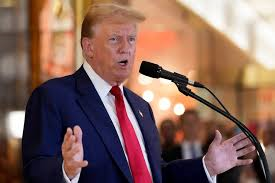
However, trade experts argue that the measure aligns with a familiar strategy from former US President Donald Trump’s playbook: threaten high tariffs to gain leverage at the negotiation table. The US has previously used this tactic against China, the European Union, and Japan — often reducing the tariffs after extracting concessions.
In this case, India appears ready to absorb short-term pain rather than concede on core trade priorities. Officials in New Delhi say that while the US is India’s largest export destination, a significant share of exports already enjoy concessional duties, softening the immediate blow.
Lessons from the RCEP Walkout
India’s experience with RCEP looms large over current negotiations. In 2019, the Modi government withdrew from the deal just before signing, citing concerns over market flooding by cheap imports, especially from China.
The tipping point was public pressure from cooperative organisations — particularly Gujarat’s dairy sector — warning of irreversible damage to domestic farmers. That same caution now shapes New Delhi’s approach to the US talks.
Government insiders emphasise that political costs outweigh any short-term economic benefits. “If the agreement risks harming our agricultural backbone, it is better to walk away,” one senior official said.
Oil Trade and Geopolitical Undercurrents
The US has also linked the tariff issue to India’s purchases of discounted Russian oil, arguing that these transactions indirectly support Moscow’s war effort in Ukraine.
Yet, India has already begun tapering Russian oil imports since June, as the price gap between Brent crude and Russia’s Urals grade has narrowed from $30 per barrel in 2022 to about $5 today.
Analysts point out the geopolitical complexity: China remains the largest buyer of Russian oil, while Europe continues to import non-coal minerals and the US has increased purchases of Russian uranium and palladium.
Possible Concessions and the Road Ahead
While standing firm on agriculture and dairy, India has hinted at possible concessions in other areas. Negotiators have floated offers to purchase high-value US exports, including defence equipment, natural gas, and nuclear reactors.
There’s also openness to a phased market access plan in sensitive sectors like automobiles, similar to the quota-based approach used in the recent UK trade deal.
Despite the current deadlock, both sides are maintaining backchannel communications. With the potential tariffs looming, trade watchers expect a decisive round of talks in the coming months.