
Rupee Falls Past 90 as Global Pressures Weigh on Markets
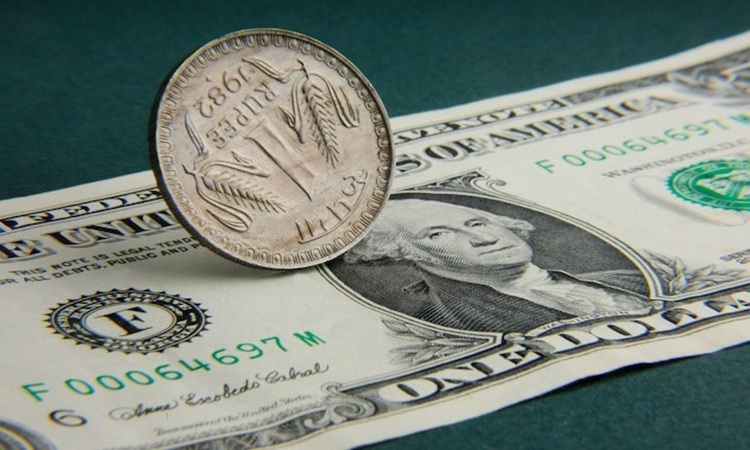
The Indian Rupee hit a historic low past 90 against the US Dollar in early trade on Tuesday. The currency opened near 89.96 and then slipped to 90.14 during the morning session. It later settled close to 90.12. The fall marked a drop of around 0.2% to 0.3% in a single day. Moreover, the Rupee is now about 5% weaker year-to-date in 2025.
The decline came amid broad pressure on emerging market currencies. A strong US Dollar and rising global tensions have pushed investors toward safer assets. As a result, foreign investors continued to exit Indian markets in recent weeks. Analysts said the outflows added further strain on the currency.
Additionally, India’s trade deficit has widened due to a jump in gold imports. Higher US tariffs and stalled trade negotiations also affected sentiment. These factors, combined with global uncertainty, increased pressure on the Rupee.
Traders said the fall was not a surprise. However, the move past the 90-mark holds symbolic weight and may impact market behaviour in the coming weeks.
RBI Policy Meet in Focus as Markets Await Rate Decision
The Rupee’s decline comes as the Reserve Bank of India holds its key policy meeting from December 3 to 5. Markets now await Governor Sanjay Malhotra’s policy statement on Friday. The current repo rate stands at 5.50%. Investors expect the central bank to maintain a cautious stance. Moreover, the RBI may offer signals on liquidity, inflation, and external risks.
Economists noted that the central bank has tried to manage excess volatility in recent months. However, the global Dollar rally has limited the impact of such moves. Additionally, uncertainty around crude oil prices continues to weigh on sentiment. Higher oil costs often push the Rupee lower due to India’s heavy dependence on imports.
A few analysts believe that modest RBI intervention helped slow the fall during afternoon trade. Yet they also said the Rupee may remain under pressure until global markets stabilise. As a result, traders expect more fluctuation over the next few days.
Furthermore, the bond market is watching the RBI meeting closely. Any change in liquidity guidance may shape near-term yields and investor appetite.
Impact on Households, Students, Travellers, and Businesses
The sharp fall in the Indian Rupee has real effects on families and businesses. Imported products such as crude oil, gadgets, and appliances may become costlier. As a result, household budgets could face more pressure during the festive months.
Students studying abroad will also feel the impact. Their tuition fees and living expenses rise when the Rupee weakens. Moreover, parents sending money overseas may need to spend more for the same amount in Dollars.
Travel costs are another major concern. International airfares, hotels, and local expenses all become more expensive. Travel agents said demand may slow if the Rupee stays near the 90 level for long.
However, the weaker currency may offer some support to exporters. Companies in textiles, software, and manufacturing could benefit from stronger Dollar earnings. Additionally, some analysts believe the fall may ease India’s inflation numbers. A slowdown in domestic inflation could help offset the impact of costlier imports.
Even then, businesses remain cautious. They want stability in the currency market, especially as global tensions remain high.
Why the Rupee Is Under Pressure: The Larger Picture
Several global and domestic factors continue to shape the Rupee’s trajectory. The US Dollar index has been rising due to strong economic data in the United States. Bond yields in the US also remain high. As a result, foreign investors prefer Dollar assets over emerging markets.
Geopolitical tensions in West Asia and Europe have added to the uncertainty. Crude oil prices have been volatile. Moreover, the upcoming US economic announcements have kept traders on edge.
On the domestic front, India’s gold imports have surged. The festive season boosted demand, while global uncertainty pushed buyers toward the precious metal. This rise widened the trade deficit and placed further pressure on the Rupee.
Additionally, trade talks between India and major partners have slowed. Higher US tariffs on key goods have added to the challenge. As a result, market confidence has been affected.
Economists believe the Rupee may stabilise if global markets settle. However, they also caution that the next few weeks may remain volatile.