
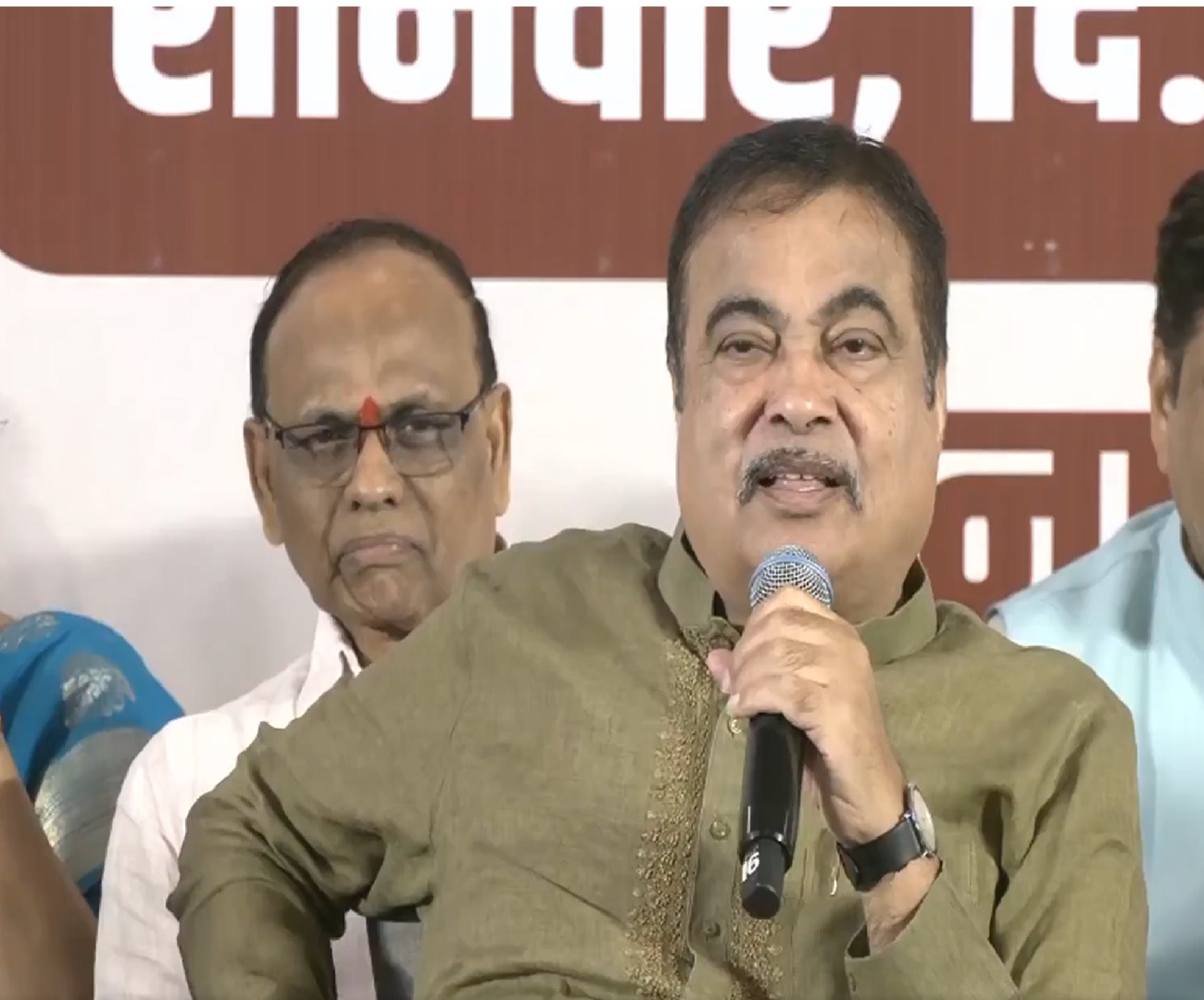
NEW DELHI June 15, 2026 : The Indian automotive landscape faces a structural turning point following a massive green energy policy announcement. Union Minister for Road Transport and Highways Nitin Gadkari formally signed the regulatory files in Nagpur to legally authorize E100. This crucial policy shifts the national alternative energy strategy directly toward India approves 100 percent ethanol as vehicle fuel standards. Consequently, this legal framework permits global automakers to manufacture and sell consumer vehicles designed to operate entirely on pure plant-based biofuel.
Additionally, the central government intends to aggressively minimize its crushing Rs 22 lakh crore fossil fuel import bill. The administration claims that the previous nationwide E20 blending program successfully saved over Rs 1 lakh crore in foreign exchange. Moreover, the massive transition directly boosted domestic farmer incomes by sourcing extensive feedstock from surplus sugarcane and maize crops. To showcase market readiness, early rollout phases highlighted production-spec alternative variants like Maruti Suzuki’s flex-fuel WagonR alongside newly developed Hero MotoCorp motorcycles.
Also Read : Gold Price Today Rises Across India; Silver Rates Also…
Consumer Mileage Anxiety and Mechanical Failure Fears Grow
Despite the grand policy promises, a fierce wave of consumer backlash has rapidly emerged across the nation. Millions of vehicle owners are voicing severe worries regarding long-term mechanical safety and high ownership expenses. Car enthusiasts emphasize that standard E20 fuel blends already trigger a noticeable 7 percent drop in overall mileage.
Furthermore, shifting to pure E100 fuel will likely cause a massive 25 to 30 percent reduction in fuel efficiency. This drop occurs because ethanol inherently contains significantly less thermal energy density per liter compared to standard fossil petrol. Moreover, veteran mechanics warn that high concentrations of biofuel risk corroding crucial internal engine components over time. The corrosive nature of the fluid can severely degrade conventional rubber fuel lines, metal tanks, and vital fuel injectors.
Consequently, older legacy automobiles that lack specialized material calibrations face devastating breakdown risks if owners inadvertently fill up at new dispensers. Additionally, leading auto experts warn that vehicle insurance providers could potentially deny expensive damage claims for any pre-2023 vehicles. This insurance loophole leaves millions of middle-class commuters completely exposed to massive out-of-pocket repair costs.
Conflict of Interest Allegations Hit Biofuel Policy Rollout
The administrative push is facing heavy political resistance alongside mounting technical worries from the general public. Political opposition leaders and corporate watchdogs have raised intense conflict-of-interest claims against the transport ministry. Critics point out that several prominent agricultural businesses owned by the Union Minister’s family have experienced massive surges in valuation.
These companies are directly involved in mass-scale commercial ethanol distillation, fueling intense public debates regarding the true motivation behind this aggressive regulatory push. Many transport analysts are questioning whether the swift regulatory mandate benefits public interest or private corporate entities. However, government supporters aggressively push back against these corruption allegations, labeling them as malicious political sabotage.
Proponents praise the clean mobility push as an absolute necessity to secure permanent national energy security. Additionally, advocates emphasize that massive biofuel deployment remains the single most effective weapon to slash toxic tailpipe emissions across heavily polluted urban centers like Delhi-NCR and Mumbai.
Heavy Financial Premium Hinders Mass Flex-Fuel Adoption
The practical economic realities of purchasing specialized flex-fuel vehicles present another major barrier for ordinary buyers. For example, the newly launched commercial Maruti Suzuki WagonR Flex Fuel carries an premium of Rs 85,000 over its standard petrol counterpart. This heavy upfront financial premium makes green mass mobility highly unviable for lower-income family budgets.
Furthermore, the initial rollout restricts these clean vehicle sales strictly to commercial fleet operators, leaving private buyers without affordable options. Meanwhile, the specialized fuel retail dispensing network remains incredibly limited across provincial highways. The Ministry of Petroleum and Natural Gas currently targets approximately 5,000 active high-ethanol dispensing outlets by the conclusion of 2027.
Initially, fuel marketing enterprises plan to establish just 50 to 100 specialized stations along restricted corridors. These early hubs will exclusively serve the high-traffic Delhi-NCR region and the expanding Mumbai-Nagpur highway network. Consequently, drivers will likely face severe logistics issues trying to find reliable refueling points outside major tier-one cities.
Rigorous Technical Upgrades Mandated for Auto Manufacturers
To legally comply with the newly signed E100 regulations, global vehicle manufacturers must execute radical engine redesigns. Standard internal combustion platforms are entirely incapable of managing pure biofuel safely without immediate physical failure. Therefore, upcoming model lineups from Toyota, Hyundai, Suzuki, and MG require highly advanced ethanol-content sensors.
Also read : Sensex Jumps as US-Iran Peace Deal Reopens Strait of Hormuz
These sophisticated digital sensors must monitor real-time blend variations to automatically adjust electronic fuel injection volumes. Additionally, factory lines must integrate heavily reinforced corrosion-resistant alloy cylinders alongside robust synthetic rubber gaskets. The onboard Engine Control Unit software also requires complete recalibration to manage difficult cold-start issues during cold winter months.
While the central government celebrates this legislative victory as a major step toward self-reliance, the road ahead remains highly volatile. The success of the green energy mission depends heavily on addressing intense consumer backlash and establishing robust infrastructure. Until the administration resolves these deep structural economic and technical anxieties, the true viability of the green transition will face immense skepticism.