
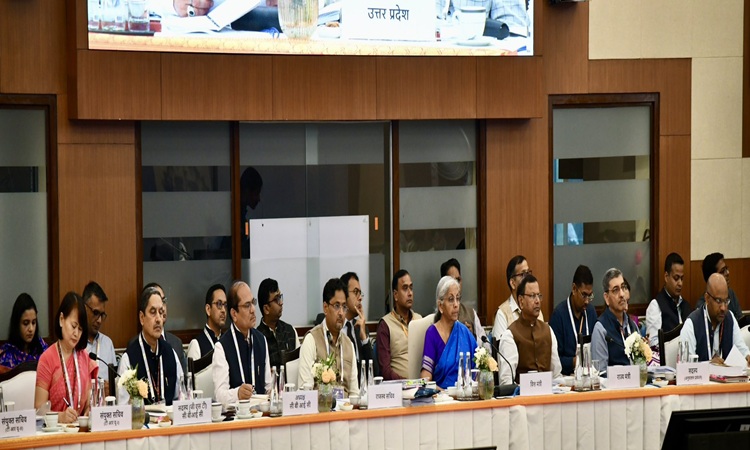
GST Council Meets to Discuss Major Reforms
The Goods and Services Tax (GST) Council, chaired by Finance Minister Nirmala Sitharaman, has begun its 56th meeting in New Delhi on September today. The discussions are expected to reshape India’s indirect tax system.
The Council is reviewing a proposal to simplify the current four-slab structure. At present, GST rates stand at 5%, 12%, 18%, and 28%. The new framework could replace these with just two slabs—5% for essentials and 18% for non-essentials—along with a special 40% tax on ‘sin goods’.
If approved, these changes will mark the most significant GST reforms since its rollout in 2017.
What Could Get Cheaper Under New GST Slabs
Consumers may soon see relief in prices of essential goods and services. Since GST is a consumption-based tax, any rate reduction directly benefits end-users.
As per reports around 175 -180 items could shift to lower brackets. Some of the categories expected to get cheaper include:
- Groceries: food grains, fruits, vegetables
- Medicines: commonly used drugs and healthcare essentials
- Electronics: air conditioners, refrigerators, televisions, washing machines
- Education services and insurance
- Agricultural equipment and bicycles
Several products currently taxed at 12% may move to 5%, making them more affordable. Examples include:
- Condensed milk, frozen vegetables, dried fruits, pasta, sausages, jams, namkeens like bhujiya, and tooth powder
- Daily-use goods such as feeding bottles, utensils, furniture, umbrellas, carpets, bicycles, and pencils
- Handbags made of jute or cotton, and footwear priced below ₹1,000
These reforms could ease the financial burden on households, especially in rural and middle-class segments.
What Could Become Costlier with GST Changes
While consumers may gain on essentials, luxury and sin goods are likely to face higher taxes. A 40% GST slab is being proposed for certain items, a move aimed at discouraging luxury consumption and harmful products.
Items that may become costlier include:
- High-end cars costing over ₹50 lakh
- Tobacco, alcohol, and soft drinks
- Gambling, drugs, and fast food
- Coffee and sugar-based products
In addition, coal-derived fuels such as briquettes and lignite-based products could see higher rates.
The textiles sector may also feel an impact, as ready-made garments priced above ₹2,500 could move from the 12% slab to the 18% slab, raising prices for consumers.
Impact on Businesses and the Economy
The proposed changes aim to simplify compliance and reduce disputes. A two-slab structure will make GST filing easier for businesses and reduce classification complexities that often lead to litigation.
However, sectors like automobiles, FMCG, and insurance will remain in focus. Luxury car makers may see a slowdown in demand due to higher tax rates. Meanwhile, FMCG companies could benefit if more products move into the 5% slab, boosting sales volumes.
Analysts believe that while the reforms may cause short-term adjustments, the long-term impact could be positive, as a simpler tax system improves ease of doing business and transparency.
The Road Ahead for GST Reforms
The Council’s decisions are expected to be announced after the two-day meeting concludes. Any changes will need to be implemented carefully to avoid confusion among businesses and consumers.
If approved, these GST reforms will represent a major step towards rationalisation of India’s indirect tax system. The move could bring relief to millions of households while ensuring luxury and sin goods contribute more revenue.