

NEW DELHI : India’s consumer protection authority intensified its nationwide campaign against deceptive e-commerce practices.
The government informed Parliament that a CCPA dark patterns penalty hit nine prominent digital platforms.
Regulators collected nearly twenty lakh rupees in financial penalties following comprehensive investigations into manipulative app interfaces.
Prominent companies facing regulatory action include quick-commerce giant Zepto, ticketing platform BookMyShow, and airline carrier IndiGo.
Additionally, ed-tech provider Physics Wallah deposited substantial fines after deploying manipulative donation options during checkout routines.
CCPA Dark Patterns Penalty: Zepto, BookMyShow, and IndiGo Face Strict Crackdown
Central Consumer Protection Authority officials stated that interface designs must respect free consumer choice.
Consequently, deceptive user interfaces that trick consumers into unwanted purchases violate core consumer rights.
The regulatory crackdown enforces the landmark Guidelines for Prevention and Regulation of Dark Patterns.
Therefore, e-commerce platforms must immediately audit their checkout interfaces to ensure complete pricing transparency.
Also Read : Delhi IPS Officer Removed from Rashtrapati Bhavan Amid Misconduct Row
| Digital Platform | Primary Dark Pattern Identified | Regulatory Enforcement Action | Current Operational Status |
| Zepto Marketplace | Drip pricing & basket sneaking | Fined ₹7 Lakh by CCPA | Discontinued deceptive fees |
| Physics Wallah | Pre-selected donation & forced action | Fined ₹5 Lakh by CCPA | Deposited fine & updated site |
| IndiGo Airlines | Confirm shaming during opt-out | Mandatory interface revision | Replaced manipulative text |
| BookMyShow | Pre-ticked charitable contributions | Directive to remove pre-ticks | Removed auto-selected fees |
| FirstCry | Hidden taxes & drip pricing | Fined ₹2 Lakh by CCPA | Upfront price disclosures |
Drip Pricing and Basket Sneaking in Quick Commerce and Ticketing
Regulators highlighted severe violations involving hidden handling fees and pre-selected add-ons during online checkout.
For instance, quick-commerce platform Zepto initially displayed lower product prices to online shoppers.
However, the company subsequently added handling charges and automatic membership fees at the final payment gateway.
Watchdogs categorized handling fees as drip pricing and classified auto-added memberships as illegal basket sneaking.
Consequently, the CCPA dark patterns penalty imposed a seven lakh rupee fine on Zepto.
Similarly, ticketing giant BookMyShow faced strict directives after pre-selecting charitable contributions during movie bookings.
The platform automatically added a one-rupee contribution per ticket without explicit buyer consent.
While the amount appeared minor, regulators emphasized that consent cannot be presumed through pre-ticked checkboxes.
Following regulatory intervention, BookMyShow promptly eliminated pre-selected donation boxes across its mobile application.
Confirm Shaming and Emotional Manipulation in App Interfaces
Beyond hidden fees, regulators targeted manipulative messaging designed to induce consumer guilt or fear.
In aviation booking, IndiGo faced complaints regarding manipulative language during seat selection and insurance add-ons.
The airline presented opt-out buttons with guilt-inducing phrasing like “No I will take risk”.
Regulators identified this psychological tactic as confirm shaming, intended to pressure passengers into buying add-ons.
After government intervention, IndiGo updated its mobile app with neutral wording reading “No, I will not add to the trip”.
Meanwhile, ed-tech brand Physics Wallah received a five lakh rupee fine for deploying multiple manipulative tactics.
The platform automatically added ten-rupee foundation donations while displaying emotional messages to discourage removal.
Furthermore, free educational courses required mandatory disclosure of personal contact details before granting access.
Regulators ruled that mandatory data collection for free content constitutes unlawful forced action.
Broader Industry Penalties and the 2023 Guidelines Framework
The regulatory crackdown extended well beyond major headline names to encompass several consumer-facing brands.
For example, authorities penalised FirstCry two lakh rupees for failing to disclose full pricing upfront.
Additionally, PharmEasy, McAfee, and SpiceJet each incurred one lakh rupee fines for subscription traps and hidden charges.
Coaching platform Anuj Jindal also received a three lakh rupee penalty for employing misleading countdown timers.
Overall, the CCPA dark patterns penalty enforcement collected approximately twenty lakh rupees across these cases.
India’s comprehensive 2023 Dark Pattern Guidelines explicitly prohibit thirteen specific manipulative interface designs.
Prohibited tactics include false urgency, subscription traps, drip pricing, confirm shaming, and trick questions.
Government officials reiterated that consumer consent must always be obtained through clear, affirmative actions.
Therefore, digital businesses must align their interface user experience with established fair trade standards.
Future Outlook for Digital Consumer Rights in India
Looking forward, the Central Consumer Protection Authority plans to expand its oversight of digital marketplaces.
Regulators actively encourage e-commerce platforms to conduct self-audits to identify and fix deceptive user pathways.
Furthermore, consumer advocacy groups recommend that online shoppers carefully review final checkout invoices before payment.
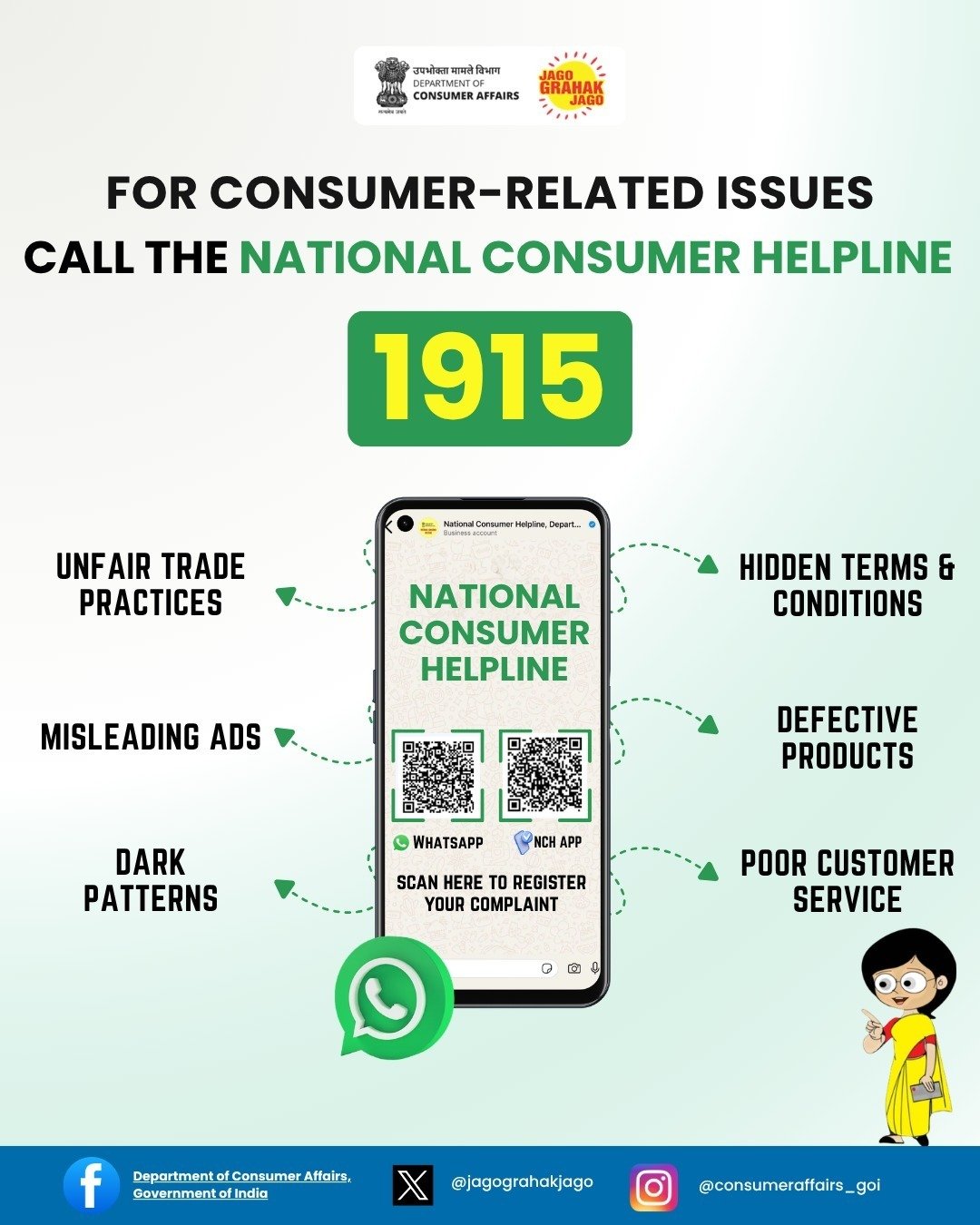
Reporting unfair interface designs through national consumer helplines helps authorities identify systemic corporate violations quickly.
As enforcement strengthens, the CCPA dark patterns penalty framework establishes an important legal precedent.
Digital companies can no longer rely on subtle psychological manipulation to boost short-term transaction revenues.
In conclusion, transparent pricing and voluntary consumer choice remain the bedrock of a healthy digital economy.