
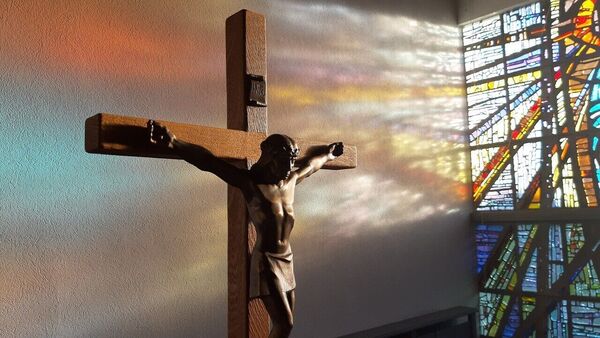
Why Good Friday Is a Public Holiday in Many Countries
Good Friday Holiday Honoring a Day of Spiritual Significance and Supportiveness Christians all around celebrate Good Friday, a serious and very spiritual holiday honoring the crucifixion of Jesus Christ, every year. Falling on Friday before Easter Sunday, Good Friday is a day of contemplation, prayer, and a break from the daily grind rather than only a religious observance.
Romans 5:8
“But God demonstrate his own love for us in this; while we were still sinners, Christ died for us.”
Good Friday: A Day of Thought, Dedication, and Hope
That is why Good Friday is referred to us as Good. #GoodFriday pic.twitter.com/GtuAvcrwIi
— L E S E D I (@_Hybreed_) March 30, 2018
Why is Friday labeled “Good”?
The name “Good Friday” first looks to be perplexing. How could one characterize the brutal crucifixion of Jesus as “good”? The response resides in Christian theology. Viewers of Jesus’s death consider it the ultimate sacrifice paid for the pardon of mankind’s sins. His suffering and death cleared the path for spiritual redemption and everlasting life; thus, this deed of love and selflessness makes the day “good.” Day of Silence and Solemnity Good Friday is marked by silence, grief, and introspection, unlike many other religious holidays that call for celebration. Churches read the narrative of Jesus’s crucifixion during special services; many devout fast or avoid meat as a penance. Black cloths, representing loss and grief, might drape altars and crosses. Good Friday is observed as a public holiday in many nations, including India, the UK, Canada, parts of Europe, and Latin America, allowing people time to attend church services and spend the day in contemplation.
Why Is Good Friday a Public Holiday?
On Good Friday, countries like India take a step back — offices close, and people come together in silence and prayer to remember the day Jesus Christ gave his life. The leave is given so Christian communities may pray, go to church, and consider the meaning of the sacrifice given. The day is very spiritually significant and a major component of Holy Week; thus, it is not only religiously but also culturally significant in areas with Christian populations.
Traditions in Different Cultures on Good Friday
In some Indian states, Good Friday is a public holiday. In churches all over the country, people celebrate mass, take part in processions, and act out the crucifixion. When people wear white, it means they are sad or happy. People in Spain and the Philippines dress up as Roman soldiers, saints, and other biblical characters and take part in dramatic processions. A lot of people come to see these events, which are a powerful mix of faith and tradition. In the US, many businesses and schools stay open, but people observe the religious significance by going to church, especially in Catholic and Protestant areas. A Day to Think, Not Just a Break Many people don’t have to work or go to school on Good Friday, but it’s not just another holiday. It gives us a chance to stop and think about universal ideas like sacrifice, forgiveness, kindness, and redemption. No matter what religion you follow, Good Friday’s message has a quiet power that speaks to everyone who has lost someone, been in search of peace, or hoped for a fresh start.
How to Reach Easter Holy Week
To Reach Easter Holy Week of which Good Friday is a part, begins with Palm Sunday and continues with Maundy Thursday, the most solemn day in the Christian calendar, culminating in Easter Sunday, the celebration of Jesus’ resurrection. As a symbol of how hope emerges from suffering and life from death, Good Friday’s somber tone prepares us for Easter’s joy. In conclusion in a world where everything happens at a breakneck pace, Good Friday encourages us to pause, pay attention, and contemplate. The true meaning of the day lies not in its superficial rituals but in contemplating its deeper significance, regardless of whether you observe it at home, in a religious setting, or in solitude.
Therefore, pause for a while this Good Friday. This is not just a time to unwind but also an opportunity to reflect deeply on concepts such as generosity, selflessness, and the power of love. Some of the most significant days in history started with quiet rather than jubilation.