
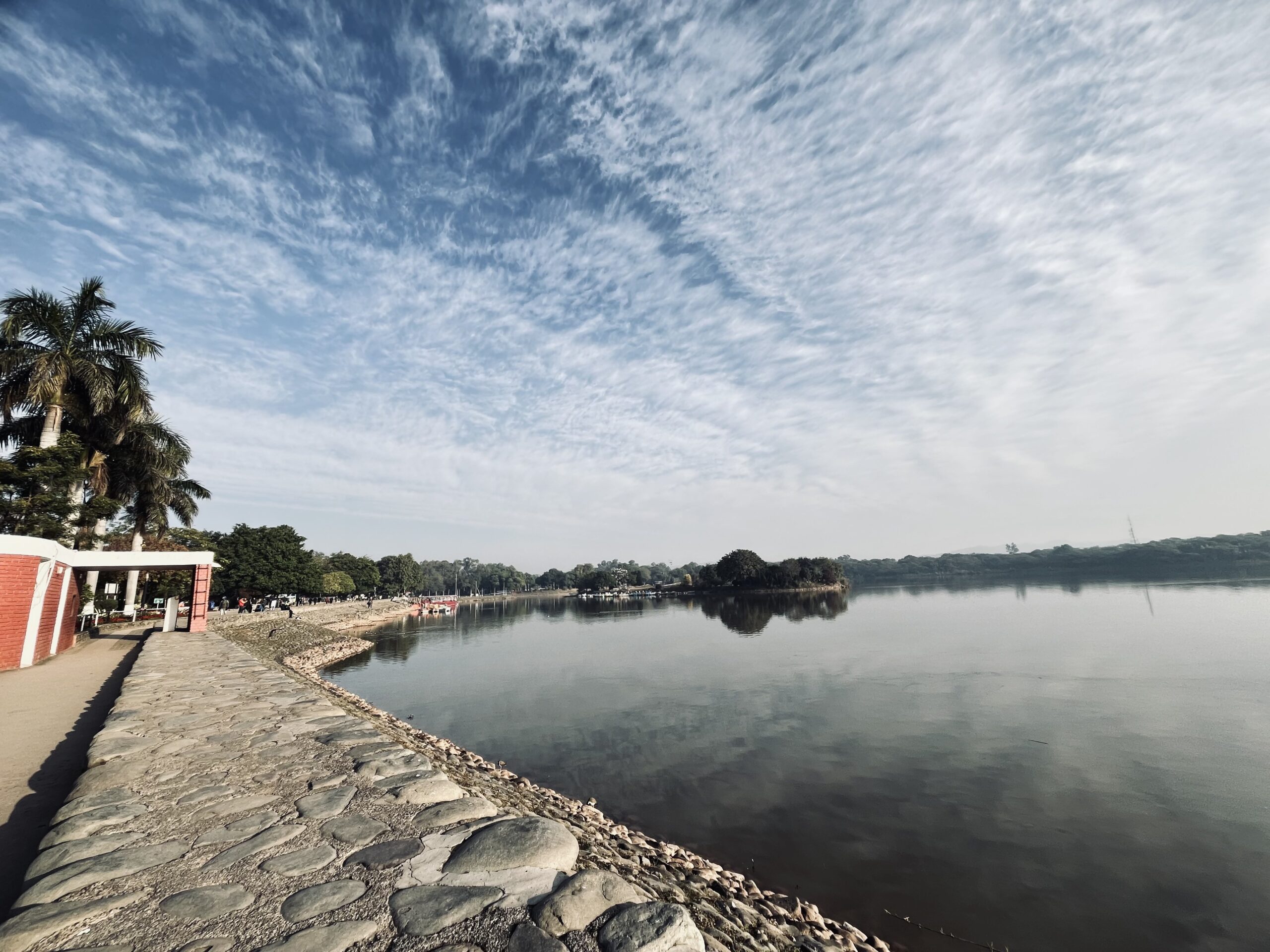
Punjab Declares Sukhna Lake Area as Eco-Sensitive Zone, Cabinet Approves Key Report
Punjab Cabinet Approves Eco-Sensitive Zone Status for Sukhna Lake Region
Chandigarh/Pathankot, April 12 – In a landmark move aimed at preserving environmental integrity and safeguarding ecological balance, the Punjab Cabinet has approved a crucial memorandum to declare the area adjoining Sukhna Lake as an eco-sensitive zone (ESZ). This decision comes in line with directives from the Supreme Court and longstanding environmental strategies outlined by the Wildlife Board of India.
The move was confirmed by Lal Chand Kataruchak, Punjab’s Minister for Forest and Wildlife Preservation, during a media interaction. He emphasized that this step fulfills a promise made by the state government and reiterates the Punjab Government’s commitment to sustainable development and environmental stewardship.
History of the Eco-Sensitive Zone Strategy
The eco-sensitive zone framework was introduced nationwide in 2002 as part of a central strategy by the Wildlife Board of India. Under this policy:
- All wildlife sanctuaries were designated eco-sensitive.
- Construction activities were banned within a 100-metre radius around these protected areas.
- Development was permitted only outside the defined perimeter, minimizing human interference with sensitive ecosystems.
Punjab acted swiftly in alignment with this framework, and by 2013, the state had submitted a comprehensive plan covering 13 wildlife sanctuaries, which were subsequently recognized as ESZs by the Government of India.
However, Sukhna Lake, despite being an ecologically crucial and shared site between Punjab and Haryana, was left out of the ESZ designation. This created a legal and ecological vacuum for nearly a decade.
Sukhna Lake’s Special Status and Legal Context
According to Minister Kataruchak, Sukhna Lake already had environmental protections in place, including a 10-kilometre no-construction buffer zone established through various court rulings. These restrictions prohibited:
- All forms of construction activity.
- Business or industrial activities within the 10-km zone.
Yet, official ESZ recognition remained pending, complicating implementation and enforcement.
Supreme Court Intervention and Public Consultations
Recently, the Supreme Court directed the Punjab Government to engage in dialogue with local residents living in the vicinity of Sukhna Lake to consider their concerns while finalizing the ESZ status.
In response, Chief Minister Bhagwant Singh Mann constituted a five-member committee. The committee held multiple stakeholder meetings, collecting feedback and grievances from affected communities. Based on this inclusive approach:
- A detailed report was compiled.
- The committee recommended the declaration of an eco-sensitive zone around Sukhna Lake.
- The report was submitted to the Hon’ble Supreme Court for further direction.
Cabinet Approval and Next Steps
The memorandum prepared by the committee was formally approved by the Punjab Cabinet, marking a pivotal step forward.
“This move will provide much-needed relief to the people and ensure ecological sustainability for future generations,” said Minister Kataruchak.
The approved report will now be submitted to the Government of India for final notification and implementation.
Environmental Significance of Sukhna Lake
Sukhna Lake is not only a major tourist attraction and recreational hub but also a critical ecological habitat for migratory birds and local biodiversity. Declaring it as an **eco-sensitive zone will:
- Enhance wildlife protection.
- Preserve the lake’s ecological integrity.
- Prevent unregulated urban expansion.