
Bihar CM Nitish Kumar Pays Homage to Jagjivan Ram on His Birth Anniversary
Bihar CM Nitish Kumar Pays Respect to Jagjivan Ram on His Birth Anniversary
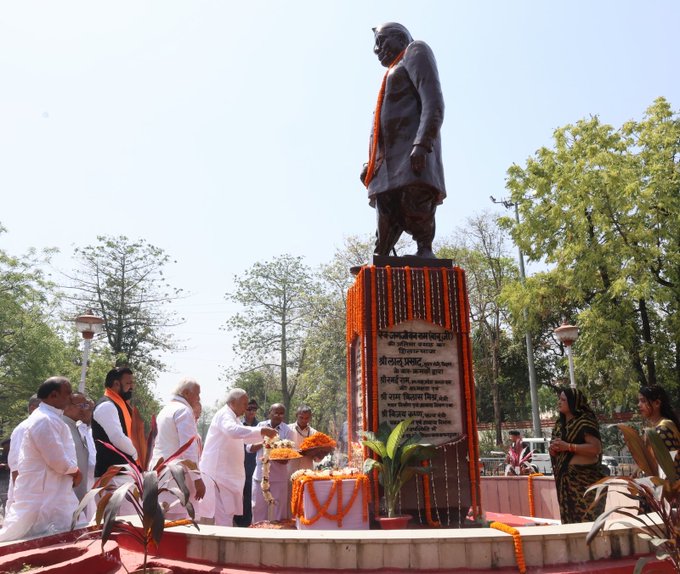
In a touching tribute to one of India’s prominent political figures, Bihar Chief Minister Nitish Kumar on Saturday paid homage to the late Jagjivan Ram on his birth anniversary. Kumar, along with other dignitaries, gathered at a special state function where he laid flowers at the statue of the former Deputy Prime Minister of India in Patna. The event was marked by speeches celebrating Jagjivan Ram’s contributions to social justice, leadership, and political progress in India.
The function highlighted the indelible mark left by Jagjivan Ram, a stalwart of Indian politics, especially in the realms of empowerment of backward classes and farmers’ rights. His legacy continues to inspire generations, particularly those who believe in equity, justice, and social reform.
The Legacy of Jagjivan Ram: A Visionary Leader
Jagjivan Ram was a pivotal figure in Indian politics, best known for his role as a leader of the Dalits and his commitment to addressing social inequalities. He was not only a key member of the Indian National Congress but also held several crucial portfolios in the Indian government, including Minister of Defence and Minister of Agriculture. His dedication to social justice made him one of the most respected figures in Indian politics.
Ram’s most significant contribution was his tireless work for the upliftment of Dalits and backward classes in India. As the first Dalit to hold a ministerial post, he broke barriers that had long existed in Indian politics. His legacy is celebrated for being a strong voice for social justice and inclusive policies that continue to shape India’s political discourse.
Nitish Kumar’s Tribute: A Reflection on Social Justice
At the state function, Bihar CM Nitish Kumar offered heartfelt tributes to Jagjivan Ram, acknowledging his immense contributions to India’s social fabric. Nitish Kumar’s tribute to the late leader holds particular significance in the state of Bihar, where issues of social justice and empowerment of marginalized communities remain central to the political agenda.
In his speech, Nitish Kumar described Jagjivan Ram as a visionary leader who had dedicated his life to improving the lives of the poor and downtrodden. The Bihar Chief Minister emphasized the importance of social harmony and justice, values that Ram had promoted throughout his political career.
“Jagjivan Ram’s commitment to social equity remains an inspiration for us. His contributions towards empowering the backward classes and his stance on farmers’ rights have left an indelible impact on the country’s political landscape,” Nitish Kumar said during the ceremony.
A Day of Remembrance for Bihar
The event, held in Patna, witnessed the presence of numerous political leaders, activists, and the general public who gathered to pay homage to the late leader. Bihar’s history is deeply intertwined with Jagjivan Ram’s fight for empowerment and social justice, making the state function an important occasion for remembering his legacy.
The ceremony at Bihar’s Gandhi Maidan, where Ram’s statue stands tall, was an occasion for leaders to reflect on the political strides made over the years in furthering the vision of inclusive development. Nitish Kumar also called for continued efforts to create policies that promote equal opportunities for all and reinforce the principles of justice that Jagjivan Ram championed during his lifetime.
Remembering the Contributions of Jagjivan Ram
Jagjivan Ram’s work in the Indian government was not limited to social reforms; he also played a significant role in shaping India’s foreign policy and defense strategies. As Defence Minister during the 1971 India-Pakistan War, his leadership and strategic decisions were instrumental in India’s victory, marking his pivotal role in the country’s military history. His legacy as a leader who seamlessly blended politics, social justice, and national security continues to be an example of his multidimensional vision.
On this birth anniversary, the country, especially the state of Bihar, remembers not only his achievements but also the values he stood for. His efforts to bring about systemic change for Dalits and other marginalized communities made him an advocate for empowerment long before the issues of caste-based inequality gained widespread attention.
Significance of Jagjivan Ram’s Statue and Bihar’s Tribute
The statue of Jagjivan Ram in Patna is not only a symbol of his contribution to Indian politics but also a reminder of Bihar’s own ongoing struggle for social justice and equity. During the state function, the attendees paid tribute to Ram’s unwavering spirit of resilience and his dedication to ensuring the upliftment of the marginalized.
The Bihar Chief Minister’s tribute is symbolic of the state’s focus on inclusive politics, especially in light of the recent developments in the state’s political landscape. Nitish Kumar has been known for his commitment to empowering backward classes, and his recognition of Jagjivan Ram’s legacy further underscores the importance of these issues in Bihar’s political agenda.
Continuing Jagjivan Ram’s Legacy in Modern Politics
As India grapples with modern-day challenges of social inequality and economic disparity, the values championed by Jagjivan Ram continue to resonate strongly with Bihar’s political leadership. The state function serves as a reminder that the fight for social justice is far from over and that leaders like Jagjivan Ram paved the way for future generations of leaders to carry forward the message of equality and empowerment.
In the ongoing fight for inclusive development and social reform, the tribute to Jagjivan Ram remains a call to action, urging leaders and citizens alike to work together for a more just and equitable society.