
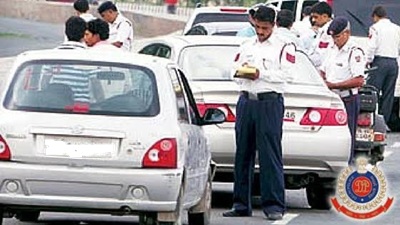
Stricter Traffic Regulations in 2024: Unpaid Fines Could Lead to Licence Suspension
Stricter Traffic Rules for 2024: Unpaid E-Challans Could Lead to Licence Suspension
As the new financial year begins, India has ushered in a series of stricter traffic regulations aimed at improving road safety and increasing compliance with traffic laws. The government is cracking down on drivers with outstanding e-challans (electronic traffic fines), warning that failure to clear pending dues could result in severe penalties, including the suspension of driving licences. The new rules, designed to address low recovery rates for fines and reduce road violations, have already garnered significant attention.
With the government struggling to collect outstanding e-challans—only 40% of fines are currently being paid—the introduction of tougher measures aims to force compliance.
Key Provisions of the New Traffic Regulations
The updated traffic regulations, which came into effect in April 2024, bring substantial changes to how unpaid fines are handled. Key provisions of the new rules include:
- Suspension of Driving Licence for Unpaid Fines: If a driver’s e-challans remain unpaid for more than three months, their driving licence could be suspended for up to three months. This move is part of an effort to enforce timely payments and hold violators accountable.
- Licence Suspension for Repeat Offenders: Drivers who accumulate three challans for red light violations or reckless driving within a single financial year will face a three-month suspension of their driving licence. The government hopes that this penalty will discourage repeat offenders from disregarding traffic laws.
- Higher Insurance Premiums for Offenders: To further enforce compliance, the government is contemplating an increase in vehicle insurance premiums for owners with at least two pending challans from the previous financial year. This initiative is intended to incentivize prompt payment of fines while also discouraging habitual violators.
Addressing Low E-Challan Recovery Rates
India has long faced challenges in recovering e-challan payments, with many states struggling to collect fines. Currently, the national average recovery rate for e-challans stands at only 40%. Some regions, however, have performed better than others. For example, Maharashtra and Haryana lead the country with recovery rates of 62% and 76%, respectively.
On the other hand, cities like Delhi have the lowest recovery rates, with just 14% of fines being paid. Karnataka (21%), Tamil Nadu, and Uttar Pradesh (27%) also rank among the lowest-performing states when it comes to fine recovery.
This disparity in e-challan recovery rates has prompted the government to implement more stringent measures to increase payment compliance. The new regulations are part of a wider effort to improve traffic law enforcement and reduce the number of road violations.
New Standard Operating Procedures to Improve E-Challan System
The government recognizes that some fines remain unpaid due to delays in notifications, technical errors, or miscommunication. To address these issues, authorities are working to implement a comprehensive standard operating procedure (SOP) for the e-challan system.
The SOP will include:
- Minimum Specifications for Traffic Cameras: Ensuring that traffic cameras meet specific standards will improve the accuracy and reliability of e-challan data, minimizing the chances of errors in issuing fines.
- Monthly Alerts to Vehicle Owners: The government will send regular reminders to vehicle owners, notifying them of outstanding fines. These alerts will help ensure that drivers are aware of any pending dues and can take action before further penalties are imposed.
By addressing issues such as notification delays and technical glitches, the government aims to streamline the e-challan process and increase the overall recovery rate.
The Impact of Strict Traffic Rules on Road Safety
While the primary goal of the new traffic regulations is to ensure better fine recovery, the government is also focused on improving road safety across the country. Stricter enforcement of traffic rules is expected to reduce the incidence of violations such as running red lights and reckless driving. These two infractions, in particular, are significant contributors to road accidents and fatalities in India.
By holding drivers accountable for their actions, the government hopes to create a safer driving environment for all road users. The introduction of licence suspensions for repeat offenders is seen as a strong deterrent against habitual traffic violations.
Regional Disparities in E-Challan Compliance
The effectiveness of the new regulations will vary depending on the region. As mentioned earlier, Maharashtra and Haryana have seen significant success in fine recovery, while states like Delhi and Uttar Pradesh have struggled to improve their compliance rates. The government is likely to intensify efforts in low-performing regions to ensure that all states and Union Territories adopt the new regulations effectively.
Additionally, the implementation of the new fines and penalties system will be closely monitored. The government will likely adjust its strategies based on regional performance, introducing more localized measures to encourage compliance where necessary.
Conclusion: A Step Toward Safer Roads and Better Compliance
India’s new traffic regulations, which include harsher penalties for unpaid e-challans and a push for higher insurance premiums, are designed to improve compliance with traffic laws and reduce road violations. By suspending driving licences for repeat offenders and implementing new standard operating procedures for the e-challan system, the government is taking significant steps toward ensuring road safety and improving traffic law enforcement.
As the country works to address the challenges posed by low recovery rates for traffic fines, these new rules could help establish a more disciplined driving culture, reduce traffic violations, and ultimately save lives on Indian roads.