
Intelligence Agencies Monitor Growing Muslim Population in Nepal Amid Security Risks
Intelligence Agencies on High Alert Over Demographic Shifts and Security Risks in Nepal
India’s intelligence agencies are closely monitoring the demographic changes taking place in Nepal, where the Muslim population has grown significantly in recent years. From 4.2% in 2001, the Muslim population in Nepal rose to 5.09% in the 2021 census. This shift, especially in regions near the Indo-Nepal border, has raised security concerns, particularly in light of the growing number of madrasas and mosques in the area. Authorities worry that these developments could foster cross-border terrorism and increase risks to national security.
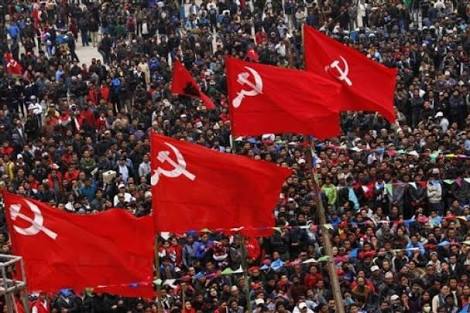
The rise in Muslim population in Nepal follows the abolition of the monarchy in 2008, which paved the way for a more secular government and social changes. One of the key contributors to this demographic change is the Communist Party of Nepal (Maoist), which played a central role in creating favorable conditions for Muslim settlement. In 2015, the Maoist government introduced policies that included job quotas for Muslims and government funding for madrasas, thus encouraging Muslim immigration and settlement in various districts, particularly in the Terai region, which lies near the Indo-Nepal border.
The Growing Influence of Madrasas and Mosques Near the Border
The influence of Islam in Nepal has grown significantly, particularly in the regions bordering India, with the construction of over 400 madrasas and mosques in the last decade. Districts like Banke, Parsa, Rautahat, and Kapilvastu have seen a rise in Islamic educational institutions, including some that attract students from both Nepal and neighboring India. In areas like Krishnanagar, multiple madrasas, including Darul Salaam, have become central hubs for religious education.
In some border villages, this demographic shift has led to a noticeable change in cultural symbols. Reports suggest that Hindu symbols on homes are being replaced with Islamic marks, such as the number “786,” a common Muslim symbol of blessings. These changes, along with a rising concentration of Muslim communities in the region, are fueling concerns that the Indo-Nepal border may become a hotspot for radicalization.
Migration Trends and Security Concerns
One of the major contributing factors to this demographic shift is the influx of Muslim migrants, including Rohingyas from Myanmar, into Nepal. These migrants have sought refuge in Nepal as part of a broader migration trend, which also includes people from Pakistan and Bangladesh. The situation has raised alarms due to the potential for these migrant communities to become part of larger geopolitical struggles and possibly use Nepal as a staging ground for terrorist activities.
Intelligence sources report that Nepal has become a destination for various terror groups that operate within India, including the Indian Mujahideen, Lashkar-e-Taiba, and Jaish-e-Mohammad. A 2019 U.S. State Department report highlighted that these groups have used Nepal as a hub to funnel resources, with Nepalese businessmen playing a role in facilitating cash transfers to their operatives in India.
Cross-Border Terrorism: A Growing Threat
The porous nature of the Indo-Nepal border has allowed for the easy movement of people, goods, and possibly, terrorists. Several reports have indicated that foreign funding, particularly from Pakistan and Gulf countries, has flowed into the country, supporting the growth of madrasas and mosques near the border. The proliferation of these institutions, some of which are allegedly linked to extremist groups, raises questions about the region’s vulnerability to terrorist infiltration.
Additionally, intelligence agencies have reported multiple instances where funds have been channeled into Nepal to support terror activities in India, particularly in Jammu and Kashmir. Local youth have been involved in money transfers across the border, further highlighting the security challenges posed by these growing networks.
The Role of Local Political Dynamics
Politicians in Nepal have been accused of exploiting the demographic shift for political gain. According to sources, the growing Muslim population has been a source of political leverage, with political leaders offering economic benefits, including government schemes, to secure support from the Muslim community. In districts like Dang, Muslim leaders dominate local village councils, and many government schemes disproportionately benefit Muslim residents.
This political manipulation is seen as a way to maintain power, but it has raised concerns about the fairness and transparency of government policies. In some districts, such as the Garhwa area, over 70% of the beneficiaries of government schemes are Muslim, leading to accusations of favoritism and vote-bank politics.
Security Threats and Regional Instability
The rapid demographic shift, combined with the rise of religious institutions and political manipulation, is fueling instability along the Indo-Nepal border. Security experts fear that the growing influence of madrasas and the potential for terrorist cells to operate in the region could jeopardize both national and regional security.
As Nepal’s strategic position as a neighbor to India becomes more pronounced, India’s intelligence agencies are focusing on curbing cross-border terrorism and halting the flow of illegal funding into the country. With reports suggesting that areas like Banke, Parsa, and Rautahat are hotbeds for madrasa construction, the situation is being closely watched.
Conclusion: The Road Ahead for Nepal-India Relations
The changing demographic dynamics in Nepal and the increasing number of madrasas and mosques near the Indo-Nepal border are emerging as significant concerns for Indian intelligence agencies. While the rise in Muslim population and the proliferation of religious institutions reflect broader social changes, the security implications are far-reaching.
India will likely continue to work closely with Nepal to ensure that these developments do not result in cross-border terrorism and destabilize the region. The situation is complex, with both political and security factors at play, and it remains to be seen how Nepal’s government will balance these challenges while managing its growing Muslim population.