
Proposed Restructuring Plan to Address RBI Regulations
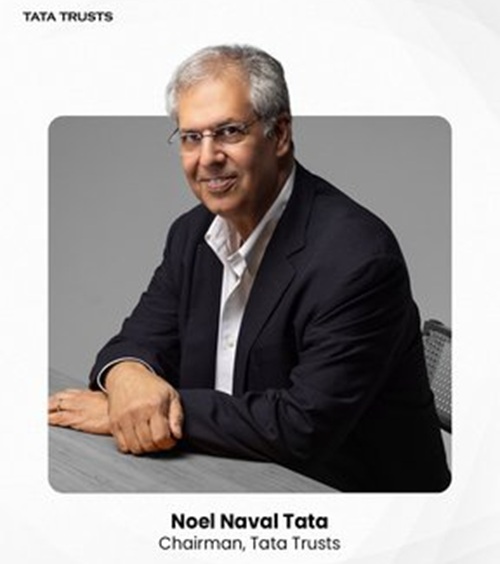
A major strategic proposal emerged within the holding company of the Tata group. Noel Mooted Tata Sons Split as an alternative to public listing requirements. The suggestion aims to navigate the Reserve Bank of India framework for upper-layer non-banking financial companies. Under current RBI mandates, Tata Sons must register as an upper-layer NBFC or alter its debt profile. Noel Tata suggested splitting the parent firm into separate operational and holding entities. The framework aims to maintain unlisted status while protecting long-term governance principles.
The regulatory framework introduced by the central bank classifies core investment companies based on their asset size and market inter-connectedness. Holding companies designated as upper-layer entities face strict timelines to list their shares on public stock exchanges. By proposing a division of assets, the group seeks to isolate non-core investments and separate operational businesses. This approach aims to reduce the parent company’s liability profile, effectively bringing its balance sheet below the regulatory threshold that mandates a mandatory initial public offering.
Also Read : https://indiathisweek.in/business/banks-plan-align-norms-project-finance-lending/
The proposal highlights the growing pressure on corporate conglomerates to comply with regulatory demands without sacrificing control or equity structures. If implemented, this structural realignment could serve as a model for other large holding companies in India facing similar compliance deadlines. Financial advisory firms and legal counsel have been consulted to evaluate how the separation of holding assets from operational management could be executed without creating adverse tax liabilities or disrupting dividend flows to the philanthropic trusts that own the majority stake in the conglomerate.
Board Decision and Internal Reorganization Pathways
| Strategic Option | Operational Approach | Regulatory Consequence |
| Traditional Public Listing | Issue public equity to comply with upper-layer NBFC rules. | Mandatory listing with elevated public disclosure requirements. |
| Structural Restructuring | Split Tata Sons into separate operational and holding entities. | Retains unlisted status while adjusting asset concentration. |
| Asset Realignment | Transfer specific assets directly to operating subsidiaries. | De-leverages balance sheet to alter NBFC categorization. |
The Tata Sons board evaluated the proposal during recent strategic reviews. Directors debated whether transferring core assets to operating subsidiaries could resolve compliance challenges. A decision on whether to proceed with structural changes remains pending before trust board members. Financial analysts note that the proposed reorganization requires approvals from regulators and key stakeholders.
Furthermore, key board members are evaluating how this split might impact individual company valuations across the wider conglomerate portfolio. Preserving the legacy governance framework remains a central priority for the Tata Trusts, which hold a controlling stake in the holding company. Internal discussions also focus on ensuring that operational independence across group entities like Tata Motors, TCS, and Tata Steel is maintained while navigating these structural adjustments. Legal experts suggest that any transfer of shares between trust entities or newly formed holding structures will require approval from the National Company Law Tribunal and the central bank.