
Bilateral Trade Pact Implementation Date Set
The historic India-NZ FTA Kicks In on October 20, 2026, marking a new phase in bilateral economic relations. Commerce and Industry Minister Piyush Goyal confirmed the tariff implementation schedule. The deal grants immediate duty-free market access to 100% of Indian goods exported to New Zealand.
The agreement removes high import tariffs on core Indian sectors like textiles, footwear, gems, and engineering products. Indian manufacturers will also gain tariff-free access to raw materials such as wooden logs, coking coal, and scrap metal. This tariff elimination gives Indian exporters a major competitive advantage over competing exporters in Southern Hemisphere markets.
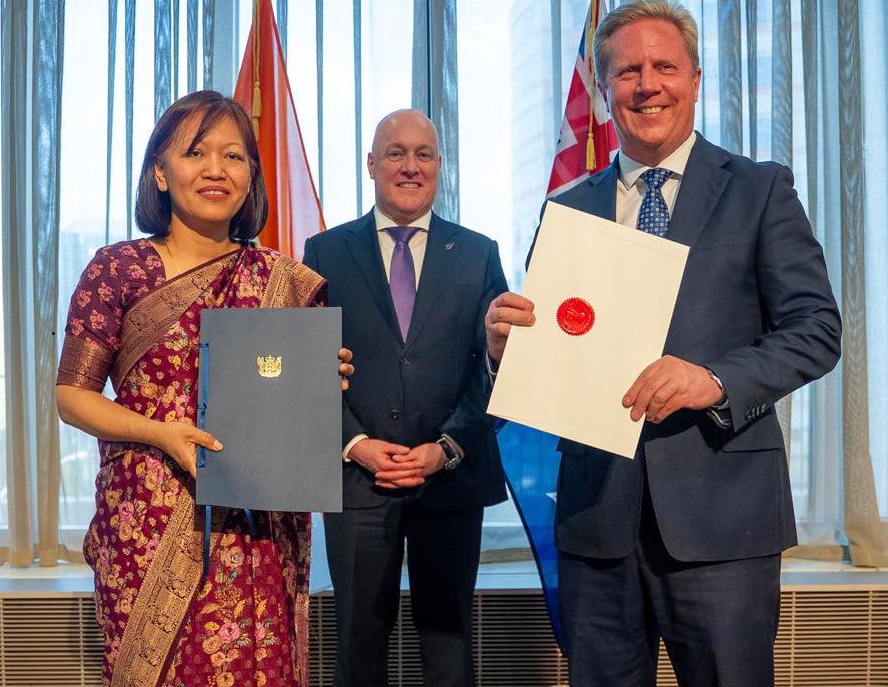
High Commissioner @MuanpuiiSaiawi and Hon @toddmcclaymp formally exchanged Diplomatic Notes confirming the completion of respective domestic legal processes for the India–New Zealand FTA, paving the way for its implementation from 20 October 2026. A significant milestone in… pic.twitter.com/8ja3ETXInU
— India in New Zealand (@IndiainNZ) September 21, 2026
Under the landmark pact, trade facilitation procedures will be streamlined through digitized customs verification, significantly reducing clearance times at major ocean ports. The deal also includes explicit rules of origin that prevent third-country routing, ensuring that trade benefits accrue directly to domestic industries in both nations. Service sector mobility is another crucial arm of the treaty, providing simplified visa processes for Indian professionals, IT specialists, and skilled workers looking to operate in New Zealand.
Foreign Direct Investment and Exclusion Lists
| Agreement Pillar | Current Status / Baseline | Post-FTA Target & Provision |
| Bilateral Trade Volume | $1.1 Billion annual volume | NZ$7 Billion targeted by 2030 |
| Tariff Reductions | Standard import duties apply | 100% duty-free market access for Indian goods |
| Investment Commitments | Routine capital inflows | $20 Billion committed over a 15-year horizon |
| Agricultural Exceptions | Standard import quotas | Sensitive items excluded (dairy, onions, sugar) |
New Zealand committed to invest 7 billion by 2030. To protect local agricultural interests, India excluded sensitive items like dairy, onions, chickpeas, and sugar from tariff concessions. The framework creates a dedicated investment desk to support New Zealand businesses expanding into Indian markets.
Moreover, the agreement sets up a specialized agricultural partnership focused on productivity and technology sharing. This collaboration will help modernizing supply chains and processing centers across various Indian states. Both governments have scheduled joint trade reviews every two years to assess implementation progress and resolve non-tariff barriers that may arise as commercial volumes scale up.