
Ashwamedh 2026 Conclave Examines Operational Challenges
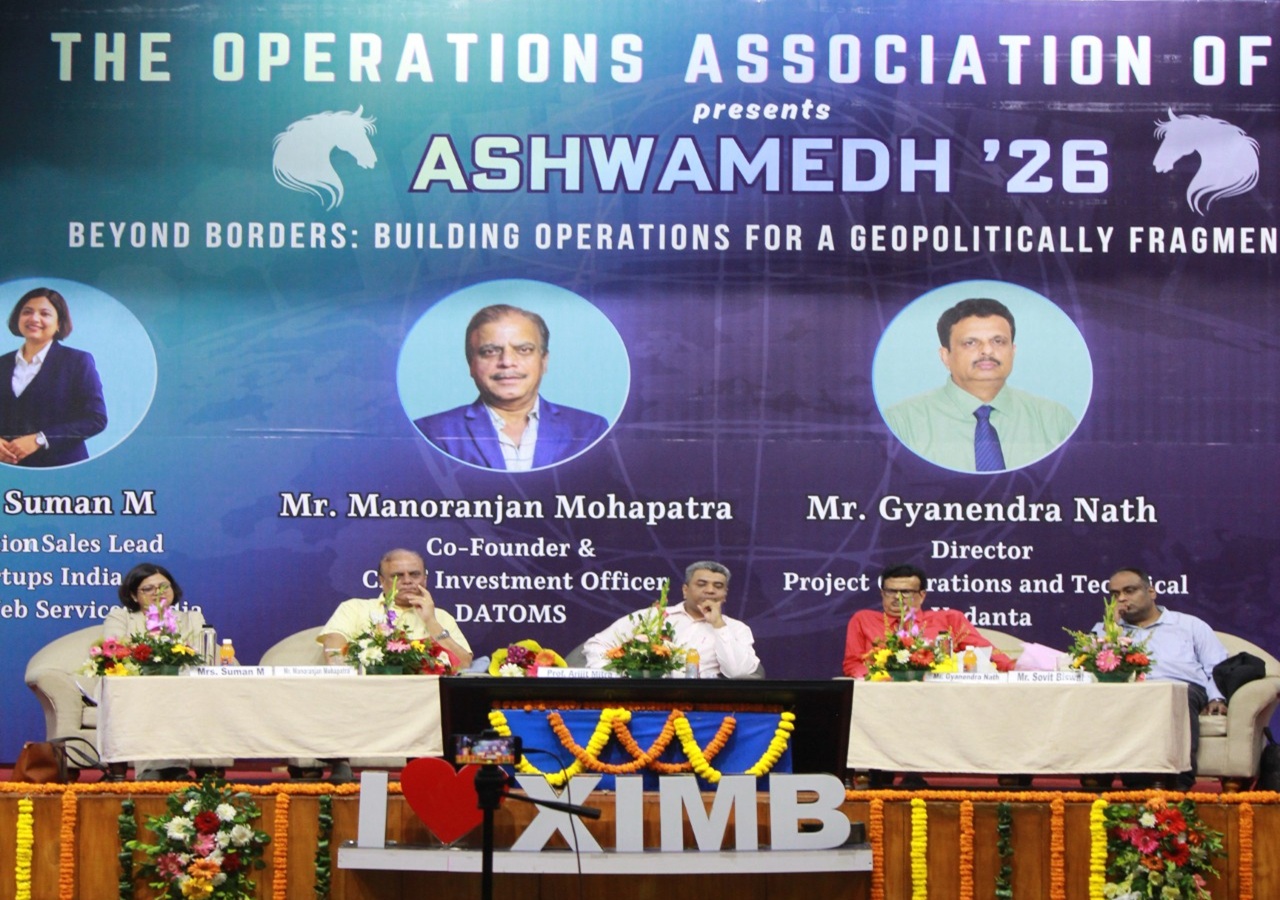
The Operations Association of XIM Bhubaneswar successfully organized its flagship business event, the Ashwamedh 2026 conclave, on September 13, 2026. The annual summit brought together distinguished alumni, corporate leaders, faculty members, and students. Participants gathered on campus to explore critical strategies for managing supply networks in an increasingly volatile world.
Ashwamedh 2026 Conclave Explores Resilience in Fragmented Global Supply Chains
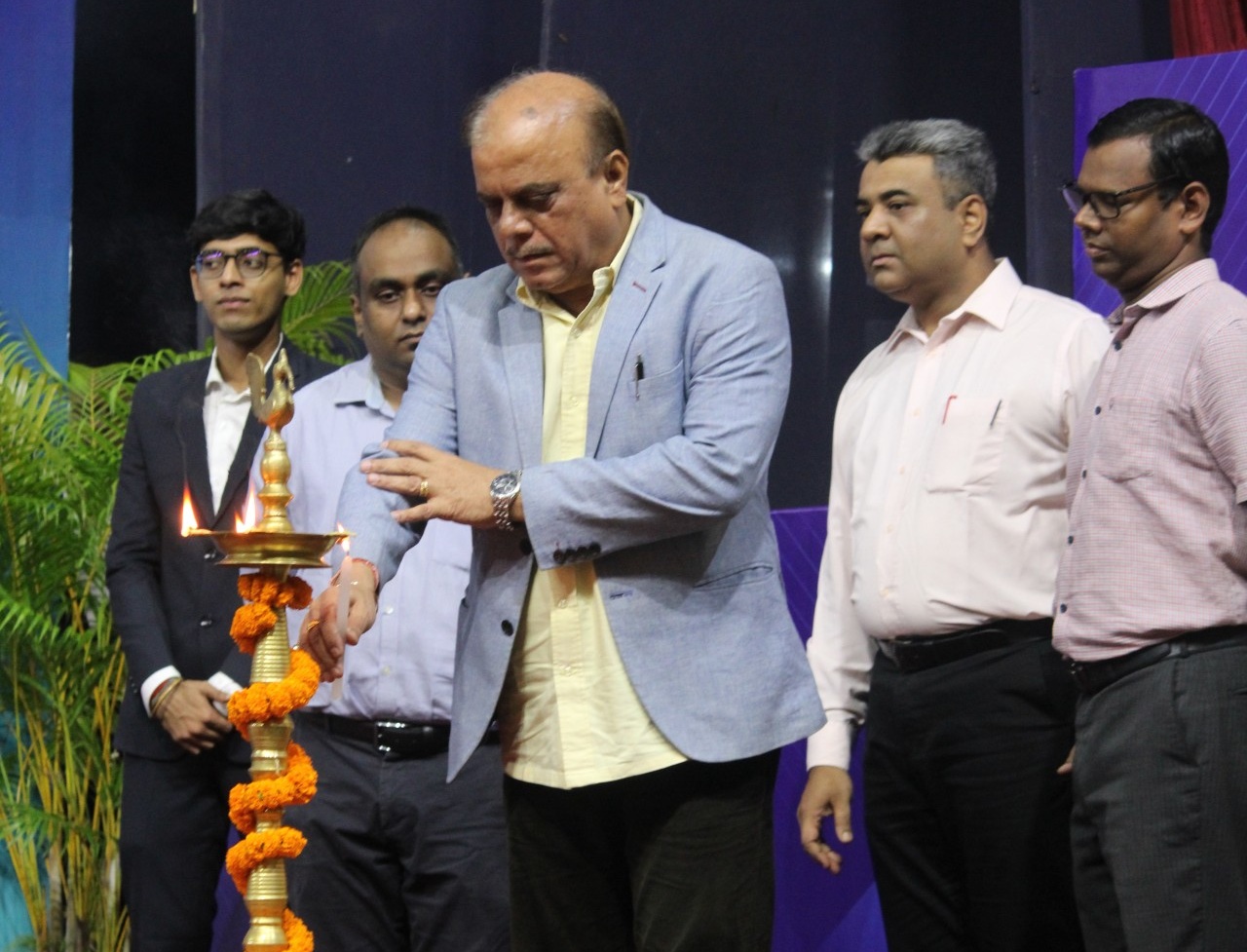
This year’s central theme focused on building resilient operations within a fragmented global marketplace. Business leaders addressed how rising international tensions, regional trade shifts, and technology disruptions impact modern supply chains. The day opened with a formal lamp-lighting ceremony and tokens of appreciation for the visiting experts.
Conclave Speakers and Core Themes Overview
The table below summarizes the key industry leaders and core operational frameworks presented during the Ashwamedh 2026 conclave:
| Speaker | Current Professional Role | XIMB Alumni Batch | Core Focus & Operational Strategy |
| Prof. Arijit Mitra | Conclave Moderator & Academic | Faculty Representative | Shifting focus from basic efficiency to deep supply chain resilience. |
| Mrs. Suman M | Migration Sales Lead, Startups India, AWS | Batch of 2017 | Managing supply chain siege, data sovereignty, and multi-country backup plans. |
| Mr. Manoranjan Mohapatra | Chief Investment Officer, DATOMS | Batch of 1990 | Implementing a five-pillar operating model to balance costs and fragmentation. |
| Mr. Gyanendra Nath | Director, Project Operations & Technical, Vedanta | Batch of 2003 | Building future-ready operations through ethical agility and data-driven choices. |
| Mr. Sovit Biswal | GM, Revenue & Operations, Home Easy | Batch of 2006 | Overcoming operational handoff friction and leveraging AI to sell outcomes. |
Building Resilient Supply Networks Under Geopolitical Pressure
Professor Arijit Mitra opened the panel discussions by outlining macro changes in global trade. He noted that international markets no longer operate on predictable, open terms. Unforeseen global events regularly disrupt manufacturing pipelines and shipping lanes.
Prof. Mitra explained that corporate leaders must look beyond simple cost-cutting measures. Modern enterprises cannot rely solely on just-in-time manufacturing models. Instead, executives need to build deep operational resilience to protect business continuity when crises emerge.
Navigating the Great Rewiring and Supply Chain Sieges
Suman M shared her insights on how cloud infrastructure and global logistics adapt to international friction. She categorized current market shifts into four major phases: The Great Rewiring, Supply Chain Under Siege, The Splinternet and Data, and Operating in the New World Order.
Also Read : XIM Bhubaneswar Business Excellence Summit 2026: Industry Leaders Map Path for Resilient Enterprises
Drawing on lessons from Taiwan’s critical semiconductor industry, Suman illustrated how geographic concentration creates vulnerability. She pointed out that major companies now manage operational footprints across dozens of nations to reduce risks. Successful organizations always prepare backup options for every primary decision point in their supply chain.
Supply Risk Management Pipeline:
Geopolitical Exposure Risk ──> Assess Critical Vulnerabilities ──> Deploy Multi-Region Units ──> Activate Backup Contingencies
Strategic Fault Lines and the Five-Pillar Model
Manoranjan Mohapatra offered an investor’s perspective on trade fragmentation versus long-term resilience. He detailed the rising hidden costs that companies incur when global trade corridors fracture.
To help businesses survive these cost pressures, Mohapatra presented a structured five-pillar framework. His strategic model emphasizes diversifying suppliers, regionalizing production hubs, digitizing tracking systems, modularizing workflows, and constantly testing scenario plans. Applying these five pillars enables firms to absorb market shocks without failing.
Five-Pillar Operating Framework:
Diversify Sources ──> Regionalize Hubs ──> Digitize Logistics ──> Modularize Workflows ──> Test Scenarios
Future-Ready Operations and Ethical Leadership
Gyanendra Nath addressed the practical steps required to construct future-proof industrial operations. He defined true resilience as an organization’s capacity to anticipate sudden shocks, protect essential workflows, recover quickly, and continue delivering value.
Nath emphasized that operational speed must align with high ethical standards and clear stakeholder communication. Companies need viable supply alternatives and robust data analytics to make sound decisions during crises. Balancing agility with social responsibility builds long-term brand trust.
Managing Operational Handoffs in the Age of AI
Sovit Biswal concluded the speaker sessions by sharing insights gained across software-as-a-service, fast-moving consumer goods, and property management sectors. He noted that business breakdown frequently occurs during operational handoffs between teams or systems.
Biswal urged future managers to re-evaluate how they deliver value to end consumers. He advised businesses to sell measurable outcomes rather than standalone products. Furthermore, he reminded students that artificial intelligence will soon automate routine task execution, making human adaptability and creative problem-solving essential skills.
Value Creation Transition:
Routine Task Execution ──> AI Automation Integration ──> Focus on Outcome Sales ──> Differentiated Human Strategy
Key Takeaways for Tomorrow’s Operations Leaders
The Ashwamedh 2026 conclave concluded with an interactive question-and-answer session between students and panellists. Faculty members presented mementos and alumni gifts to the guest speakers to express gratitude.
The conference highlighted a clear message for the next generation of business leaders: operational excellence requires continuous adaptation. Organizations that embrace flexible structures, regional supply strategies, and advanced technology will lead the global economy forward.