
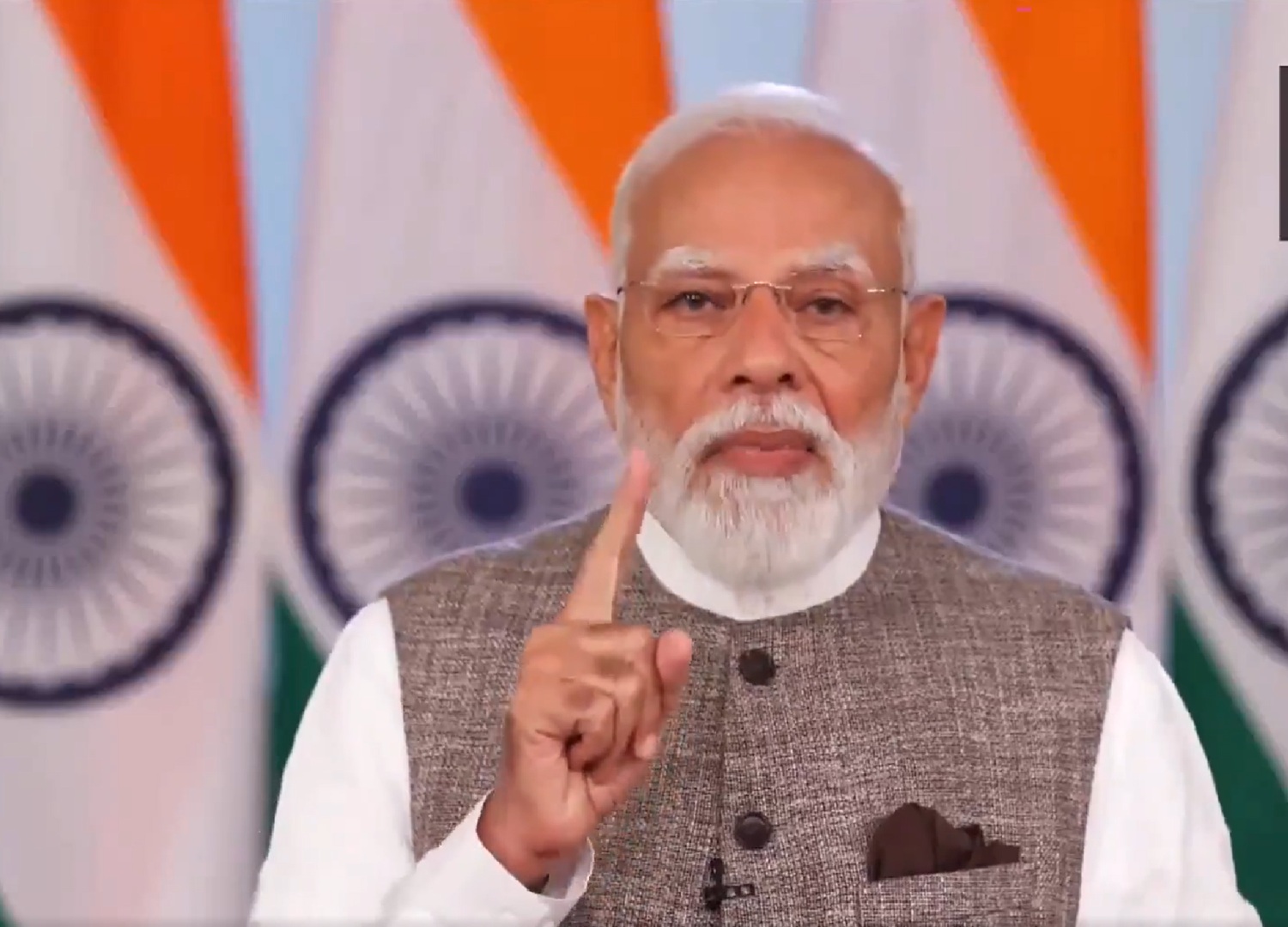
NEW DELHI : Prime Minister Narendra Modi chaired his third high-level PM Modi meeting with secretaries at his official residence, 7 Lok Kalyan Marg. The meeting brought together top bureaucrats, the Cabinet Secretary, and key Prime Minister’s Office officials. During the discussion, PM Modi outlined a forward-looking roadmap for India’s governance. Furthermore, he urged senior administrators to look beyond daily operational statistics. He urged them to shape policies with a long-term perspective.
The high-level session covered critical government verticals. These sectors included Infrastructure and Connectivity, Security and External Affairs, and Governance. Prime Minister Modi emphasized that officials must break down departmental silos. He noted that silos represent an organizational challenge and a mind-set issue. Additionally, he highlighted both horizontal and vertical barriers within administrative bodies. Therefore, he asked officers to take strong ownership of their departments. He encouraged them to foster a deep spirit of belongingness.
Also Read : Pradeep Rai Elected Supreme Court Bar Association President: Landslide Victory in SCBA Polls
During the PM Modi meeting with secretaries, the Prime Minister referenced past success stories. He cited effective cross-departmental coordination during the COVID-19 pandemic and the West Asia crisis. Furthermore, he urged that such seamless collaboration must become a natural part of daily work culture.
Harnessing AI Capabilities and Modernizing Data Management
Technology formed a major cornerstone of the administrative address. The Prime Minister called for the effective adoption of Artificial Intelligence across public departments. However, he stressed that human judgment must always remain central to decision-making. Consequently, officials should explore innovative frameworks that combine AI capabilities with human expertise.
Moreover, Prime Minister Modi identified data as a fundamental national asset and future resource. Although the government invests significant resources to collect and store data, fragmented systems limit its full utility. Thus, he urged departments to overcome varied management practices. He asked officers to implement solutions for greater data interoperability.
Expanding Youth Inclusion and Strengthening National Security
To bring fresh ideas into policymaking, PM Modi called for deeper institutional engagement. He requested ministries to work directly with universities and young people. Additionally, he noted that active youth collaboration brings unconventional perspectives to traditional governance challenges.
In another major direction during the PM Modi meeting with secretaries, the Prime Minister prioritized research and innovation in defence. He stressed the urgent need to make India’s defence industry globally competitive. Moreover, he advocated for specialized defence training programs to advance human resource capabilities.
Regarding maritime progress, PM Modi called for evaluating whether shipbuilding infrastructure objectives are meeting targets. He reiterated that the nation must shift from mere port development to port-led development. Furthermore, establishing tighter links between manufacturing units and export nodes will maximize India’s maritime capacity.
Promoting Informal Teamwork and Whole-of-Government Approach
Ultimately, the Prime Minister concluded the session by reinforcing a whole-of-government mandate. He encouraged senior leaders to interact informally with junior officers. Building stronger networks across cadres will enhance administrative output.
Secretaries present at the venue shared key ground experiences, implementation challenges, and sectoral priorities. This series of engagements demonstrates the government’s focus on collective ownership, strategic innovation, and efficient execution.