
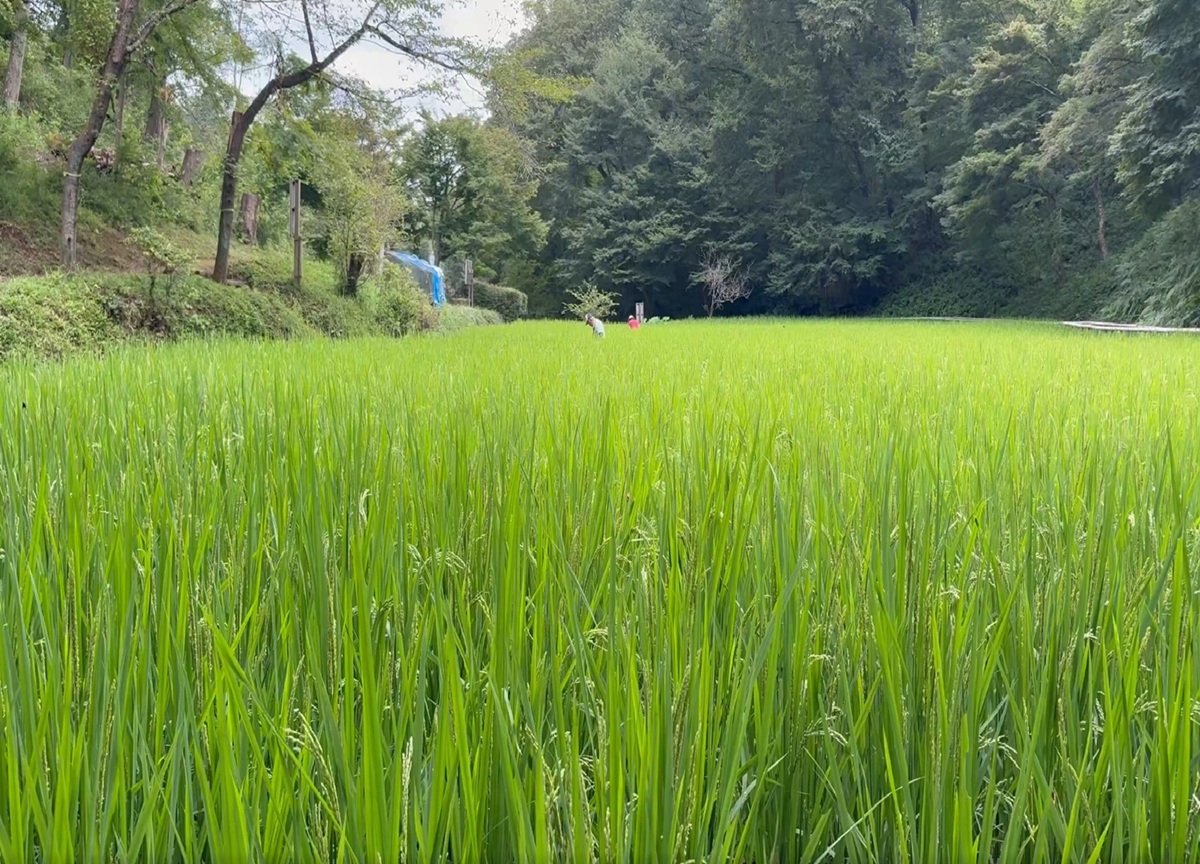
Rapid Rise In Sustainable Paddy Cultivation Across Punjab
The Direct Seeded Rice adoption rate in Punjab recorded a 36 percent increase during Kharif 2026. Agriculture officials confirmed that farmers cultivated over 4 lakh acres using this eco-friendly method. In contrast, growers covered nearly 2.94 lakh acres with DSR technology during 2025.
This sharp upward movement highlights growing trust in modern agricultural practices across the state. Exactly 31,478 registered farmers chose direct seeding for their rice fields this year. Meanwhile, state programs continue to guide growers away from traditional flooded nursery practices.
| Performance Benchmark | Kharif 2025 | Kharif 2026 | Total Growth |
| Total DSR Area | 2.94 Lakh Acres | 4.00+ Lakh Acres | +36% Jump |
| Registered Farmers | ~25,800 Farmers | 31,478 Farmers | +21.7% Increase |
| Financial Support Budget | ₹35.16 Crore | ~₹61 Crore | Expanded Incentives |
Also Read : Fazilka Police Arrests 1,331 In 924 NDPS Cases During Yudh Nashean Virudh Campaign
State Incentives Drive Higher Direct Seeded Rice Adoption
Financial backing plays a major role in expanding Direct Seeded Rice adoption statewide. The Punjab government provides a direct financial incentive of ₹1,500 per acre to participating growers. Total support funds will reach nearly ₹61 crore for the current agricultural cycle.
In addition, direct cash transfers help farmers absorb initial machine operational expenses. Specialized seed drills drill paddy seeds directly into moist soil without nursery pooling. Consequently, field preparation costs decrease while planting productivity increases.
Agricultural workers access these scheme benefits through simplified digital registration portals. Furthermore, state field teams verify planted areas directly to guarantee rapid payment processing.
Critical Environmental Impact On Punjab Groundwater Reserves
Heavy groundwater depletion makes Direct Seeded Rice adoption a strategic necessity for Punjab. Traditional paddy transplanting requires deep field flooding during peak summer heat. However, direct seeding saves about 15 to 20 percent of precious irrigation water per acre.
Moreover, direct seeding preserves natural soil structure by eliminating deep puddling. Field soils retain higher organic vitality and absorb monsoonal rainfall more effectively. Therefore, switching to direct sowing builds long-term climate resilience across major farming belts.
- Water Savings: Conserves 15% to 20% of groundwater per acre.
- Labor Reduction: Eliminates manual nursery pulling and transplanting labor.
- Soil Health: Keeps soil aeration intact without destructive field puddling.
- Cost Efficiency: Reduces diesel consumption during land preparation steps.
Regional Performance Trends Across Farming Districts
South-western districts represent the main driving force behind Direct Seeded Rice adoption. Fazilka district led the state overall by bringing over 1.55 lakh acres under DSR cultivation. Over 12,000 farmers participated in Fazilka alone.
Similarly, Sri Muktsar Sahib ranked second by covering more than 1.06 lakh acres through 7,345 registered growers. Ferozepur, Bathinda, and Sangrur also logged impressive participation levels. Together, these top five districts account for most of Punjab’s total DSR coverage.
Conversely, central and northern districts report slower adoption rates due to differing soil profiles. Nonetheless, government extension services actively introduce customized machinery to encourage regional adoption state-wide.
Step-By-Step Scheme Registration Process
Eligible cultivators can easily participate in future incentive drives through official digital channels.
- Visit the official Portal for Punjab Agriculture Schemes or Agri-Machinery Portals.
- Log in using your registered Aadhaar or mobile details.
- Select the Direct Seeded Rice incentive option for the active season.
- Enter verified land details, district identification, and bank account information.
- Submit the digital application before announced departmental deadlines.
Additionally, growers seeking field advice can connect directly with local district officers. Officials provide on-site assistance regarding weed management and machine calibration.
Sustainable Long-Term Outlook For Punjab Farming
Widespread Direct Seeded Rice adoption marks a major shift toward sustainable food production. By reducing labor costs and water consumption, farmers protect their seasonal profit margins.
Furthermore, lower reliance on seasonal migrant labor gives farm families greater operational control. As machinery access improves, Punjab moves closer toward balancing agricultural output with groundwater preservation.
“Adopting water-efficient technologies secures farm livelihoods while safeguarding precious natural resources for future generations.”
— Department of Agriculture & Farmers Welfare, Punjab
Consequently, Punjab sets a strong national example for climate-smart crop management. State leaders plan to expand technical outreach so more growers adopt water-saving techniques next year.