
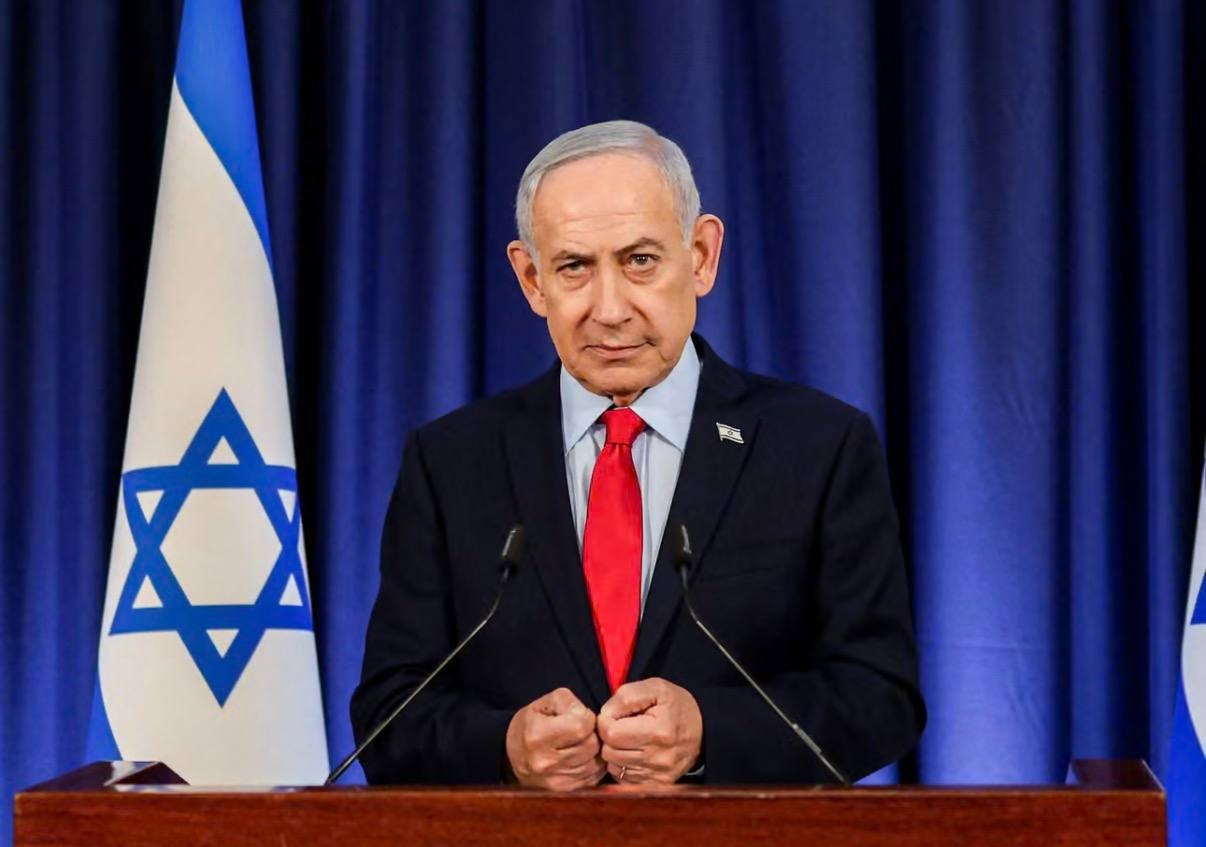
JERUSALEM — Israeli Prime Minister Benjamin Netanyahu recently shared his perspective on shifting political dynamics across Europe during an appearance on Israel’s Army Radio podcast. Focusing on historical shifts in Western alliance structures, Netanyahu pointed to changing ideological tides across European nations, specifically referencing the United Kingdom using the phrase “Islamic Republic of Britain”.
His remarks highlight deep-seated viewpoints within Israeli leadership regarding shifting public sentiment, changing demographic realities, and the long-term impact on Western foreign policy. Netanyahu’s position arrives as his administration continues to emphasize the need for unwavering clarity when assessing global threats—most notably regarding radicalization and nuclear proliferation.
Netanyahu on Britain:
You might call Britain the “Islamic Republic of Britain.”
Someone said that the first Islamic republic with nuclear weapons will be the Islamic Republic of Britain.
We’re making sure there won’t be another one—you know, in Iran. pic.twitter.com/EmLpSvYtxu
— Clash Report (@clashreport) August 13, 2026
Netanyahu Highlights Historical Contrasts in Western Policy
During the broad-ranging interview, Netanyahu looked back over five decades of diplomatic history. He brought up the legacy of former British Prime Minister Winston Churchill. Specifically, he praised positive reporting delivered by Churchill’s son, Randolph Churchill, during Israel’s 1967 Six-Day War.
However, Netanyahu contrasted that historical solidarity with today’s political environment in Western capitals.
“Go find that in today’s Britain, in what is called the Islamic Republic of Britain,” Netanyahu stated, drawing a direct link between political shifts and broader cultural transformations.
When asked by the host if European dynamics were shifting uniformly, Netanyahu expanded on his point. He noted observations regarding regional security risks and ideological evolution across the continent.
“Yes, but you know someone said the first Islamic republic with nuclear weapons will be the Islamic Republic of Britain,” Netanyahu added.
For Netanyahu, utilizing the phrase Islamic Republic of Britain served as a direct rhetorical device to emphasize how rapidly historical alliances can erode when ideological foundation shifts take place within democratic states.
Strategic Context: Security and Nuclear Proliferation
From Netanyahu’s viewpoint, these observations tie directly into broader regional security strategies. His government has long maintained that Western nations must remain vigilant against extremist movements gaining systemic political influence.
Furthermore, Netanyahu’s focus on nuclear threats remains central to his worldview. By contrasting Western nuclear states with Middle Eastern ideological regimes, Netanyahu highlights his concern over non-traditional security threats facing established Western powers.
His use of the Islamic Republic of Britain terminology reflects broader arguments often made in defense circles about how internal societal shifts can eventually influence a country’s foreign policy and nuclear posture. Key elements of his framework include:
- Cultural Integration: Netanyahu highlights potential challenges involving integration and radicalization within democratic states.
- Foreign Policy Alignment: He cautions that traditional Western support for Israel faces challenges from changing internal political pressure groups.
- Defense Strategy: He argues that global security depends on Western nations retaining clear-eyed defense priorities rather than yielding to domestic ideological pressures.
The Broader Geopolitical Vision
Rather than viewing policies in isolation, Netanyahu views recent shifts as part of a wider trend in Western politics. By bringing attention to what he views as the Islamic Republic of Britain dynamic, he signals that Israel will assertively articulate its security concerns, even when challenging traditional diplomatic norms.
As international debates around regional defense continue, Netanyahu’s statements serve as a clear reminder of his worldview. His emphasis on firm national defense, historical perspective, and nuclear security remains central to his administration’s messaging at home and abroad.
Moving forward, Netanyahu’s analysis underscores a clear message: global security requires traditional powers to recognize internal political shifts and remain anchored to historical defense principles to safeguard long-term stability.