
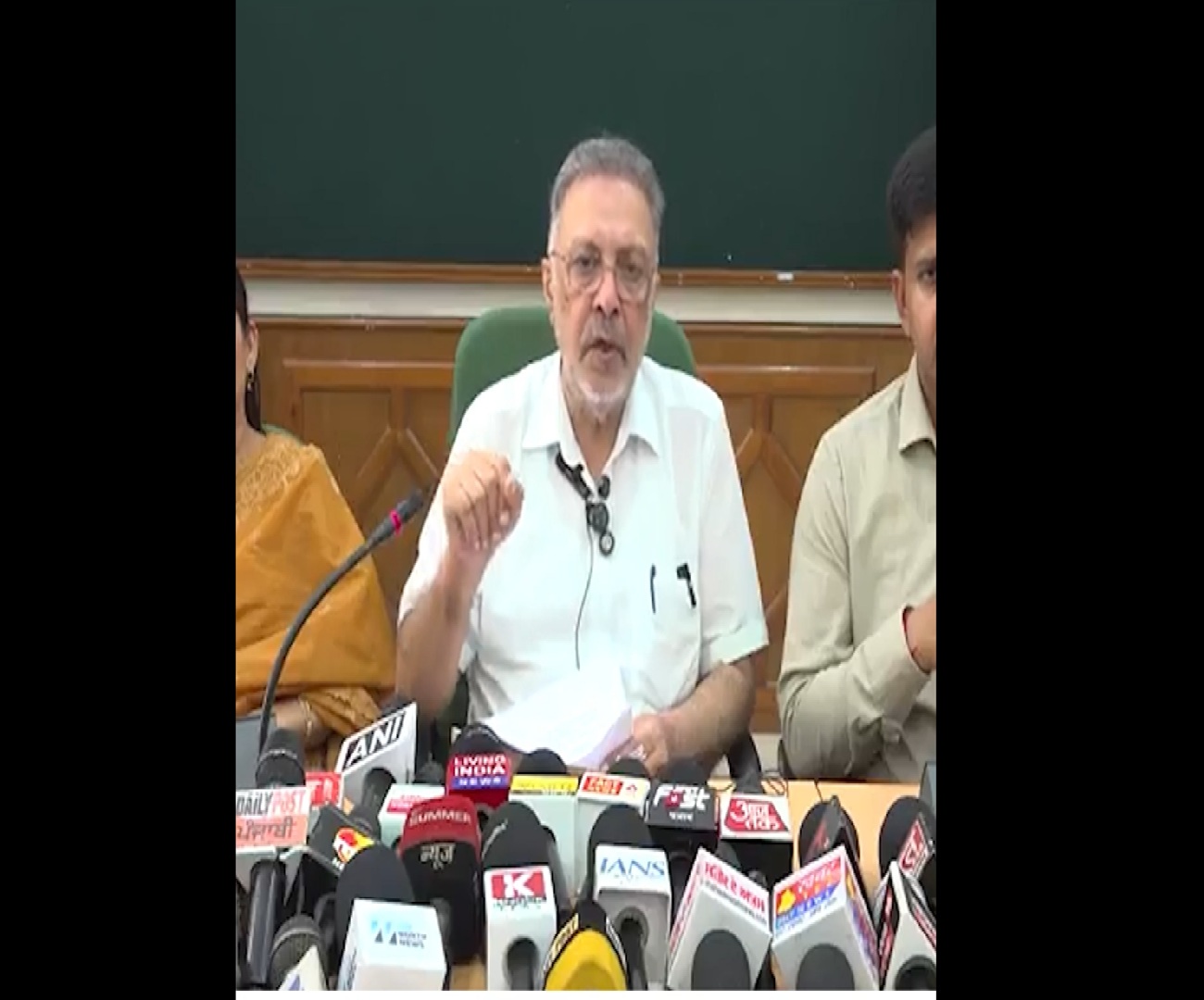
Proactive Governance Prioritizes Seasonal Disease Prevention
The Punjab government has unveiled an extensive health strategy designed to tackle water-borne and vector-borne illnesses before monsoon rains hit full intensity. Presiding over a comprehensive state task force briefing, Health Minister Dr. Balbir Singh detailed the massive logistical framework protecting citizens. The state administration wants to eliminate legacy gaps in healthcare delivery by acting months ahead of traditional schedules. Consequently, this multi-departmental approach targets vulnerable urban centers and rural hubs showing high historical transmission patterns.
ਮਾਨਸੂਨ ਦੌਰਾਨ ਪਾਣੀ ਕਾਰਨ ਫ਼ੈਲਣ ਵਾਲੇ ਰੋਗਾਂ ਤੋਂ ਬਚਾਅ ਲਈ ਮਾਨ ਸਰਕਾਰ ਪੂਰੀ ਤਰ੍ਹਾਂ ਤਿਆਰ ਹੈ। ਡੇਂਗੂ ਦੀ ਰੋਕਥਾਮ ਲਈ ‘ਡੇਂਗੂ ‘ਤੇ ਵਾਰ’ ਮੁਹਿੰਮ ਇਸ ਵਾਰ ਅਪ੍ਰੈਲ ਮਹੀਨੇ ਤੋਂ ਹੀ ਸ਼ੁਰੂ ਕਰ ਦਿੱਤੀ ਗਈ। 2300 ਵਿਸ਼ੇਸ਼ ਜਾਂਚ ਟੀਮਾਂ ਅਤੇ 881 ਰੈਪਿਡ ਰਿਸਪਾਂਸ ਟੀਮਾਂ ਤੈਨਾਤ ਕੀਤੀਆਂ ਜਾ ਰਹੀਆਂ ਹਨ। ਆਮ ਆਦਮੀ ਕਲੀਨਿਕਾਂ ਰਾਹੀਂ ਡੇਂਗੂ ਦੀ… pic.twitter.com/3wfIHGwcqX
— Dr Balbir Singh (@AAPbalbir) July 17, 2026
The cornerstone of this programmatic shift is the official Strike on Dengue campaign, which started operations early in April. Historically, regional health bodies delayed preventive cleanups until severe outbreaks occurred, costing valuable lives. However, the current administration reversed this timeline to halt early mosquito breeding cycles before heavy downpours begin. By neutralizing larvae in stagnant municipal zones early, the state builds a protective shield across all twenty-three districts.
Furthermore, administrative focus covers more than just major cities. Recent epidemiology reports show that rural communities now account for over forty percent of annual infections. Therefore, the state is redirecting field teams toward village ponds, rural drainage lines, and decentralized farming communities. This rapid operational pivot ensures equal health access regardless of geographic locations.
Also Read : Arvind Kejriwal Jantar Mantar Protest: AAP Leader Demands Action on Paper Leaks
Massive Deployment of Specialized Monitoring Teams
To ensure absolute efficiency, the health ministry activated an unprecedented number of frontline workers. The state successfully deployed 2,300 special investigation teams tasked with localized house-to-house surveillance. Additionally, 881 rapid response teams stand fully prepared to handle sudden localized case clusters. These professional emergency units contain highly trained epidemiologists, auxiliary nurses, and public sanitization specialists.
This structured deployment grid highlights how the Strike on Dengue campaign transforms conventional community monitoring practices. Over one hundred thousand nursing students and paramedical workers function as official breeder checkers. These field checkers examine domestic desert coolers, flower pots, and open water storage units weekly. Property owners receive direct education on keeping their surroundings completely dry.
Exponential Expansion in Diagnostic Infrastructure
The strongest pillar of this seasonal initiative involves the exponential rise in free diagnostic access. Over the past twelve months, routine screening volumes jumped from just five thousand tests to over fifty-two thousand. This incredible ten-fold capacity growth relies heavily on the widespread network of 881 Aam Aadmi Clinics. These localized primary healthcare hubs offer free rapid diagnostic services directly to neighborhood families.
Furthermore, every diagnostic panel conducted under the Strike on Dengue campaign remains completely free at government installations. To shield citizens from predatory market rates, private labs face strict price caps for confirmatory testing. The expansion of local clinical sites helps regular workers avoid long, expensive trips to distant district hospitals. Early medical detection allows local doctors to treat severe fevers before dangerous internal bleeding complications develop.
Additionally, the state integrated its testing data with the national digital health information platform. This allows real-time monitoring of every positive result, helping emergency response teams locate hidden disease clusters instantly. This digital tracking framework helps the state allocate medicine and beds to high-risk areas before local clinics get overwhelmed.
Enforcing Public Accountability and Inter-Departmental Action
The health ministry is also enforcing strict administrative discipline across related public departments to ensure lasting results. The ongoing Strike on Dengue campaign coordinates closely with school education bodies, transport departments, and municipal corporations. For instance, state transport workshops must immediately clear discarded tires and vehicle parts that trap stagnant rainwater. School officials face strict mandates to keep overhead tanks and mid-day meal kitchens completely clean.
Moreover, the state emphasizes that every single rupee of public tax revenue goes directly back into citizen welfare. The current administration remains deeply committed to building robust, accessible public healthcare infrastructure for all social classes. By combining advanced digital reporting, massive clinical expansion, and intense community participation, the province establishes a resilient model for vector control. This proactive approach aims to make the state entirely disease-free during the upcoming monsoon season.