
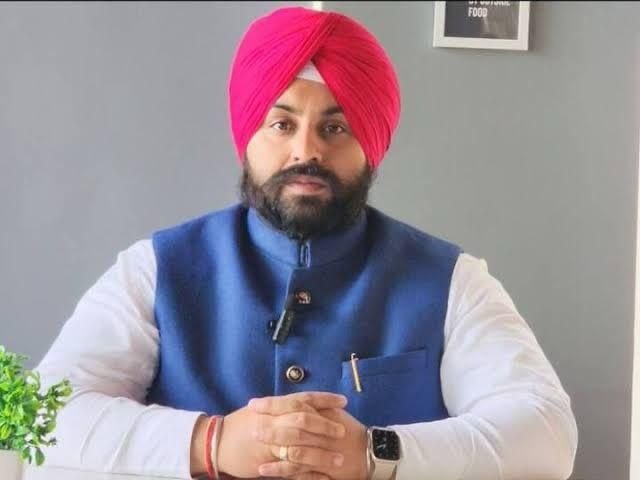
A Strategic Transformation of Rural Transportation Networks
The government has launched a highly ambitious infrastructure initiative targeting the core transportation lifelines of the state. Cabinet Minister Harjot Singh Bains announced that the administration is implementing a comprehensive modernization phase for all regional connectivity paths. This large-scale policy focus addresses long-standing structural deficits within the local transit system. By rebuilding these critical pathways, the government establishes a solid foundation for long-term provincial development.
ਨਿਰੋਲ ਨੀਅਤ ਅਤੇ ਲੋਕ ਭਲਾਈ ਦੇ ਸੰਕਲਪ ਨਾਲ ‘ਤੁਹਾਡੀ ਆਪਣੀ ਮਾਨ ਸਰਕਾਰ’ ਨੇ ਪੇਂਡੂ ਪੰਜਾਬ ਵਿੱਚ ਵਿਕਾਸ ਦੀ ਨਵੀਂ ਮਿਸਾਲ ਕਾਇਮ ਕੀਤੀ ਹੈ। ਮਜ਼ਬੂਤ ਅਤੇ ਉੱਚ ਗੁਣਵੱਤਾ ਵਾਲੀਆਂ ਸੜਕਾਂ ਨਾਲ ਪਿੰਡਾਂ ਦੀ ਦਿੱਖ ਨਿੱਖਰ ਰਹੀ ਹੈ ਅਤੇ ਹਰ ਰੋਜ਼ ਦਾ ਸਫ਼ਰ ਹੋਰ ਵੀ ਆਸਾਨ, ਸੁਰੱਖਿਅਤ ਅਤੇ ਸੁਵਿਧਾਜਨਕ ਬਣ ਰਿਹਾ ਹੈ। pic.twitter.com/4qagVLCV3z
— Harjot Singh Bains (@harjotbains) July 16, 2026
The operational backbone of this multi-district project focuses explicitly on the massive network of Punjab rural link roads. Historically, remote agrarian sectors suffered from subpar tarmac quality, which hindered cargo transit and increased transit mishaps. The current administration has completely overhauled these conditions by deploying high-grade construction materials. As a direct result, everyday travel for thousands of farming households is becoming significantly easier, safer, and highly convenient.
Also Read : Strike on Dengue Campaign: Punjab Health Minister Strengthens Monsoon Readiness
Furthermore, administrative monitoring has moved beyond simple periodic resurfacing works. The state Public Works Department (PWD) now enforces strict engineering guidelines to withstand extreme weather conditions. These structural upgrades successfully eliminate sub-standard execution patterns that previously caused rapid asphalt deterioration. Consequently, local market access for remote agricultural communities has improved dramatically.
Eradicating Administrative Malpractice via Strict Fiscal Oversight
For several decades, regional infrastructure allotments suffered from deep-rooted administrative leakage and political favoritism. Previous governance models frequently utilized patchwork repairs that required continuous, costly intervention cycles. However, the state has actively introduced an uncompromising, corruption-free framework to manage public resources transparently. Every rupee collected through public taxes is directly visible in the superior quality of the newly laid surfaces.
This structural accountability matrix guarantees that contractors remain fully liable for their work. By embedding the five-year mandatory maintenance clause directly into all official tenders, the state eliminates substandard construction practices. Independent engineering supervisors utilize advanced tracking metrics to evaluate layer thickness and material density before releasing corporate payouts. Therefore, the modern expansion of Punjab rural link roads serves as an excellent benchmark for institutional transparency.
Technical Innovation Drives Enhanced Commuter Safety
The latest phase of development integrates advanced technology to optimize safety across the entire local network. Specialized engineering teams recently completed an extensive Artificial Intelligence (AI) survey to map structural flaws. This innovative digital audit allowed the state to save hundreds of crores in public revenue by targeting actual problem areas accurately. The administration is reinvesting these substantial savings directly into advanced road safety installations.
A key safety measure involves painting wide, reflective white strips on both edges of all Punjab rural link roads. This simple yet highly effective addition provides clear visibility for drivers navigating heavy winter fog or dark night conditions. Additionally, the PWD is installing distinct citizen informatory signboards at regular intervals of two kilometers. These clear public boards display the exact project costs, executing agencies, and emergency helpline contacts to ensure complete community oversight.
Furthermore, these safety upgrades dramatically lower response times for emergency medical vehicles trying to reach remote locations. Rural residents no longer experience dangerous delays when transporting critical patients to major urban healthcare centers. This vital improvement proves that smart design can actively protect human lives while boosting economic productivity.
Future Blueprints for Sustainable Grassroots Development
The state government remains deeply committed to finishing the entire upgrade schedule well ahead of traditional institutional deadlines. Minister Harjot Singh Bains confirmed that the administration will conduct rigorous weekly reviews to maintain steady project velocity. By linking distinct agrarian hubs to urban industrial zones, the state builds a resilient economic corridor. The upgrade of Punjab rural link roads effectively addresses the long-standing urban-rural divide.
Moreover, public feedback indicates high levels of community satisfaction regarding these recent infrastructure developments. Local village councils now possess a direct voice in determining local project timelines through decentralized planning sessions. By prioritizing top-tier structural quality, enforcing complete financial honesty, and ensuring continuous contractor maintenance, the administration reshapes the provincial landscape. This inclusive governance model brings real progress and renewed pride to everyday citizens across the region.