
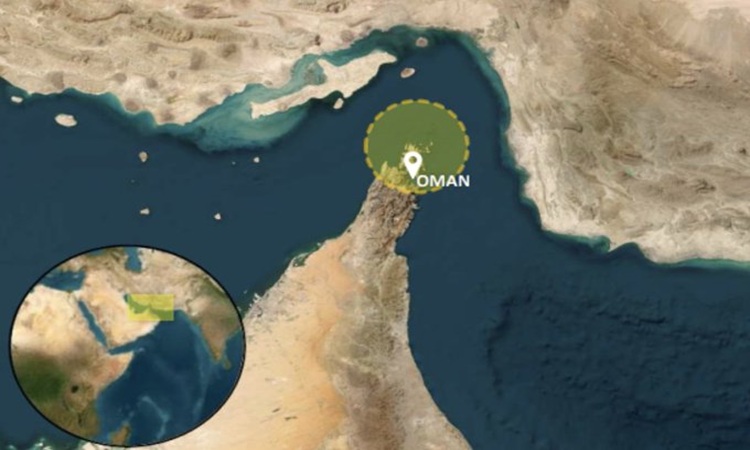
The volatile maritime corridors of the Middle East have experienced a dangerous escalation over the past 24 hours. Specifically, a rapid series of fresh Strait of Hormuz ship attacks has left three international commercial tankers damaged. The United Kingdom Maritime Trade Operations agency officially confirmed these consecutive maritime incidents on Tuesday morning. Consequently, maritime security alerts have reached their highest level across the vital shipping lane.
Furthermore, the government of Qatar has openly blamed Iranian military forces for executing these highly disruptive strikes. The targeted actions have instantly disrupted global oil shipping markets, driving energy prices upward. Naval forces in the region are currently operating under maximum readiness guidelines to protect civilian vessels. However, shipping companies are already reconsidering their navigation routes through the narrow waterway. This sudden spike in hostility threatens to engulf the entire region in a much broader economic conflict.
Qatar Condemns Drone Strike on Al Rekayyat Tanker
The diplomatic fallout from the latest Strait of Hormuz ship attacks has severely strained regional political relations. According to official maritime logs, a specialized uncrewed aerial vehicle directly struck a prominent Qatari vessel. The targeted liquefied natural gas tanker, identified as the Al Rekayyat, sustained minor structural damage during the incident. Fortunately, port authorities reported no human casualties or immediate environmental hazards following the drone impact.
Also Read : Mojtaba Khamenei Missing Funeral as Brothers Lead Prayers for Slain Iranian Supreme Leader
Consequently, Qatari Foreign Ministry spokesperson Majed Al-Ansari issued a blistering public statement against the aggressive operation. He explicitly characterized the maritime strike as an unacceptable assault on international navigation freedom. Moreover, Al-Ansari emphasized that such actions pose a direct, severe threat to global energy security infrastructure. The ministry officially declared the incident an explicit and serious violation of established international maritime laws.
Meanwhile, Iranian state television offered a highly defensive narrative regarding the specialized shipping incident. The broadcast asserted that the tanker came under fire only after completely ignoring official naval warnings. However, Tehran officials have not yet issued a formal administrative claim of responsibility for the drone launch.
UKMTO Details Widespread Maritime Destruction Off Oman
The operational reports provided by the UKMTO reveal a much wider pattern of coordinated maritime aggression. Prior to the Qatari vessel incident, authorities monitored two other separate Strait of Hormuz ship attacks. Both commercial vessels came under heavy fire while traveling smoothly off the coast of Oman. One of these large ships sustained significant structural damage below its main waterline.
Additionally, the second targeted commercial vessel caught fire, requiring immediate emergency intervention from regional coast guards. These back-to-back maritime crises indicate that the strategic channel has become incredibly unsafe for international merchant fleets. Historically, nearly one-fifth of all globally traded oil and natural gas passes directly through this narrow bottleneck. Therefore, any prolonged disruption to this specific route triggers catastrophic consequences for the global economy.
Western intelligence officials suspect that Iran is intentionally enforcing an unapproved maritime transit zone. Iranian commanders have repeatedly declared that only their specifically approved shipping lanes remain safe from kinetic intervention. Vessels choosing alternative paths closer to the Omani shoreline face immense risks from loitering munitions.
US Peace Negotiations Stand Still Amid Regional Warfare
These latest Strait of Hormuz ship attacks directly threaten delicate, high-stakes international diplomacy involving major global superpowers. The United States government remains incredibly eager to press forward with comprehensive regional peace negotiations. Washington aims to use these diplomatic channels to secure a permanent reopening of the crucial strait.
Furthermore, the proposed peace framework intends to roll back Tehran’s highly disputed nuclear development program. Additionally, diplomats hope to reach a permanent end to the broader regional war that erupted on February 28. However, previous maritime strikes in the channel have consistently triggered severe retaliatory airstrikes by American military assets. Following those past American counterstrikes, Iranian forces routinely launched retaliatory rocket barrages against neighboring Gulf Arab nations. This vicious cycle of kinetic violence complicates current diplomatic efforts to establish a lasting ceasefire agreement. International mediators in Qatar are finding it exceedingly difficult to bring both sides to the negotiating table.
Khamenei Funeral Ceremonies Delay Critical Diplomatic Breakthroughs
The prospects for an immediate diplomatic resolution face further delays due to domestic political events inside Iran. Formal bilateral talks between Washington and Tehran are currently on hold due to national mourning ceremonies. The Islamic Republic is currently organizing extensive state funeral processions for its late Supreme Leader, Ayatollah Ali Khamenei.
The senior cleric was killed during the intense opening phases of the regional war earlier this year. On Tuesday, military authorities flew his remains to the prominent Shiite seminary city of Qom. Massive crowds of emotional mourners gathered in the streets to honor the deceased leader with religious chants. Alarmingly, many participants at the public funeral openly called for the death of US President Donald Trump.
This intense domestic environment makes immediate diplomatic concessions by Iranian officials politically impossible. Therefore, the strategic Strait of Hormuz ship attacks are likely to continue in the short term. Global energy markets must brace for ongoing instability as long as the diplomatic channels remain entirely frozen. Until a formal burial occurs, the risk of a miscalculation in the waterway remains dangerously high.