
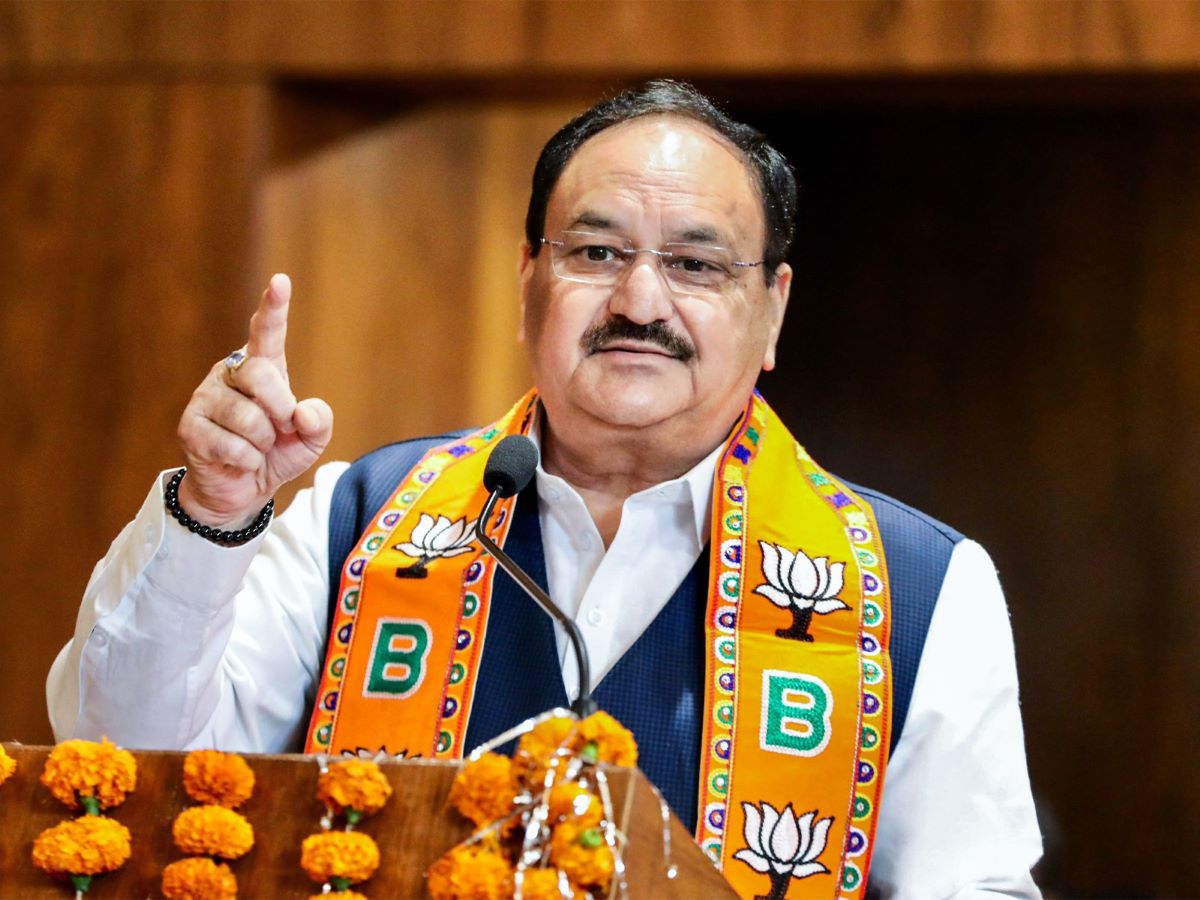
Union Health Minister Jagat Prakash Nadda is set to release the SUMAN Roadmap 2030 during the 16th Conference of the Central Council of Health and Family Welfare (CCHFW), marking a major step in India’s long-term healthcare strategy. The initiative, titled SUMAN Roadmap , aims to significantly improve maternal and newborn health outcomes across the country in line with Sustainable Development Goals.
The SUMAN Roadmap 2030 provides a comprehensive and evidence-based framework designed to reduce maternal mortality ratio (MMR) and neonatal mortality rate (NMR) while ensuring equitable access to quality healthcare services across all states and union territories.
SUMAN Roadmap 2030 focuses on reducing maternal and newborn deaths
The SUMAN Roadmap 2030 has been developed to address persistent gaps in maternal and newborn healthcare despite significant improvements in recent years. It introduces targeted, state-specific interventions, especially for high-focus states where health outcomes still require urgent improvement.
According to officials, the SUMAN Roadmap 2030 moves beyond a uniform national approach and instead focuses on customised solutions based on district-level health challenges and real-time data.
Life-cycle approach
A key feature of the SUMAN Roadmap 2030 is its life-cycle approach, covering pre-pregnancy, antenatal, intrapartum, and postnatal care. It also integrates maternal health with child health, adolescent health, nutrition, and family planning under the RMNCHA+N framework.
Also read : PM Modi Attends Seychelles Independence Day as Guest of Honour
The SUMAN Roadmap further strengthens high-risk pregnancy tracking systems, ensuring early identification and management of complications at every stage of pregnancy.
Targeted interventions across high-focus states
The SUMAN Roadmap 2030 will be implemented in 130 districts across 13 high-focus states including Uttar Pradesh, Bihar, Madhya Pradesh, Rajasthan, and West Bengal, among others.
It proposes a “SUMAN Package for Pregnant Women” that ensures timely registration, antenatal care, institutional delivery, and postnatal support. Under the SUMAN Roadmap 2030, ASHAs will conduct regular home visits to monitor high-risk pregnancies and provide nutrition counselling and birth preparedness guidance.
Strengthening healthcare infrastructure and emergency response
The SUMAN Roadmap 2030 also focuses on improving healthcare infrastructure through the establishment of Birth Waiting Homes, MCH Wings, HDUs, and ICUs in underserved regions. It aims to strengthen emergency transport systems and ensure timely access to obstetric care.
In addition, the SUMAN Roadmap proposes financial support for caregivers during the postnatal period and enhanced referral systems to reduce delays in critical medical situations.
Digital health, monitoring, and community participation
The SUMAN Roadmap introduces advanced digital tools, including AI-enabled labour rooms and improved monitoring through the JANANI portal. It also strengthens Maternal Death Surveillance and Response (MDSR) systems for better accountability.
Community participation is a key pillar of the SUMAN Roadmap 2030, with initiatives such as SUMAN Panchayats and Mothers’ Picnics aimed at promoting awareness, institutional deliveries, and child immunisation.
India’s goal for 2030 health targets
Through the SUMAN Roadmap , India aims to reduce maternal mortality to below 70 per 100,000 live births and significantly lower neonatal and infant mortality rates. The programme also targets zero preventable maternal and newborn deaths by 2030.
With its multi-dimensional approach, the SUMAN Roadmap 2030 is expected to become a cornerstone of India’s public health strategy over the next decade.